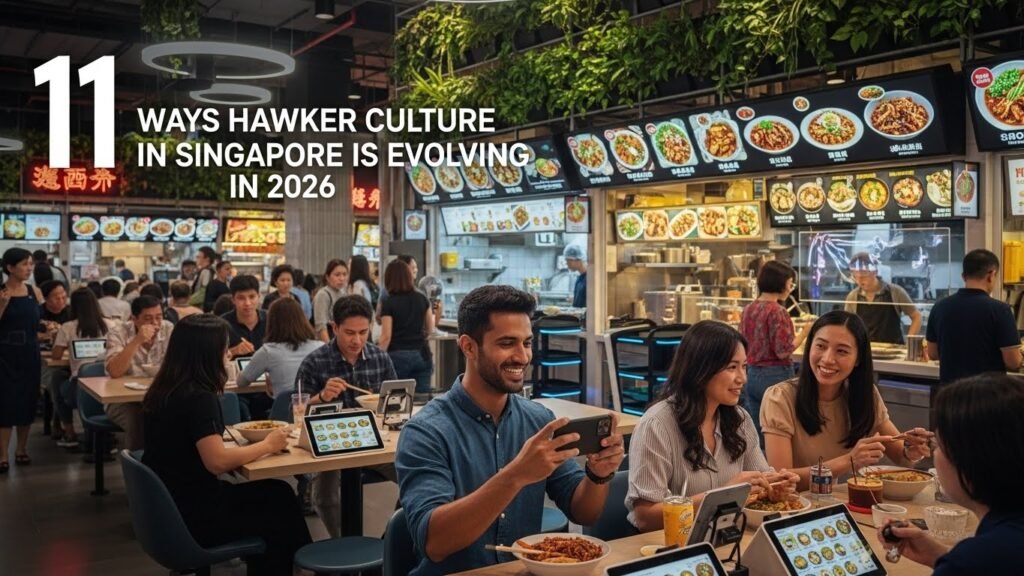
Hawker Culture in Singapore is the heart of the country’s food heritage, where affordable street food meets strong community traditions. Recognised by UNESCO as an Intangible Cultural Heritage, Singapore’s hawker centres bring together Chinese, Malay, Indian, and Peranakan cuisines under one roof, offering iconic dishes like Hainanese chicken rice, laksa, satay, roti prata, and char kway teow. These centres are more than food courts they are cultural spaces where generations connect, share stories, and preserve authentic recipes that define Singapore’s multicultural identity.
In 2026, hawker culture continues to play a vital role in Singapore’s economy and tourism, supporting thousands of local food vendors and small businesses. From historic centres like Maxwell Food Centre and Lau Pa Satto modern favourites like Old Airport Road and Newton Food Centre, hawker culture reflects the city’s blend of tradition and innovation. For locals, it’s everyday comfort food; for visitors, it’s the most authentic way to experience Singapore’s vibrant culinary landscape.
1. Digital Ordering and Smart Hawker Stalls
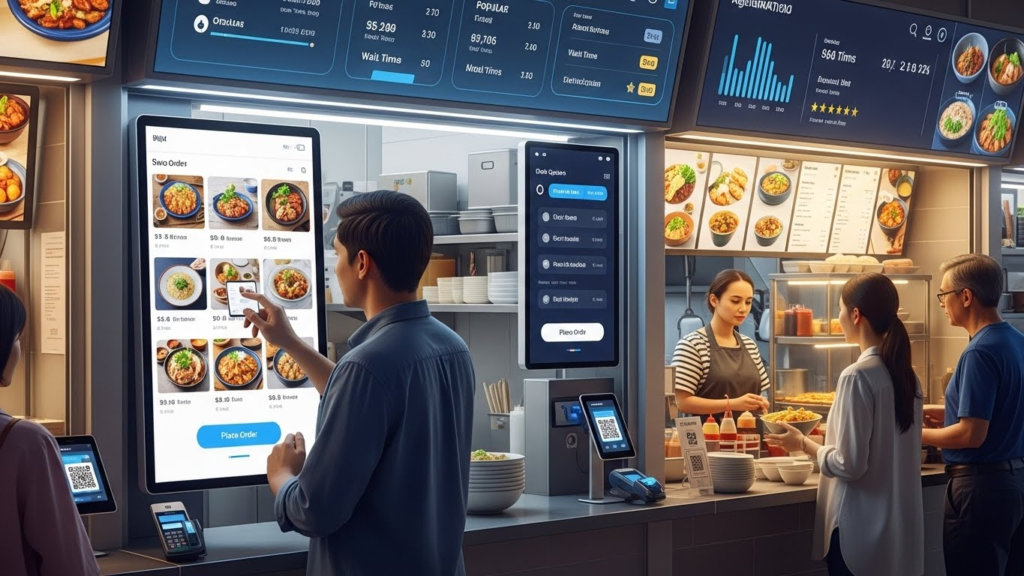
Digital ordering is transforming traditional hawker stalls into smart, tech enabled food businesses. Customers can now scan QR codes, browse digital menus, and place orders directly from their phones without waiting in line. This improves convenience, reduces crowding, and helps stall owners manage more orders efficiently.
Smart hawker stalls also use AI-powered systems to track inventory, analyze customer preferences, and optimize preparation time. This allows vendors to reduce food waste, speed up service, and deliver a more personalized dining experience. As a result, both customers and hawkers benefit from a faster, smarter, and more organized food ordering system. This shift aligns with the broader modernization of Singapore’s hawker ecosystem, as explained in our hawker centres UNESCO recognition guide
| Digital Feature | How It’s Used in 2026 | Benefit for Customers |
|---|---|---|
| QR Menu Ordering | Scan to view and order | Faster, contactless service |
| Cashless Payments | Pay via PayNow or cards | No need for cash |
| AI Queue Prediction | Shows waiting time | Better planning |
2. Younger Hawkers Are Taking Over
Younger hawkers are bringing fresh energy and modern ideas into traditional hawker culture. They are using social media, digital payments, and creative branding to attract younger customers and tourists. This shift is helping keep the hawker industry alive and more relevant in today’s fast-changing food scene.
At the same time, these young entrepreneurs are reinventing classic dishes with new flavors, healthier options, and unique presentations. Their passion and innovation are making hawker centres more exciting and competitive. As a result, the next generation is shaping the future of street food while preserving its heritage.
| Age Group | Trend in 2026 | Example |
|---|---|---|
| 50+ | Passing stalls to family or selling | Legacy noodle stalls |
| 30–45 | Modernizing menus | Fusion laksa stalls |
| 20–30 | Entering hawker industry | Instagram-based hawkers |
3. Fusion and Modern Hawker Dishes
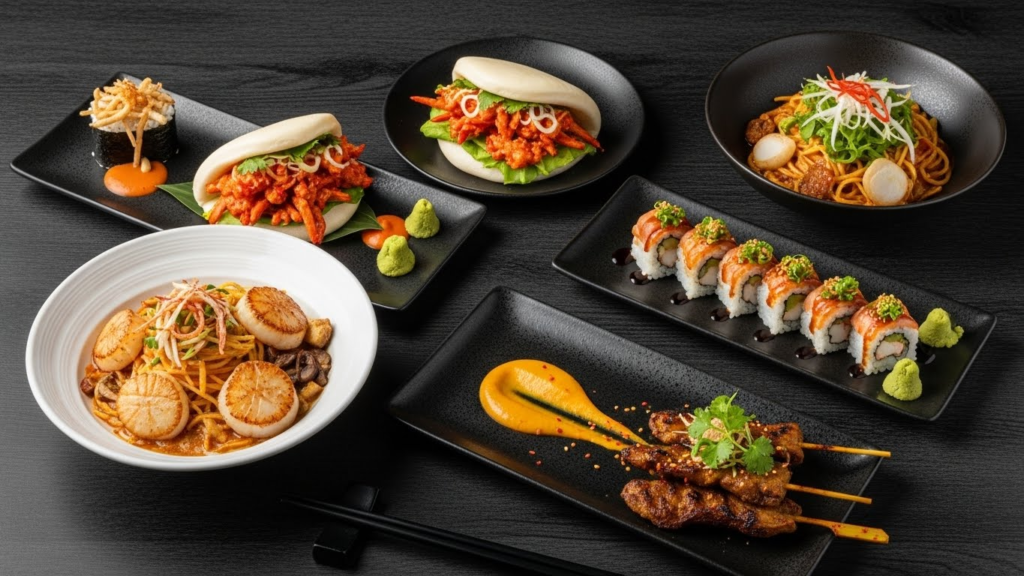
Fusion and modern hawker dishes combine traditional local flavours with global cooking styles to create something fresh and exciting. These dishes keep the soul of classic hawker food but add new ingredients, techniques, or presentation to match modern tastes. It’s a creative way to make familiar street food feel new again while still respecting its roots.
You’ll often see items like salted egg chicken burgers, laksa pasta, truffle wanton noodles, or nasi lemak sushi at modern hawker stalls. This trend attracts younger, food-curious audiences who enjoy both heritage recipes and innovative twists. It also helps hawker culture evolve and stay relevant in today’s competitive food scene.
| Dish Type | Traditional Version | 2026 Fusion Upgrade |
|---|---|---|
| Chicken Rice | Plain chicken + rice | Truffle chicken rice |
| Laksa | Coconut-based noodles | Seafood laksa pasta |
| Satay | Grilled meat skewers | Satay tacos |
4. Sustainability and Eco Friendly Practices
Sustainability means using materials and methods that protect the environment and reduce waste. It focuses on producing clothing in a way that saves energy, water, and natural resources. This helps brands build long term value while caring for the planet.
Eco-friendly practices include using organic fabrics, recycling materials, and reducing harmful chemicals in production. Manufacturers also adopt ethical labour standards and cleaner technologies to lower their carbon footprint. These steps create safer products for customers and a healthier future for the fashion industry. For a broader look at how Singapore’s food tastes and quality differ across regions, explore why Singapore food tastes different
| Sustainability Initiative | How It Works | Impact |
|---|---|---|
| Compostable packaging | Replaces plastic | Reduces waste |
| Food waste recycling | Excess food is processed | Supports green economy |
| Local sourcing | Uses SG-grown produce | Improves freshness |
5. Hawker Centres as Tourist Experience Zones
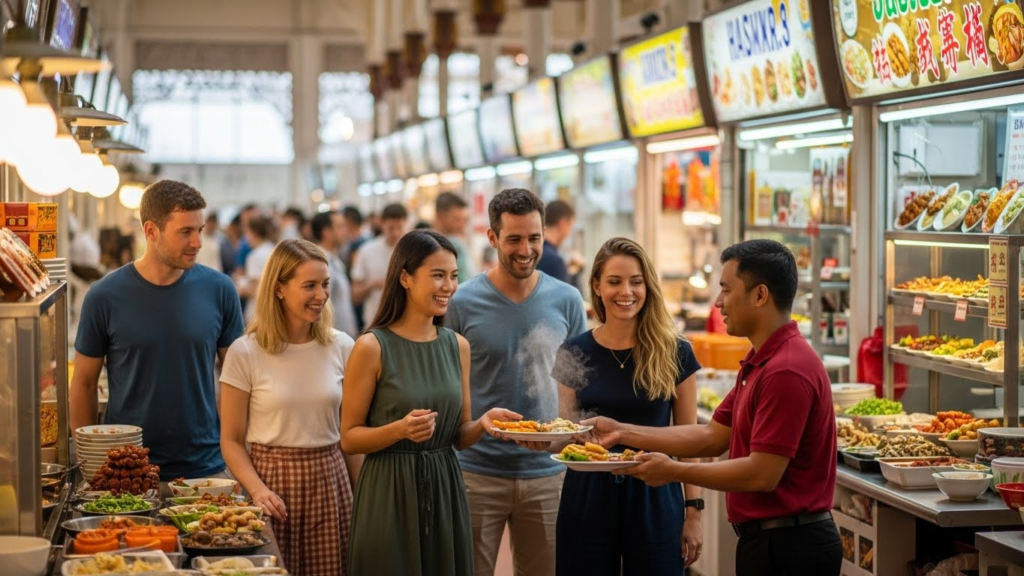
Hawker centres in Singapore are more than just food courts. They are vibrant cultural spaces where tourists can experience authentic local life, flavours, and traditions in one place. Visitors enjoy affordable meals while exploring Singapore’s diverse heritage through Chinese, Malay, Indian, and Peranakan dishes.
For many travellers, hawker centres become a highlight of their trip. They offer a lively atmosphere, social interaction, and a chance to taste iconic street food like Hainanese chicken rice, laksa, and satay. This makes them unique tourist experience zones that combine food, culture, and community in a single destination.
| Feature | Purpose | Tourist Benefit |
|---|---|---|
| Multi-language menus | Help foreigners order | Easier communication |
| Guided hawker tours | Cultural storytelling | Better food discovery |
| Heritage stalls | Preserve old recipes | Authentic taste |
6. AI and Automation in Food Preparation
AI and automation are transforming how food is prepared by improving speed, accuracy, and hygiene in kitchens. Smart machines can chop, cook, and even plate food with minimal human effort, ensuring consistent quality every time. This helps restaurants and food manufacturers reduce errors and maintain food safety standards.
These technologies also support better decision making by analyzing recipes, ingredients, and customer preferences. AI powered systems can predict demand, manage inventory, and minimize food waste. As a result, food preparation becomes more efficient, cost-effective, and scalable for modern food businesses.
| Automation Tool | Used For | Benefit |
|---|---|---|
| Smart Wok Machines | Stir-frying | Consistent taste |
| Automated Rice Cookers | Chicken rice | Faster prep |
| AI Heat Sensors | Grilling | Better quality |
7. Rise of Premium Hawker Food
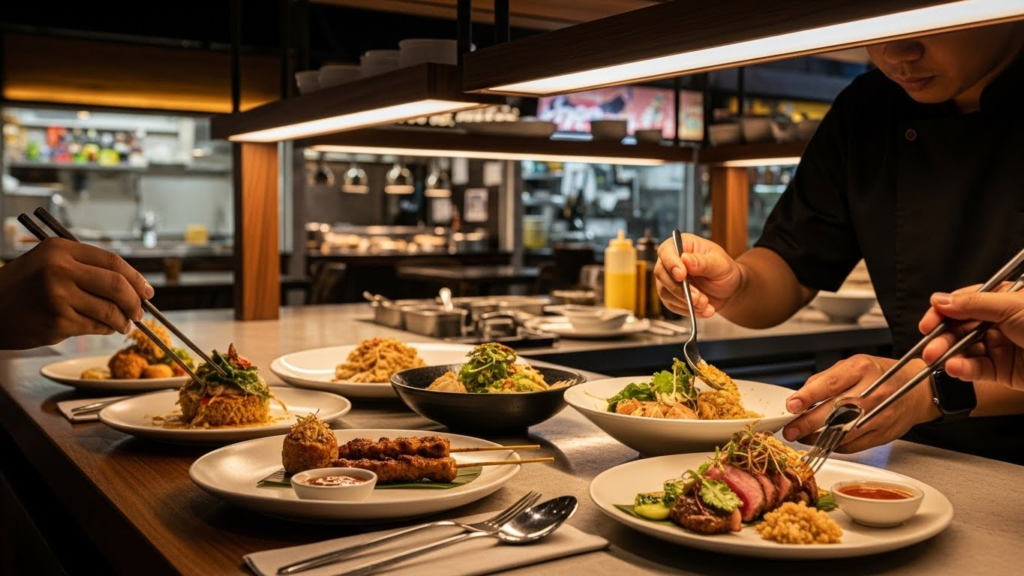
Premium hawker food in Singapore reflects how traditional street dishes are evolving into gourmet-level experiences while still keeping their cultural roots alive. Today, many hawkers are upgrading ingredients, presentation, and hygiene standards to attract modern diners who are willing to pay more for higher quality. This shift is helping preserve hawker culture by making it appealing to younger generations and food enthusiasts.
At the same time, premium hawker stalls are blending heritage recipes with innovation, offering dishes like truffle chicken rice, lobster laksa, and specialty fusion noodles. This trend shows how hawker centres are no longer just about affordability, but also about craftsmanship, branding, and unique dining value. As a result, hawker food is gaining global recognition as both a cultural symbol and a refined culinary experience. If you’re exploring more family-friendly or budget-friendly food experiences in Singapore, our guides on affordable food in Singapore
| Premium Concept | Description | Price Trend |
|---|---|---|
| Michelin-inspired stalls | Award-winning recipes | Higher |
| Gourmet ingredients | Lobster laksa, wagyu satay | Premium |
| Branded hawker stalls | Modern designs | Upscale |
8. Expansion into New Residential Areas
As cities grow, youth soccer clubs are expanding into new residential areas to reach more families and players. This allows clubs to offer training programs closer to where children live, reducing travel time and increasing participation. It also helps clubs build a stronger local presence and attract new talent from developing communities.
By entering new neighbourhoods, clubs can create additional training centres, hire local coaches, and strengthen community engagement. This expansion supports the long-term growth of the club while making soccer more accessible for young players. It ensures that more children have the opportunity to learn, play, and develop their skills in a structured environment.
| Location Type | Trend in 2026 | Example |
|---|---|---|
| Central districts | Revamped and upgraded | Maxwell Hawker Centre |
| Suburban areas | New centres opening | Tengah Hawker Hub |
| Private estates | Mini hawker markets | Condo food courts |
9. Government Support and Modernization Programs
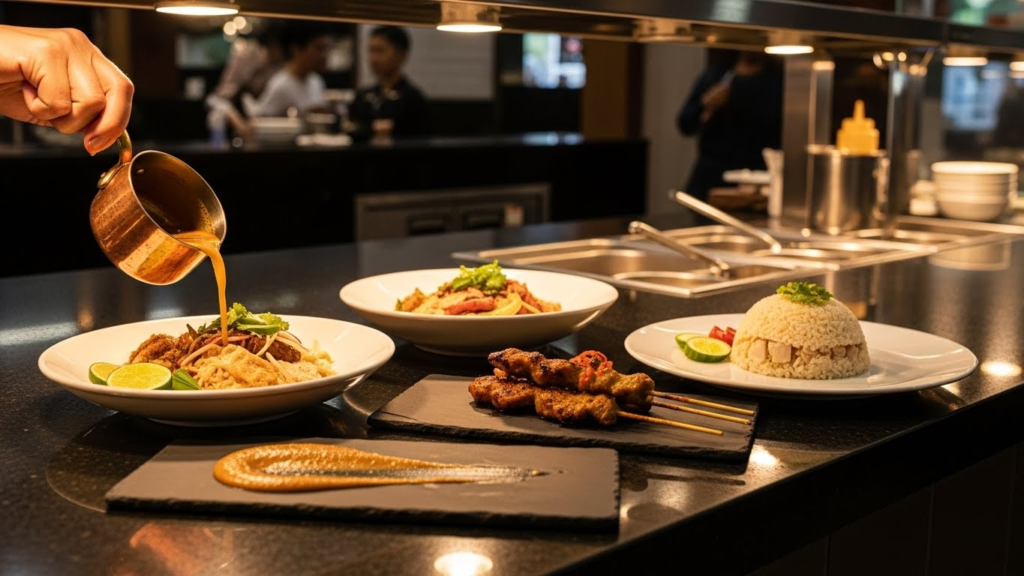
The Singapore government actively supports hawker centres through grants, training, and infrastructure upgrades to preserve this vital part of the nation’s food heritage. Programs like the Hawker Productivity Grant and the National Environment Agency’s modernization initiatives help stall owners adopt digital payments, improve hygiene, and upgrade equipment. This ensures that hawker culture remains sustainable, efficient, and aligned with modern consumer expectations.
At the same time, modernization programs focus on attracting younger hawkers and keeping traditional recipes alive for future generations. The government offers mentorship schemes, subsidized rental for new hawkers, and culinary training to encourage innovation while maintaining authenticity. These efforts balance heritage preservation with technological advancement, allowing Singapore’s hawker ecosystem to evolve without losing its cultural identity.
| Program | Focus | Result |
|---|---|---|
| Hawker Succession Scheme | Encourage youth | More young stall owners |
| Digitalization Grants | Smart payment adoption | Better efficiency |
| Heritage Food Protection | Safeguard old recipes | Cultural continuity |
10. Hawker Culture Promoted Globally
Singapore’s hawker culture has gained strong international recognition, especially after being listed as a UNESCO Intangible Cultural Heritage. This global spotlight has made hawker centres a symbol of authentic Asian street food, attracting tourists, food bloggers, and culinary researchers from around the world. As a result, Singapore is now seen as a leading destination for affordable and diverse local cuisine.
Beyond tourism, hawker culture is being promoted through international food festivals, documentaries, and global media coverage. Many countries are adopting similar open-air food court models inspired by Singapore’s success. This worldwide promotion not only preserves traditional recipes but also strengthens Singapore’s cultural identity on a global stage.
| Platform | How It Promotes Hawker Culture | Reach |
|---|---|---|
| YouTube Food Vlogs | Street food documentaries | Global |
| TikTok Creators | Viral hawker food videos | Millions |
| International Events | Hawker food festivals | Worldwide |
11. Health Focused and Diet Friendly Menus
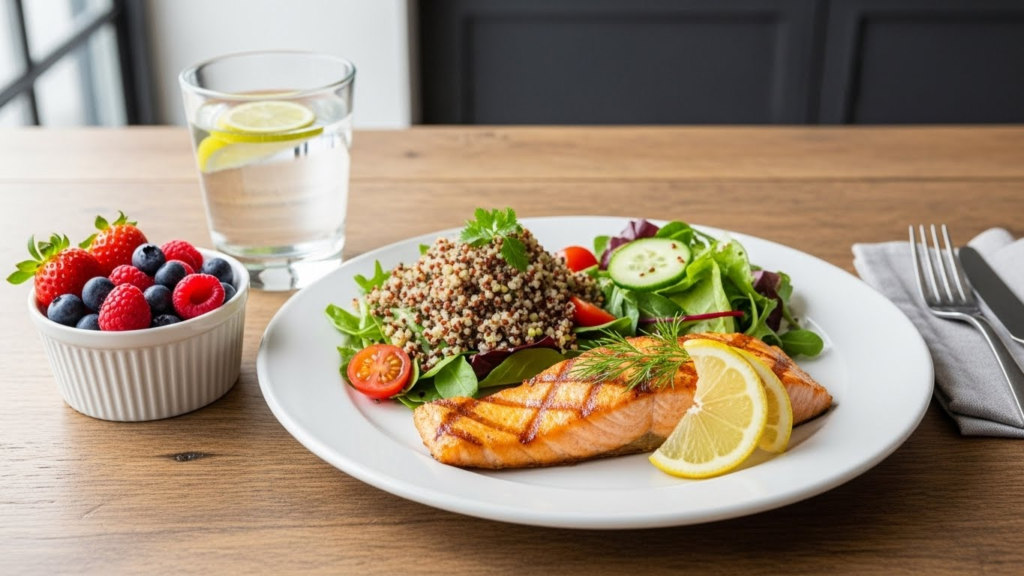
Health focused and diet friendly menus are designed to support balanced nutrition, portion control, and specific dietary needs like low-carb, high-protein, diabetic-friendly, or weight-loss meals. These menus prioritise fresh ingredients, lean proteins, whole grains, and reduced sugar or unhealthy fats to promote long-term well-being. They help customers make smarter food choices without sacrificing taste or variety.
In places like Singapore hawker centres or modern food courts, diet-friendly menus are evolving to include calorie-labelled meals, plant-based options, and customised bowls for health-conscious diners. This trend reflects growing awareness about lifestyle diseases, fitness goals, and clean eating habits. It ensures that everyone, from families to athletes, can enjoy meals that align with their personal health goals.
| Health Trend | How Hawkers Adapt | Benefit |
|---|---|---|
| Vegetarian demand | Plant-based stalls | More variety |
| Low sugar diets | Reduced-sugar drinks | Healthier choices |
| Nutrition transparency | Calorie counts | Better decisions |
Summary of Hawker Culture Evolution in 2026
| Evolution Area | What’s Changing | Why It Matters |
|---|---|---|
| Technology | Digital menus & automation | Faster, modern experience |
| Youth Participation | Younger hawkers joining | Keeps culture alive |
| Food Innovation | Fusion and premium dishes | Expands culinary diversity |
| Sustainability | Eco-friendly operations | Supports green goals |
| Tourism | Cultural and global promotion | Increases international appeal |
Conclusion
Hawker culture in Singapore is not fading, it is transforming into a more modern, tech-enabled, and globally respected food ecosystem. From digital payments and AI-powered ordering to government-supported hawker incubators and sustainability initiatives, the hawker scene is evolving to match the lifestyle and expectations of a new generation. Yet, at its core, it still preserves what makes it truly special: affordable, multicultural food prepared with heritage and pride.
As Singapore moves deeper into 2026, hawker centres will continue to play a vital role in connecting communities, supporting small businesses, and promoting culinary traditions that define the nation’s identity. The future of hawker culture lies in balancing innovation with authenticity, ensuring that while systems become smarter and more efficient, the heart and soul of Singapore’s street food heritage remain untouched.
FAQs
1.What is Singapore’s hawker culture?
It is a traditional system of street food stalls and community dining that represents Singapore’s culinary heritage.
2.Why is hawker culture changing in 2026?
Because of digital transformation, younger hawkers entering the industry, and sustainability initiatives.
3.Are hawker centres becoming modern and digital?
Yes, many stalls now use QR ordering, cashless payments, and smart cooking equipment.
4.Is hawker food still affordable?
Yes, but premium options are also emerging for customers seeking gourmet experiences.
5.How is the government supporting hawker culture?
Through grants, training programs, and heritage preservation initiatives.