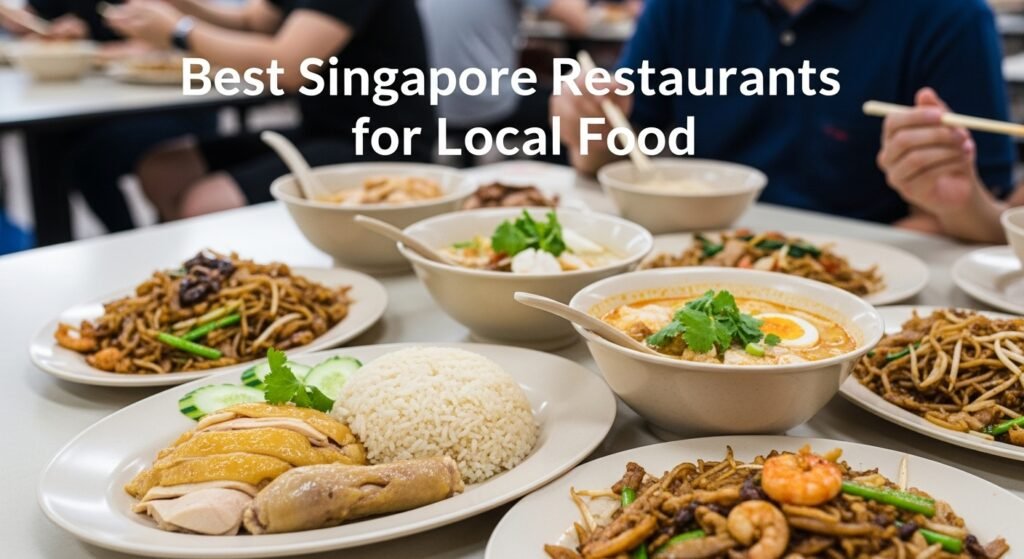
Singapore’s culinary scene is a vibrant reflection of its multicultural heritage, blending Chinese, Malay, Indian, and Peranakan influences into an unforgettable gastronomic experience. For food lovers seeking authentic local flavours, the city offers an extensive array of restaurants and hawker centers where traditional recipes are celebrated and elevated. From the fiery laksa of Katong to the savoury Hainanese chicken rice of Tiong Bahru, each establishment brings a unique taste of Singapore’s rich food culture. Dining at these local restaurants not only satisfies your appetite but also provides a window into the city’s history, with recipes and cooking techniques passed down through generations.
For travellers and locals alike, identifying the best Singapore restaurants for local food involves more than just popularity—it’s about the quality, authenticity, and passion behind every dish. Many top spots combine traditional flavours with modern twists, offering everything from satay and chilli crab to kaya toast and teh tarik. Whether it’s a bustling hawker stall, a family-run eatery, or a contemporary restaurant, these places capture the essence of Singapore’s culinary identity. Exploring these restaurants allows visitors to embark on a delicious journey, tasting the city’s heritage one bite at a time.
What Makes Singapore Restaurants for Local Food Special?
Singapore restaurants stand out because they preserve traditional flavors while innovating to meet modern tastes. Tourists and food enthusiasts are drawn to:
- Authentic dishes prepared with fresh, locally-sourced ingredients
- A mix of hawker-style affordability and fine dining experiences
- Cultural diversity reflected in Chinese, Malay, Indian, and Peranakan cuisines
- Unique experiences like live cooking demonstrations or open kitchens
Understanding what makes a restaurant special helps tourists choose the right dining spot to taste genuine Singaporean food.
How to Identify the Best Singapore Restaurants for Local Food
When searching for top eateries, tourists should focus on:
- Reviews and Ratings – Look for consistent 4+ star reviews and positive feedback on food quality.
- Local Patronage – Restaurants frequented by locals usually offer authentic flavors.
- Specialty Dishes – Choose restaurants famous for one or two signature dishes.
- Hygiene and Ambience – Clean, well-maintained dining spaces improve the overall experience.
- Affordability vs. Fine Dining – Determine if you want street-food style authenticity or a refined culinary experience.
By following these steps, visitors can enjoy real Singaporean cuisine without getting lost in tourist traps.
Top Singapore Restaurants for Local Food
Here’s a curated list of restaurants where tourists consistently enjoy authentic dishes. Each location includes specialties and what makes it noteworthy.
Tian Tian Hainanese Chicken Rice

Why it’s famous: Tian Tian serves Singapore’s most celebrated chicken rice, attracting locals, tourists, and even celebrity chefs.
What to order:
- Hainanese Chicken Rice (poached or roasted)
- Ginger sauce and dark soy sauce
- Side of steamed vegetables
Tourist tips:
- Arrive early to avoid queues
- Pair with Chinese tea for a traditional experience
328 Katong Laksa
Why it’s famous: Known for its creamy, coconut-based laksa, 328 Katong Laksa is a must-visit for spice lovers.
What to order:
- Laksa with prawns and fishcake
- Optional cockles for extra flavor
Tourist tips:
- Ask for less spicy if you’re sensitive
- Eat with a spoon and fork like locals
Jumbo Seafood
Why it’s famous: Jumbo is iconic for chilli crab and black pepper crab, perfect for a hands-on seafood experience.
What to order:
- Chilli crab (medium spice recommended for tourists)
- Black pepper crab for a peppery kick
- Mantou buns to soak up the sauce
Tourist tips:
- Visit in groups for easy sharing
- Make reservations during weekends
Hill Street Char Kway Teow

Why it’s famous: Offers smoky stir-fried noodles that deliver authentic “wok hei” flavor.
What to order:
- Char Kway Teow with cockles
- Fried eggs as a side
Tourist tips:
- Go during lunchtime for the freshest dishes
- Limited seating, so expect a quick turnover
Lau Pa Sat Satay Street
Why it’s famous: Lau Pa Sat transforms into a night-time satay street, serving freshly grilled meat skewers.
What to order:
- Chicken, beef, and mutton satay
- Peanut sauce and rice cakes
- Refreshing sugarcane juice
Tourist tips:
- Evening visits are best for atmosphere
- Bring cash for smaller stalls
The Roti Prata House
Why it’s famous: This spot serves crispy, flaky roti prata, a favorite breakfast and late-night snack for tourists and locals.
What to order:
- Plain or egg prata
- Cheese or banana prata for a sweet twist
- Curry chicken as a dipping sauce
Tourist tips:
- Watch chefs flip the dough — part of the experience
- Go early for breakfast or late-night cravings
Ya Kun Kaya Toast

Why it’s famous: Offers the classic kaya toast breakfast experience, combining toasted bread, kaya jam, soft-boiled eggs, and kopi.
What to order:
- Kaya toast with butter
- Soft-boiled eggs
- Traditional kopi (local coffee)
Tourist tips:
- Visit any of their outlets near MRT stations for convenience
- Try different coffee styles like kopi o or kopi c
Song Fa Bak Kut Teh
Why it’s famous: Famous for herbal pork rib soup, offering a hearty, traditional Chinese dish.
What to order:
- Bak Kut Teh with tender pork ribs
- Fried dough fritters (you tiao) for dipping
- Rice or noodles as a side
Tourist tips:
- Go for lunch for a bustling local vibe
- Best enjoyed with light soy sauce and white pepper
How to Maximise Your Singapore Dining Experience

Step 1: Plan Your Meals by Neighborhood
- Chinatown: Chinese classics, carrot cake, bak kut teh
- Little India: Roti prata, biryani, Indian sweets
- Geylang & East Coast: Seafood, satay, chilli crab
- Hawker Centres: Affordable, authentic dishes
Step 2: Mix Hawker Centres with Fine Dining
Try a mix of street food and higher-end restaurants. Hawker centres are authentic, while fine dining offers modern interpretations of traditional dishes.
Step 3: Be Adventurous
Singapore food culture is diverse. Tourists are encouraged to try unusual dishes like:
- Fish head curry
- Pig’s organ soup
- Nasi lemak variations
Step 4: Timing Matters
- Breakfast: Kaya toast and kopi
- Lunch: Hainanese chicken rice or laksa
- Dinner: Chilli crab or satay
Tips for Tourists Visiting Singapore Restaurants

1. Arrive Early
Popular restaurants and hawker stalls in Singapore can get very crowded, especially during lunch and dinner hours. Arriving early ensures you get a table without waiting in long queues and lets you enjoy a more relaxed dining experience.
2. Bring Cash for Hawker Centres
Many hawker centres and small eateries prefer cash payments. While digital payments are becoming common, having some cash handy ensures you can pay quickly and avoid any inconvenience.
3. Ask for Less Spice if Needed
Singaporean cuisine can be quite spicy. If you’re not used to strong flavors, don’t hesitate to request milder versions of dishes. Most restaurants are happy to adjust spice levels according to your taste.
4. Check Opening Hours
Some local favourites close early or have specific opening hours. Checking the schedule in advance helps avoid disappointment and ensures you don’t miss must-try dishes.
5. Observe Locals
Watching how locals eat, order, and enjoy food gives you an authentic experience. It can help you choose popular dishes and learn local customs like queuing etiquette and shared seating practices.
Are Singapore Restaurants Safe for Tourists?
Singapore is widely regarded as one of the safest cities in the world, and this extends to its food and dining establishments. Restaurants, hawker centers, and cafes follow strict hygiene and food safety regulations enforced by the Singapore Food Agency (SFA). These standards ensure that the food served is prepared, stored, and handled in a way that minimizes the risk of contamination. From proper refrigeration to regular health inspections, both small local eateries and high-end restaurants maintain rigorous cleanliness protocols, making dining in Singapore a safe and worry-free experience for tourists.
Beyond hygiene, Singapore’s restaurants also prioritize customer safety in terms of service and environment. Most establishments are well-lit, staffed by trained personnel, and equipped with emergency measures to ensure visitor well-being. For tourists, this means that enjoying local specialties like laksa, Hainanese chicken rice, or chilli crab can be done with confidence. Additionally, many restaurants provide multilingual menus and clear labelling of ingredients, which helps visitors avoid allergens or foods they may not tolerate. Overall, Singapore offers a secure and reliable dining experience, allowing travellers to fully enjoy its rich culinary culture without concern.
Price Range of Singapore Restaurants for Local Food
| Category | Average Price (SGD) | What to Expect |
|---|---|---|
| Hawker Meals | 3–7 | Budget-friendly, authentic dishes served fast |
| Casual Restaurants | 10–25 | Comfortable dining with a wider menu |
| Seafood / Fine Dining | 35–80 per person | Premium seafood like chilli crab, better ambience |
| Drinks | 1.50–5 | Kopi, teh tarik, juices, soft drinks |
Drinks to Pair with Local Dishes
Pair your meals with:
- Kopi — local coffee
- Teh Tarik — pulled tea
- Sugarcane juice — refreshing
- Milo Dinosaur — chocolate malt delight
- Fresh coconut water — tropical refresher
These drinks enhance the overall dining experience.
Sample 1-Day Food Itinerary for Tourists
- Breakfast: Kaya toast + kopi (Ya Kun)
- Lunch: Hainanese chicken rice (Tian Tian) + Char Kway Teow
- Snack: Satay at Lau Pa Sat + sugarcane juice
- Dinner: Laksa (328 Katong) or Chilli Crab (Jumbo Seafood)
This itinerary ensures tourists experience a variety of flavours and iconic dishes.
Conclusion
Exploring the best Singapore restaurants for local food reveals a culinary landscape that is as diverse as it is delicious. While many tourists flock to the well-known hawker centers, the city’s hidden gems often offer an even more authentic taste of traditional dishes. Each restaurant, whether humble or upscale, tells a story through its flavors, from family recipes perfected over generations to innovative interpretations of classic meals. By seeking out these establishments, diners gain more than just a meal—they experience the culture, history, and heart of Singapore through every bite.
Ultimately, whether you are a local foodie or a first-time visitor, Singapore’s restaurants provide an unparalleled opportunity to indulge in the nation’s rich food heritage. From spicy laksa to succulent chilli crab, every dish offers a taste of the city’s multicultural essence. Prioritizing quality, authenticity, and passion in your culinary choices ensures that every meal is memorable. By venturing beyond the familiar and discovering both popular and lesser-known eateries, you can truly immerse yourself in the flavors that define Singapore.
FAQs
1. What are the best Singapore restaurants for authentic local food?
Some of the best places to enjoy authentic local food in Singapore include hawker centres like Lau Pa Sat, Maxwell Food Centre, and Old Airport Road Food Centre. You can also find great Singaporean dishes at restaurants such as Candlenut, Violet Oon Singapore, and Labyrinth, which elevate traditional flavours with a modern twist.
2. What local dishes should I try in Singapore restaurants?
Must-try dishes include Hainanese chicken rice, laksa, satay, chili crab, char kway teow, roti prata, and bak kut teh. These dishes are served in both casual hawker stalls and high-end restaurants across the city.
3. Are Singapore restaurants safe and clean for tourists?
Yes, Singapore maintains strict food safety and hygiene standards. Whether you’re visiting a hawker stall or a restaurant, establishments must follow rigorous health regulations, making it very safe for tourists to enjoy local food.
4. Where can tourists find affordable local food in Singapore?
Hawker centres are the best places for affordable yet delicious local food. Popular options include Tiong Bahru Market, Chinatown Complex, and Newton Food Centre, where meals typically cost between SGD 4–10.
5. Are there halal options for local Singapore food?
Yes, many hawker centres and restaurants offer halal-certified local dishes. Locations like Kampong Glam, Geylang Serai Market, and certain stalls in Lau Pa Sat are great places to explore halal Singapore cuisine.
6. Do Singapore restaurants offer vegetarian or vegan local dishes?
Absolutely! Many restaurants offer plant-based versions of local favourites. You can find vegetarian laksa, vegan nasi lemak, and meat-free satay in popular spots like Whole Earth, Original Sin, and various hawker centres with veggie stalls.
7. Do I need to make reservations for popular Singapore restaurants?
For top restaurants like Burnt Ends, Candlenut, and Labyrinth, reservations are highly recommended. However, hawker centres generally don’t require reservations—just arrive early to beat the queues.
8. What is the best time to visit local food restaurants in Singapore?
Lunch and dinner hours get busy, especially at famous hawker stalls. Arriving early—around 11am for lunch or 5:30pm for dinner—helps avoid long waits.
9. Do Singapore restaurants accept cashless payments?
Most restaurants accept cards and digital payments, but some hawker stalls still prefer cash. It’s useful to carry small notes or coins when visiting hawker centres.
10. How can I find the best local food near my location in Singapore?
Use apps like Google Maps, HungryGoWhere, or Burpple to discover top-rated local eateries nearby. Checking reviews and photos helps you choose the best dishes and s