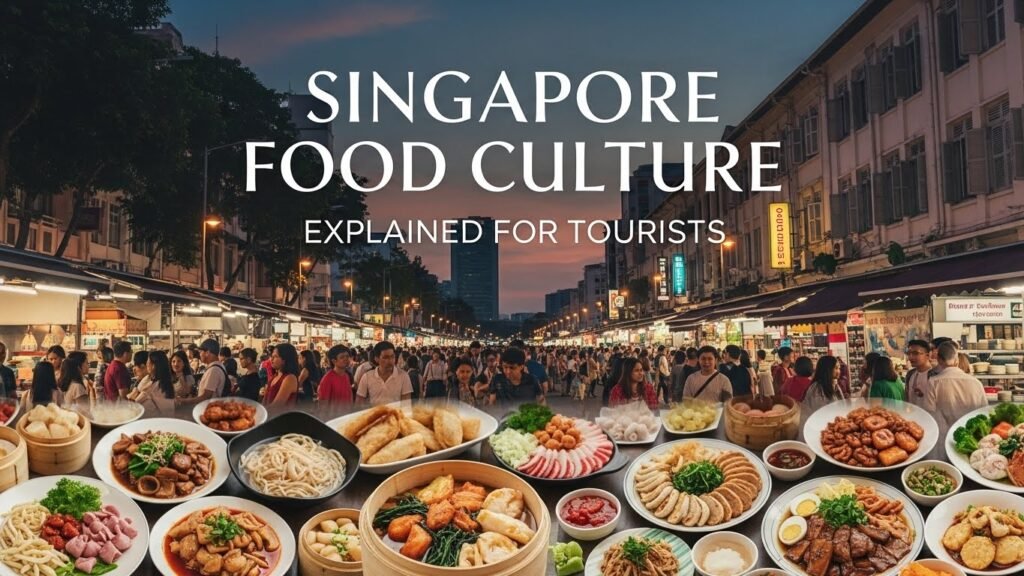
Singapore food culture is a living reflection of the nation’s multicultural identity, shaped by Chinese, Malay, Indian, Peranakan, and Western influences. From world-famous hawker centres to Michelin-recognised street food, Singapore’s cuisine is built on diversity, balance, and accessibility. Dishes like Hainanese chicken rice, laksa, chilli crab, nasi lemak, and roti prata are not just meals they represent generations of culinary heritage passed down through families and communities. This blend of cultures has created one of the most globally admired food scenes, where traditional recipes coexist with modern dining innovation.
What makes Singapore food culture unique is its everyday authenticity. Locals and tourists eat side by side in hawker centres such as Maxwell, Lau Pa Sat, and Chinatown Complex, where affordable food meets exceptional quality. Government preservation of hawker culture, recognised by UNESCO as Intangible Cultural Heritage, ensures that traditional flavours remain part of daily life. Whether it is street food, fine dining, or home-style cooking, Singapore’s food culture is defined by flavour, efficiency, and cultural harmony making it one of the most influential culinary identities in Asia and the world.
What Is Singapores Food Culture
Singapore’s food culture is shaped by its multicultural roots. The nation is home to Chinese, Malay, Indian, and Peranakan communities, each contributing ingredients, cooking styles, and traditions. Over generations, these influences blended into a shared culinary identity that feels both global and deeply local.
At its core, Singapore food culture is:
- Diverse: Chinese stir-fries, Malay grills, Indian curries, and hybrid dishes all coexist.
- Accessible: High-quality meals are available at affordable prices in hawker centres across the city.
- Community-driven: Food is social. Locals meet over meals, queue together, and share tables.
- Quality-focused: Cleanliness, safety, and taste are taken seriously, even in street food.
Eating in Singapore is not reserved for special occasions. It is part of everyday life, from breakfast kopi at neighbourhood coffee shops to late-night suppers at hawker centres. For travellers who want a deeper understanding, exploring hidden food spots in Singapore often reveals how locals truly eat beyond tourist hotspots.
Why Singapore Is Famous for Its Food

Singapore is internationally known for turning street food into a national treasure. The country’s hawker culture has been recognised by UNESCO as an Intangible Cultural Heritage, highlighting how food stalls preserve tradition while serving modern urban life.
Several factors explain why Singapore’s food culture stands out globally:
- Hawker Centres as Cultural Hubs
These open-air food complexes bring dozens or even hundreds of specialised stalls into one space. Each stall typically focuses on a single dish perfected over decades. Visitors can sample multiple cuisines in one meal. - World-Class Street Food
Singapore is one of the few places where hawker stalls have received Michelin recognition. This proves that excellent food does not require luxury dining rooms. - Safety and Cleanliness
Strict food hygiene standards mean tourists can eat confidently, even at street stalls. - A City Built Around Eating
Food is everywhere: neighbourhoods, transport hubs, shopping centres, business districts, and night markets. Eating is woven into daily routines.
For travellers, this reputation means you do not need to chase expensive restaurants to enjoy unforgettable meals. Some of the country’s best food is found in plastic-chair hawker stalls serving long queues of locals.
The Heart of Local Eating

To understand Singapore food culture, you must understand hawker centres. These are not simply food courts they are community spaces where culinary tradition meets everyday life.
What Are Hawker Centres
Hawker centres are government-regulated complexes housing independent food vendors. Each stall specialises in a small menu, often just one or two dishes, refined over years. This focus allows hawkers to maintain consistent quality.
How Hawker Centres Work
For tourists, the process is simple:
- Find a Table First
Seating is shared. During busy hours, locals may “reserve” a seat using tissue packets or cards. - Order at Individual Stalls
There is no central counter. You queue at each stall you want to try. - Self-Service Culture
Collect your food when called. After eating, return trays to designated stations. - Affordable Prices
Meals typically cost far less than restaurant dining, making it possible to try many dishes in one visit.
Famous Hawker Centres to Visit
- Maxwell Food Centre – Known for chicken rice and traditional Chinese dishes.
- Chinatown Complex – One of the largest centres, home to Michelin-recognised stalls.
- Lau Pa Sat – Famous for satay at night and a lively atmosphere.
- Tiong Bahru Market – A mix of classic local food and trendy cafés.
For tourists, hawker centres are the most authentic introduction to Singapore’s food culture. If you want a deeper breakdown of stall recommendations, best places for steamboat in Singapore and curated food lists can help you plan your visit efficiently.
Must Try Singapore Dishes for First Time Visitors
| Dish Name | Cultural Origin | Description | Where to Try |
|---|---|---|---|
| Hainanese Chicken Rice | Chinese | Poached chicken with fragrant rice, chilli, ginger | Hawker centres |
| Chilli Crab | Local fusion | Sweet, spicy seafood dish | Seafood restaurants, hawkers |
| Laksa | Peranakan | Coconut-based noodle soup | Katong, hawker centres |
| Char Kway Teow | Chinese | Stir-fried rice noodles with egg and seafood | Hawker centres |
| Nasi Lemak | Malay | Coconut rice with sambal and sides | Malay stalls |
| Satay | Malay/Indonesian | Grilled meat skewers with peanut sauce | Night markets, Lau Pa Sat |
Singapore’s culinary identity is defined by a handful of iconic dishes. These are not just popular foods they reflect the country’s history and multicultural heritage.
Hainanese Chicken Rice
Often called Singapore’s national dish, this simple combination of poached chicken, fragrant rice, chilli sauce, and ginger embodies the philosophy of balance and refinement.
Chilli Crab
A bold, saucy seafood dish combining sweet, spicy, and savoury flavours. Eating it is a hands-on experience, often shared among friends or family.
Laksa
A rich, coconut-based noodle soup influenced by Peranakan cuisine. Variations range from spicy to creamy, often topped with prawns, fish cake, and herbs.
Char Kway Teow
Flat rice noodles stir-fried with eggs, seafood, Chinese sausage, and bean sprouts. This smoky dish showcases Chinese cooking techniques adapted to local tastes.
Nasi Lemak
A Malay staple of coconut rice served with sambal, anchovies, peanuts, cucumber, and egg. It reflects the Malay influence in Singapore’s culinary heritage.
Satay
Skewered, grilled meat served with peanut sauce. Satay stalls, especially in evening markets, are social gathering points.
Trying these dishes offers more than taste it reveals how different cultures shaped Singapore’s identity.
How Culture Shapes the Way Singaporeans Eat

Food in Singapore is inseparable from social life. Meals are rarely solitary events; they are moments of connection.
Eating as a Social Ritual
Locals meet over breakfast, lunch, and supper. Hawker centres function as neighbourhood living rooms where office workers, families, and elderly residents gather. Sharing tables with strangers is common, reinforcing a sense of community.
Queue Culture
Singaporeans are willing to queue for good food. Long lines are often a sign of quality rather than inconvenience. For tourists, following the queues is one of the best ways to discover outstanding dishes.
Food as Identity
Many Singaporeans proudly identify with their favourite hawker stalls or neighbourhood dishes. Food conversations are common, and recommendations are exchanged as social currency.
Late-Night Dining
Supper culture is part of city life. Many hawker centres and food streets remain busy well into the night, as highlighted in the ultimate guide to late-night food in Singapore.
Food Neighbourhoods Tourists Should Explore

Singapore’s neighbourhoods offer distinct food experiences shaped by history and culture.
Chinatown
Chinese heritage dominates here, with dishes such as roast meats, dumplings, herbal soups, and traditional desserts. It is ideal for exploring classic Chinese-influenced Singaporean food.
Little India
Vibrant with spice and colour, this area is known for vegetarian thalis, curries, biryani, and sweet treats. It reflects Indian culinary traditions adapted to local tastes.
Kampong Glam
The heart of Malay and Muslim culture. Expect nasi padang, satay, murtabak, and Middle Eastern-inspired dishes.
Tiong Bahru
A blend of old and new, where traditional hawker food coexists with modern cafés. This area offers insight into how Singapore’s food culture evolves.
Exploring these neighbourhoods allows tourists to experience Singapore’s diversity plate by plate.
Dining Etiquette for Tourists in Singapore
| Practice | What to Do | Why It Matters |
|---|---|---|
| Sharing tables | Sit if space is available | Communal dining culture |
| Returning trays | Clear your table | Cleanliness & civic responsibility |
| Queuing | Wait your turn | Respect for order |
| Ordering | Point at menu if unsure | Normal for tourists |
| Payment | Carry small cash or use e-payments | Convenience |
Understanding basic food etiquette helps visitors blend in respectfully.
Sharing Tables
Do not hesitate to sit at an occupied table if seats are available. Shared seating is normal, especially during peak hours.
Returning Trays
Many hawker centres encourage diners to return used trays. This keeps spaces clean and reflects the city’s respect for order and hygiene.
Queuing Politely
Wait your turn, even if lines are long. Cutting queues is frowned upon.
Ordering Clearly
Pointing at menu boards is acceptable if you are unsure of pronunciation. Most vendors are accustomed to tourists.
Payment Methods
Cash is widely accepted, though many stalls now support digital payments. Having small notes is convenient.
Is Singapore Food Halal Vegetarian or Vegan Friendly

One of Singapore’s strengths is its inclusivity.
Halal Options
Many hawker centres feature halal-certified stalls, especially in Malay-dominated areas. Muslim travellers can enjoy a wide range of local dishes confidently.
Vegetarian Cuisine
Indian cuisine offers extensive vegetarian choices, from dosas to curries. Vegetarian stalls are common across hawker centres.
Vegan Dining
While traditional dishes often include animal products, a growing number of cafés and specialised stalls cater to vegan diets, particularly in central districts.
For tourists with dietary preferences, Singapore is one of the most accommodating food destinations in Asia.
How to Experience Singapore Food Like a Local
Tourists can elevate their food experience by adopting local habits.
Follow the Queues
If a stall has a long line of locals, it is usually worth the wait.
Visit During Lunch Hours
Between 12 pm and 2 pm, hawker centres come alive. This is the best time to observe authentic food culture in action.
Order Small Portions
Instead of committing to one dish, try several across different stalls. This reflects how locals sample food.
Embrace Kopitiam Culture
Traditional coffee shops serve kopi (local coffee) and simple breakfast dishes. Sitting here offers a glimpse into daily life beyond tourist hotspots.
Eat Adventurously
Do not restrict yourself to familiar foods. Trying new flavours is the essence of Singapore dining.
Why Food Is Central to Singaporean Identity
Food in Singapore is more than sustenance it is a national language. It reflects migration, adaptation, and innovation. The blending of cultures into everyday meals mirrors the country’s social harmony.
Hawker centres preserve culinary heritage by passing recipes across generations. At the same time, modern chefs reinterpret traditional flavours, ensuring the culture evolves rather than stagnates. For tourists, each dish tells a story of history, community, and resilience.
Singapore’s food culture also represents equality. In hawker centres, people from all backgrounds sit side by side, sharing tables and flavours. The absence of social hierarchy in dining spaces makes food a powerful unifier.
Conclusion
Singapores food culture is more than a collection of famous dishes; it is a living reflection of the nation’s history, diversity, and shared identity. From bustling hawker centres to elegant fine dining restaurants, every meal tells a story of migration, adaptation, and community. Whether you are tasting Hainanese chicken rice, exploring Peranakan flavours, or enjoying modern fusion cuisine, food in Singapore offers a direct and meaningful way to understand the country beyond its skyline and attractions.
For tourists, experiencing Singapore through its food is one of the most rewarding ways to connect with local life. Trying different neighbourhood eateries, respecting dining customs, and embracing the variety of flavours will enrich your journey far more than simply following a checklist of dishes. In the end, Singapore’s food culture is not just something you eat it is something you experience, remember, and carry with you long after your visit ends.
FAQs
1.What makes Singapore food culture unique?
Singapore’s food culture is unique because it blends Chinese, Malay, Indian, and Western influences into a single culinary identity. This multicultural mix creates dishes that cannot be found anywhere else, making every meal a reflection of the country’s diverse heritage.
2.What is hawker food in Singapore?
Hawker food refers to affordable, freshly cooked meals sold at hawker centres across the city. These open food courts offer everything from chicken rice and laksa to satay and roti prata, and they are considered the heart of Singapore’s food culture.
3.Is street food in Singapore safe for tourists?
Yes, Singapore’s street food is among the safest in the world. Hawker centres are strictly regulated for hygiene and cleanliness, so tourists can confidently enjoy local dishes without worrying about food safety.
4.What are must-try dishes for first-time visitors?
First-time visitors should try Hainanese chicken rice, chilli crab, laksa, char kway teow, satay, and kaya toast with kopi. These dishes represent different cultural influences and showcase the true flavour of Singapore.
5.Are there halal and vegetarian food options in Singapore?
Yes, Singapore offers a wide range of halal, vegetarian, and vegan options. Many hawker stalls and restaurants clearly label their food, making it easy for travellers with dietary preferences or restrictions to enjoy local cuisine.
6.Do Singaporeans eat out often?
Yes, eating out is a daily habit in Singapore. Due to busy lifestyles and the affordability of hawker food, many locals prefer dining outside rather than cooking at home.
7.What is the best time to visit hawker centres?
Hawker centres are busiest during lunch (12–2 PM) and dinner (6–8 PM). Visiting slightly earlier or later allows tourists to avoid long queues while still enjoying fresh food.
8.Is tipping expected in Singapore restaurants?
No, tipping is not customary in Singapore. Most restaurants include a service charge in the bill, and additional tipping is neither required nor expected.
9.How much does food cost in Singapore for tourists?
Hawker meals typically range from SGD 4 to 8, while mid-range restaurants cost around SGD 15 to 30 per person. Fine-dining experiences are higher priced but reflect premium quality and service.
10.Can tourists experience Singapore food beyond hawker centres?
Yes, tourists can explore food through local markets, heritage neighbourhoods, food tours, cooking classes, and modern fusion restaurants. These experiences offer deeper insight into Singapore’s evolving food culture.