








Singapore balances spice and flavour by using chilli as a supporting element rather than the main attraction. Instead of overwhelming heat, local food focuses on harmony combining aromatics, sweetness, acidity, and savoury depth to enhance taste without overpowering the palate. This approach allows dishes to remain flavourful, approachable, and suitable for repeated enjoyment by both locals and visitors.
Table Of Content
- Why Balance Matters in Singapore Cuisine
- 1. Spice Is Used to Enhance Not Dominate
- Common examples
- 2. Aromatics Are Used to Round Off Heat
- Core aromatics in Singapore cooking
- How Aromatics Balance Spice
- 3. Sweet Sour and Savoury Are Always Present
- Common balancing elements
- Spice Balance Through Flavour Pairing
- 4. Multicultural Influence Creates Natural Moderation
- Cultural contributions to spice balance
- 5. Climate Shapes How Spice Is Used
- 6. Condiments Give Diners Control
- Why Condiment Based Spice Works
- 7. Consistency Matters More Than Shock Value
- How Singapores Approach Differs From Other Spicy Cuisines
- Why This Balance Appeals to Tourists
- Conclusion
- FAQs1. Why does Singapore balance spice and flavour instead of focusing on heat?
- 2. Is Singapore food spicy compared to other Southeast Asian cuisines?
- 3. Why is chilli often served separately in Singapore food?
- 4. How do aromatics help balance spice in Singapore cuisine?
- 5. Does Singapore’s climate influence how spicy local food is?
- 6. How do different cultures influence spice balance in Singapore food?
- 7. Can people with low spice tolerance enjoy Singapore food?
- 8. What makes Singapores approach to spice unique?
The reason Singapore balances spice and flavour so carefully lies in its multicultural food heritage, tropical climate, and everyday dining habits. Influences from Chinese, Malay, Indian, and Peranakan cuisines encourage moderation, while the hot climate favours lighter, balanced meals over extreme heat. As a result, spice in Singapore’s local food is designed to complement ingredients, not compete with them creating a food culture that values consistency, inclusivity, and long term appeal.
Why Balance Matters in Singapore Cuisine
Singapore’s food culture serves a diverse population locals, migrants, and visitors from all over the world. A dish that is too spicy excludes more people than it welcomes. Over time, Singaporean cooking evolved to include spice as an enhancer, not a weapon. You can see this balance clearly in the everyday hawker ecosystem, especially in hawker culture works in Singapore and why it continues to shape what people eat daily.
Before diving into the seven methods, it helps to understand the guiding principle:
Singapore food is designed to be eaten repeatedly, not endured once.
That single idea shapes every decision around spice.
1. Spice Is Used to Enhance Not Dominate
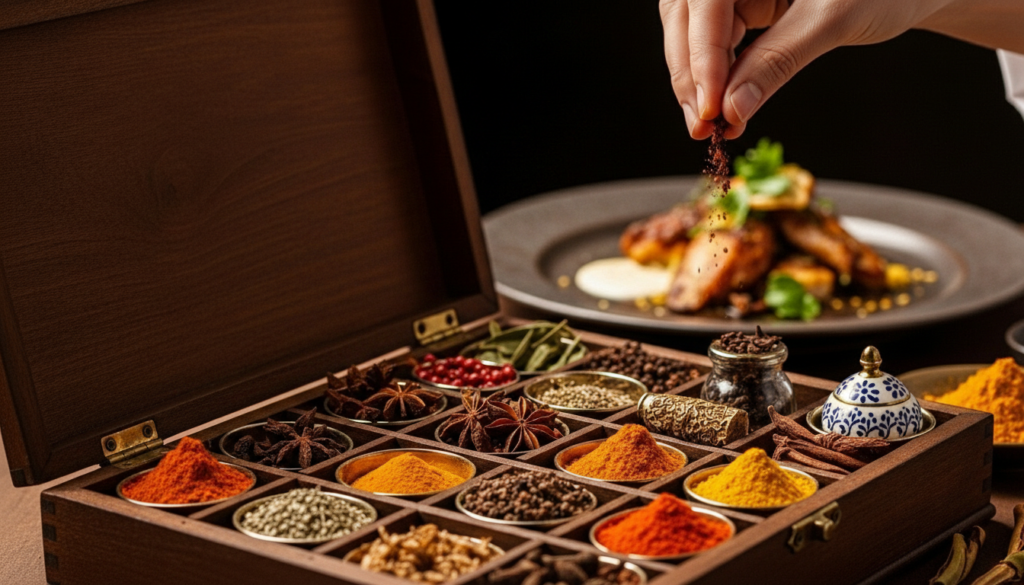
In Singapore cuisine, spice rarely acts as the main event. Instead, it functions like seasoning present enough to add depth, but restrained enough to preserve clarity of flavour.
Most local dishes do not rely on raw chilli heat alone. Instead, they use chilli after cooking, as a finishing element or side accompaniment. This allows diners to experience the full flavour of the dish before deciding how much heat they want.
Common examples:
- Sambal served separately, not mixed in
- Chilli sauce offered on the side
- Dried chilli infused gently into oil rather than added whole
This approach ensures that spice complements, rather than competes with, ingredients like seafood, rice, noodles, or broth.
2. Aromatics Are Used to Round Off Heat
One of the most important ways Singapore balances spice is through the heavy use of aromatics. Heat on its own can feel sharp or aggressive. Aromatics soften that sharpness and give chilli a rounded, savoury profile.
Core aromatics in Singapore cooking:
- Garlic
- Ginger
- Shallots
- Lemongrass
- Galangal
Instead of dumping chilli directly into a dish, these aromatics are often cooked first to release fragrance and sweetness. Chilli is then introduced in measured amounts, allowing it to blend rather than dominate.
How Aromatics Balance Spice
| Aromatic Ingredient | Primary Effect on Spice | Resulting Flavour |
|---|---|---|
| Garlic | Adds warmth and sweetness | Reduces harsh heat |
| Ginger | Sharp but fresh | Cleans up chilli burn |
| Shallots | Mild sweetness | Softens spice edges |
| Lemongrass | Citrus aroma | Lightens heavy heat |
| Galangal | Earthy warmth | Adds depth without burn |
3. Sweet Sour and Savoury Are Always Present
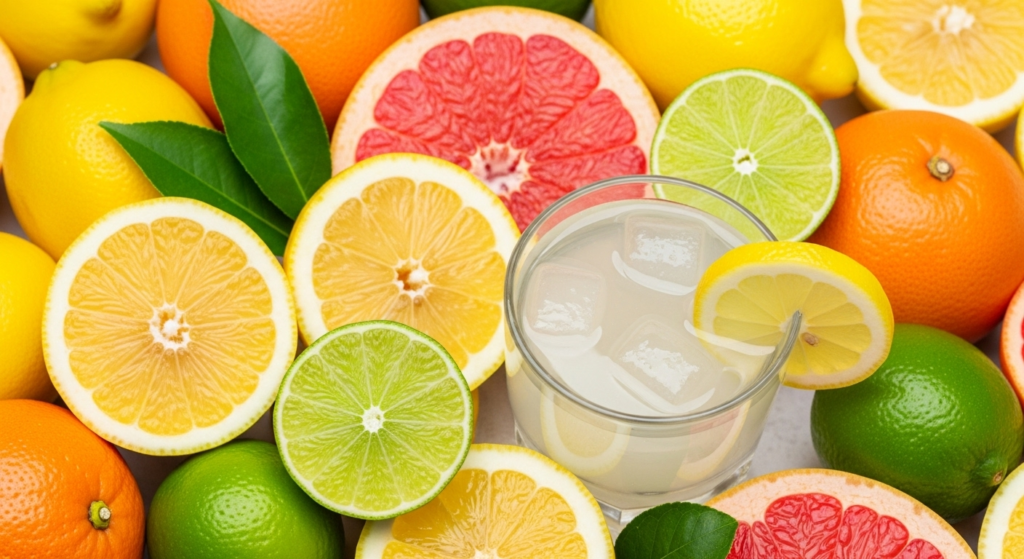
Another defining trait of Singapore cuisine is its multi-flavour structure. Rarely will you find a dish that leans entirely on spice alone. Instead, heat is balanced with sweetness, acidity, or umami.
This principle comes from multiple culinary traditions blending together over time.
Common balancing elements:
- Palm sugar or rock sugar (sweetness)
- Tamarind or lime (sourness)
- Soy sauce, shrimp paste, or fermented sauces (umami)
When spice is countered by sweetness or acidity, it becomes more approachable and layered. The heat stays present, but it no longer feels overwhelming.
Spice Balance Through Flavour Pairing
| Flavour Element | Ingredient Examples | How It Balances Spice |
|---|---|---|
| Sweet | Palm sugar, caramelised onions | Reduces intensity |
| Sour | Tamarind, lime | Cuts through heat |
| Savoury (Umami) | Soy sauce, fermented pastes | Grounds chilli flavour |
| Fat | Coconut milk, oils | Smoothens mouthfeel |
4. Multicultural Influence Creates Natural Moderation
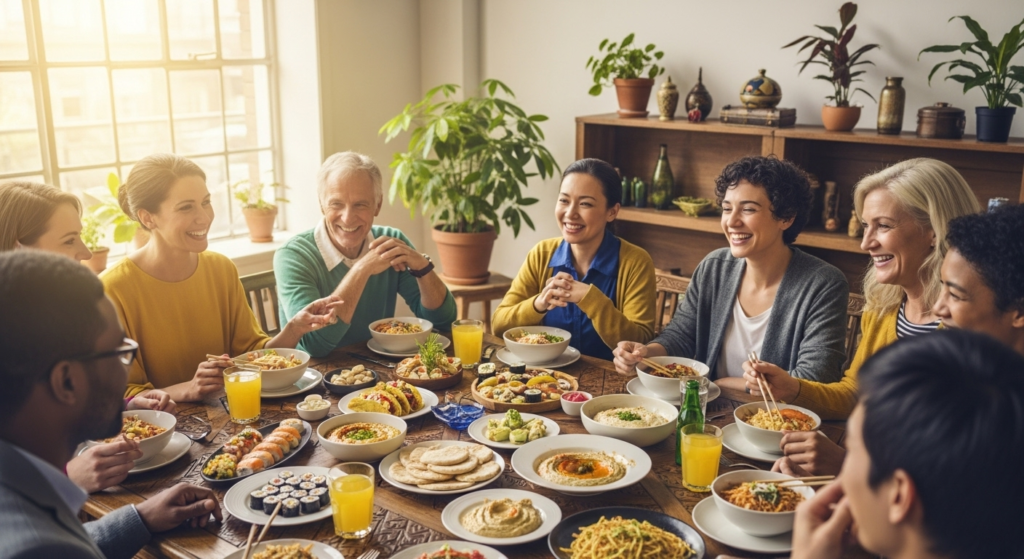
Singapore’s cuisine is not rooted in a single tradition. It is shaped by Chinese, Malay, Indian, and Peranakan influences, each bringing a different approach to spice. Instead of competing, these traditions merged creating a middle ground that values balance over extremity. If you’re exploring how Singapore’s food identity developed overall, you might enjoy Singapore cuisine unique
Instead of competing, these traditions merged creating a middle ground that values balance over extremity.
Cultural contributions to spice balance:
- Chinese cooking prioritises clarity, broth, and aroma
- Malay cuisine introduces spice with structure and restraint
- Indian cooking adds depth through spices without relying solely on heat
- Peranakan food blends richness, sweetness, and spice carefully
This fusion discouraged extremes. Dishes had to appeal to everyone, not just spice lovers.
As a result, Singapore food developed a shared expectation: flavour should come first, spice second.
5. Climate Shapes How Spice Is Used
Singapore’s tropical climate plays a quiet but powerful role in how food is seasoned.
Heavy, aggressively spicy food can feel exhausting in hot, humid conditions. Over time, local cooking adapted by reducing intensity while keeping flavour.
Instead of extreme heat, Singapore food focuses on:
- Light broths
- Balanced sauces
- Controlled chilli portions
Spice is used to stimulate appetite, not overwhelm it. This explains why many local dishes feel warming but not punishing, even on hot days.
6. Condiments Give Diners Control
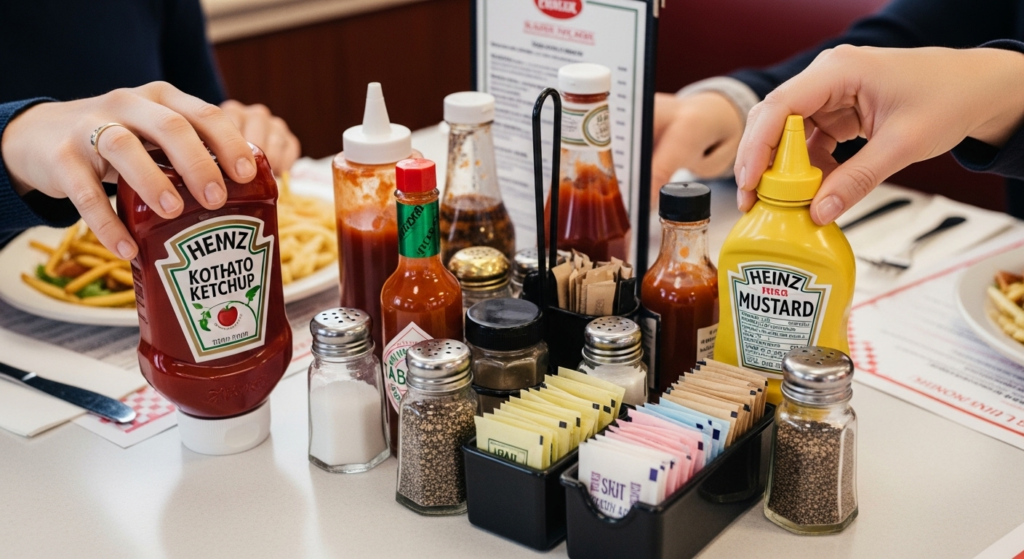
One of the most practical and underrated ways Singapore balances spice is by giving control to the diner.
Rather than forcing a fixed heat level, many dishes are served with:
- Separate chilli sauces
- Sambal on the side
- Optional pickled chillies
This allows everyone to customise their experience without altering the core flavour of the dish. The broader story of how the hawker ecosystem became such a big part of modern Singapore is covered in hawker centres and UNESCO recognition.
Why Condiment Based Spice Works
| Approach | Benefit for Diners | Benefit for Food Culture |
|---|---|---|
| Spice on the side | Personal tolerance control | Wider appeal |
| Adjustable heat | Inclusive for tourists | Consistent base flavour |
| Optional condiments | Repeat consumption | Less waste |
7. Consistency Matters More Than Shock Value
Singapore’s food culture values reliability. People return to the same stalls because they know exactly what they will get.
Extreme spice may create short term attention, but it fails long term. Dishes that are too spicy are tiring to eat repeatedly.
Singapore cuisine prioritises:
- Repeat enjoyment
- Daily consumption
- Predictable flavour
This mindset naturally limits excessive spice. Food must be enjoyable today, tomorrow, and next week — not just impressive once.
How Singapores Approach Differs From Other Spicy Cuisines
While many Southeast Asian cuisines celebrate intense heat, Singapore takes a more measured path.
- It acknowledges spice without glorifying it
- It respects flavour hierarchy
- It prioritises accessibility
This makes Singapore food uniquely balanced and globally appealing.
Why This Balance Appeals to Tourists
Tourists often expect Singapore food to be extremely spicy and are surprised when it isn’t.
This balance allows:
- First-time visitors to enjoy local dishes comfortably
- Locals to eat the same food daily
- Cultural exchange without exclusion
It is one of the reasons Singapore cuisine is easy to appreciate, even without local spice tolerance.
Conclusion
Singapores approach to spice reflects a deeper food philosophy that values balance over extremes. Instead of chasing intense heat, local cuisine focuses on harmony where chilli, aromatics, sweetness, and savoury elements work together to enhance flavour. This careful balance allows dishes to remain enjoyable, consistent, and accessible, making Singapore food suitable for everyday eating rather than occasional indulgence.
Ultimately, Singapore balances spice and flavour by putting the diner first. Climate, multicultural influences, and long-standing hawker traditions have shaped a food culture that prioritises inclusivity and repeat enjoyment. This is why Singapore’s local food feels bold without being overwhelming offering depth, comfort, and character in every bite.
FAQs
1. Why does Singapore balance spice and flavour instead of focusing on heat?
Singapore balances spice and flavour to ensure food remains enjoyable, inclusive, and suitable for everyday eating. Extreme heat can overpower taste and limit who can enjoy the dish.
2. Is Singapore food spicy compared to other Southeast Asian cuisines?
Singapore food is generally milder than some neighbouring cuisines. It prioritises flavour depth over intense heat, making it accessible to both locals and visitors.
3. Why is chilli often served separately in Singapore food?
Chilli is served on the side to give diners control over spice levels while preserving the original flavour of the dish.
4. How do aromatics help balance spice in Singapore cuisine?
Ingredients like garlic, ginger, lemongrass, and shallots soften the sharpness of chilli, adding fragrance and depth without increasing heat.
5. Does Singapore’s climate influence how spicy local food is?
Yes. Singapore’s hot and humid climate encourages lighter meals, where spice is used carefully to stimulate appetite rather than overwhelm the body.
6. How do different cultures influence spice balance in Singapore food?
Chinese, Malay, Indian, and Peranakan cuisines contribute techniques that emphasise moderation, layering of flavours, and controlled use of spice.
7. Can people with low spice tolerance enjoy Singapore food?
Absolutely. Most dishes are designed to be flavourful first, with optional spice adjustments, making them suitable for all tolerance levels.
8. What makes Singapores approach to spice unique?
Singapore’s cuisine focuses on consistency and balance rather than shock value, ensuring dishes can be enjoyed repeatedly without fatigue


No Comment! Be the first one.