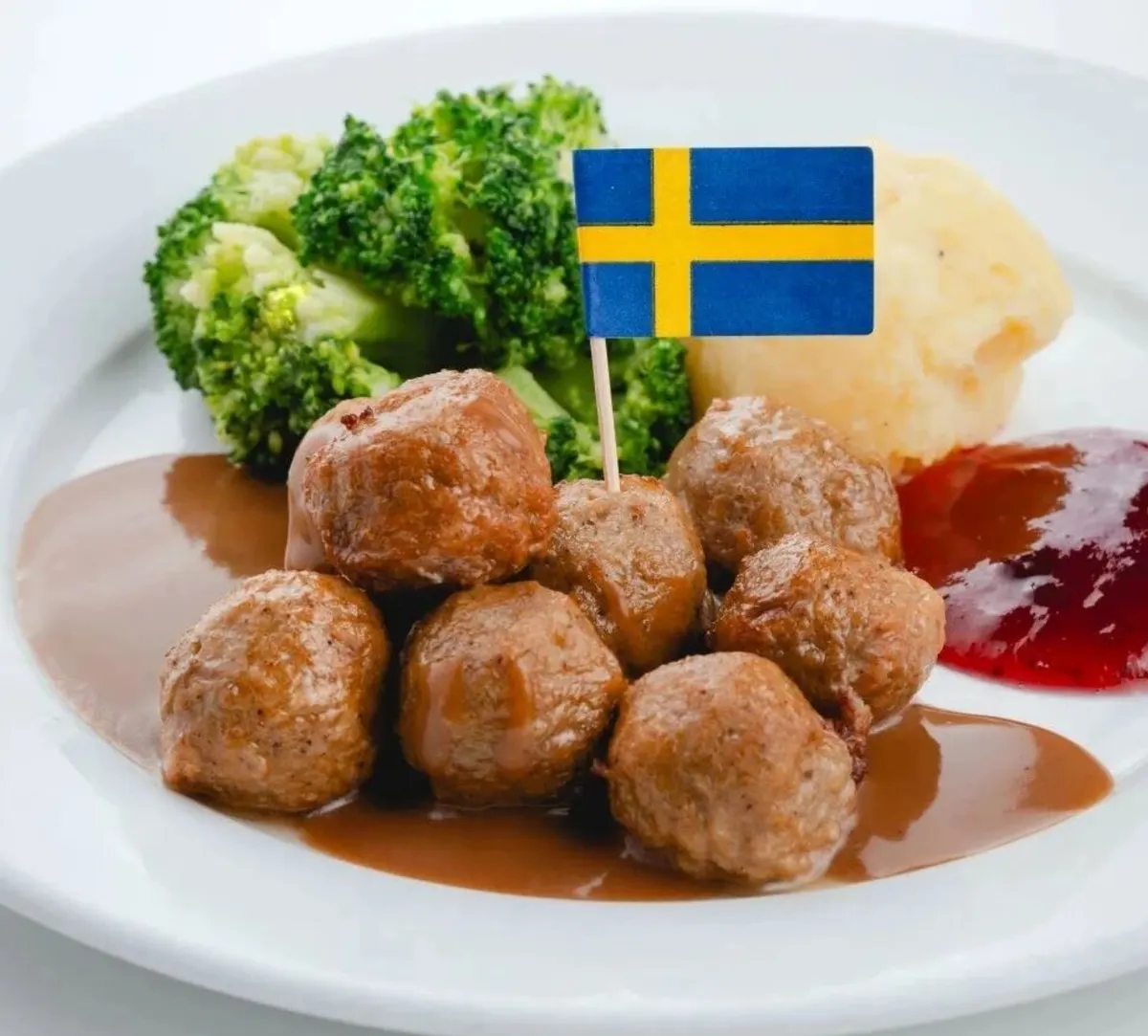
 Swedish Meatballs: The Classic Swedish Dish Made Famous by IKEATender Swedish meatballs, silky cream sauce, buttery mashed potatoes, and tart lingonberry jam come together in a comforting Nordic classic made famous around the world by IKEA.6 min read
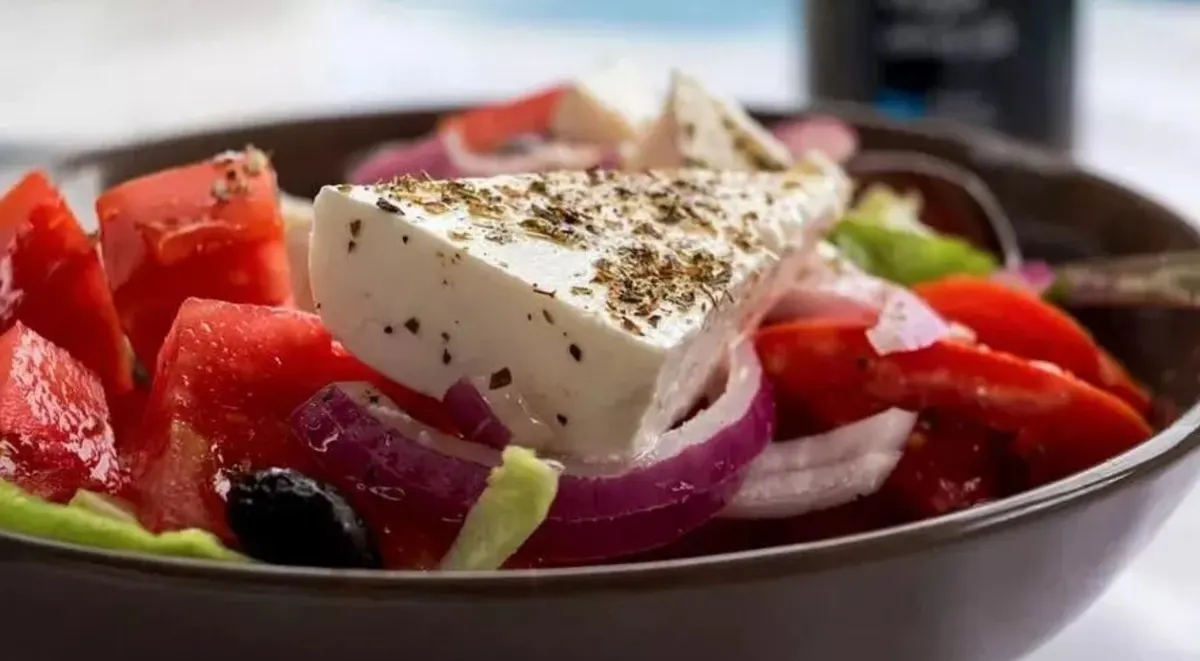 Traditional Greek Salad: Ingredients, History and an Easy Horiatiki RecipeThis article explores the history, traditional ingredients, Mediterranean flavors, global variations, and simple preparation of Greek salad, one of Greece's most iconic dishes.7 min read
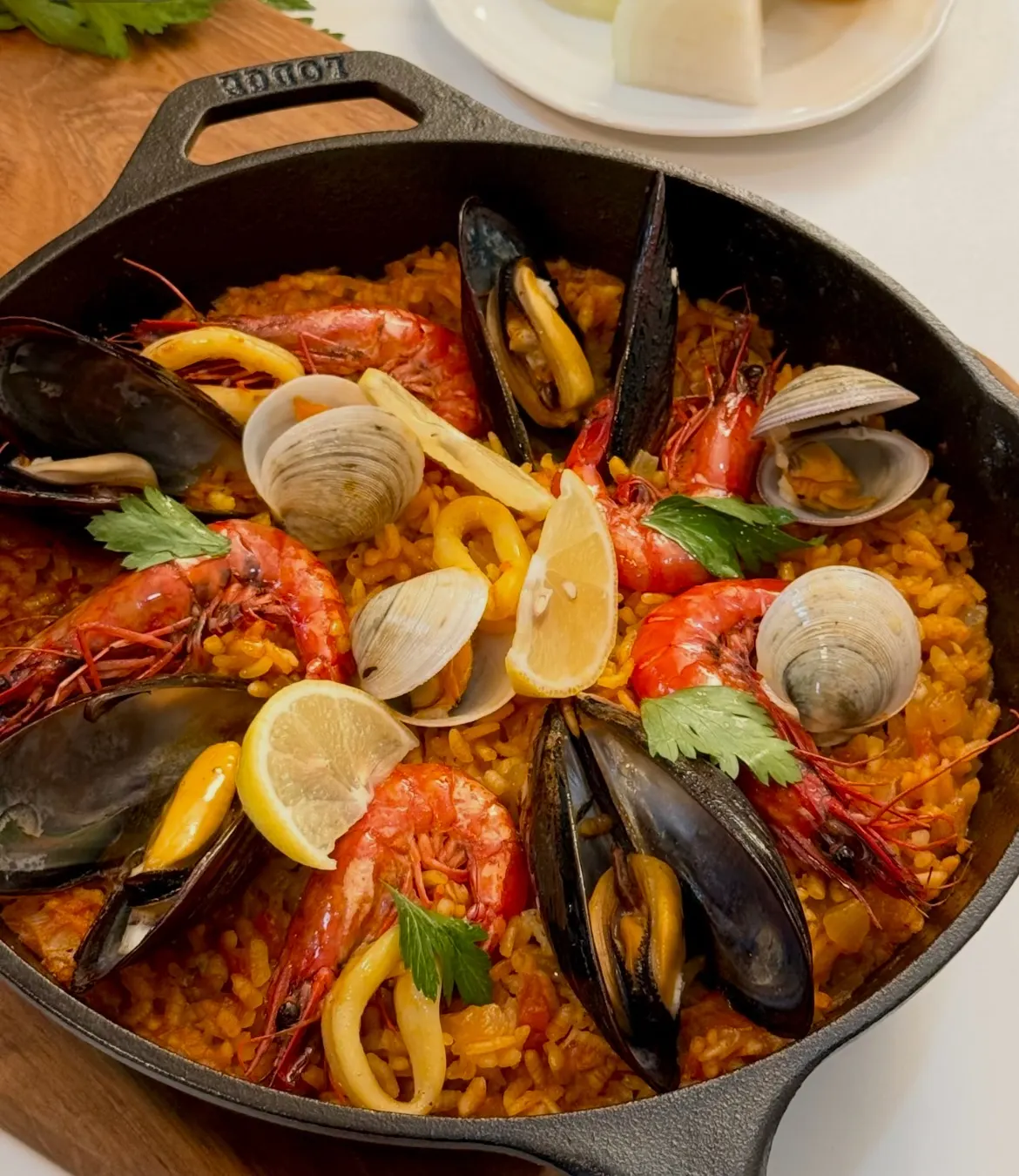 Daily Dish: Spanish Seafood Paella – A Pot of Mediterranean SunSpanish paella is all about slow cooking with time, letting saffron, stock, and seafood meld in layers until a crispy socarrat forms at the bottom – and that crackling sound is the Mediterranean clapping back.6 min read
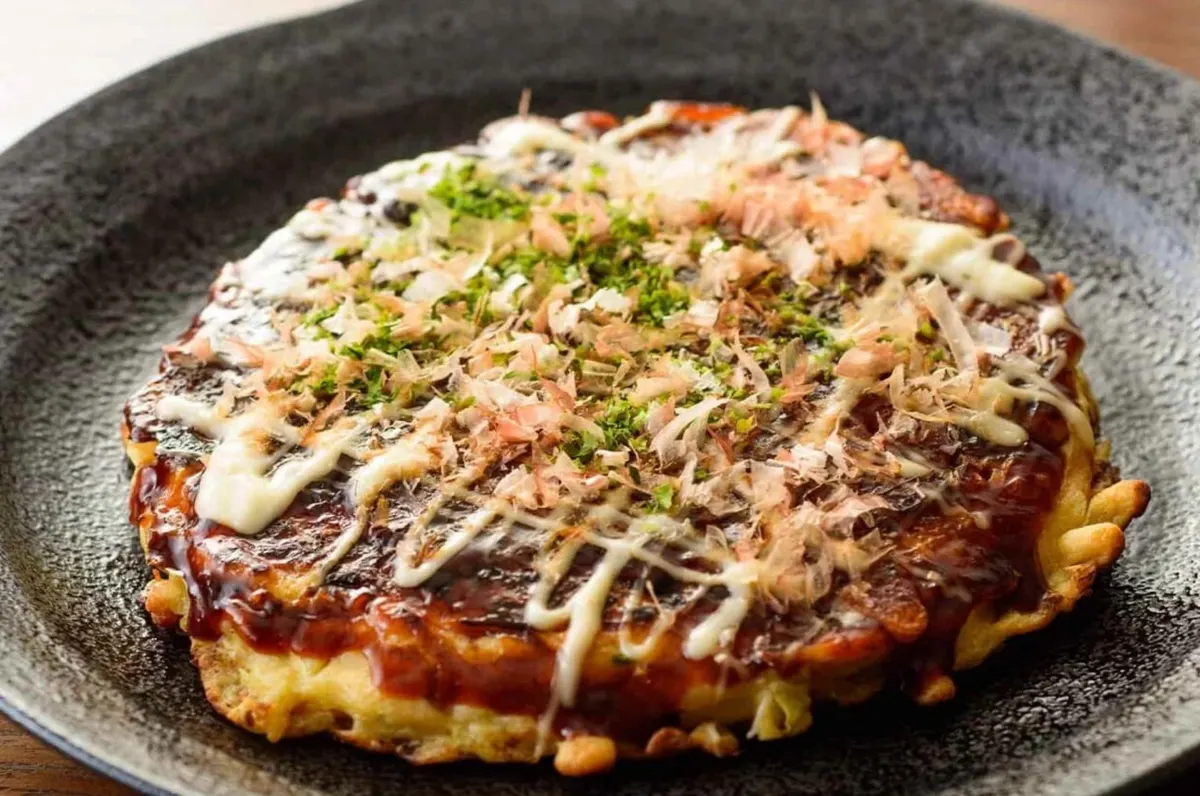 Japanese Cuisine: Easy Homemade Okonomiyaki RecipeThis easy homemade okonomiyaki recipe combines cabbage, seafood, beef, and a light batter for a flavorful and customizable Japanese-style savory pancake.6 min read
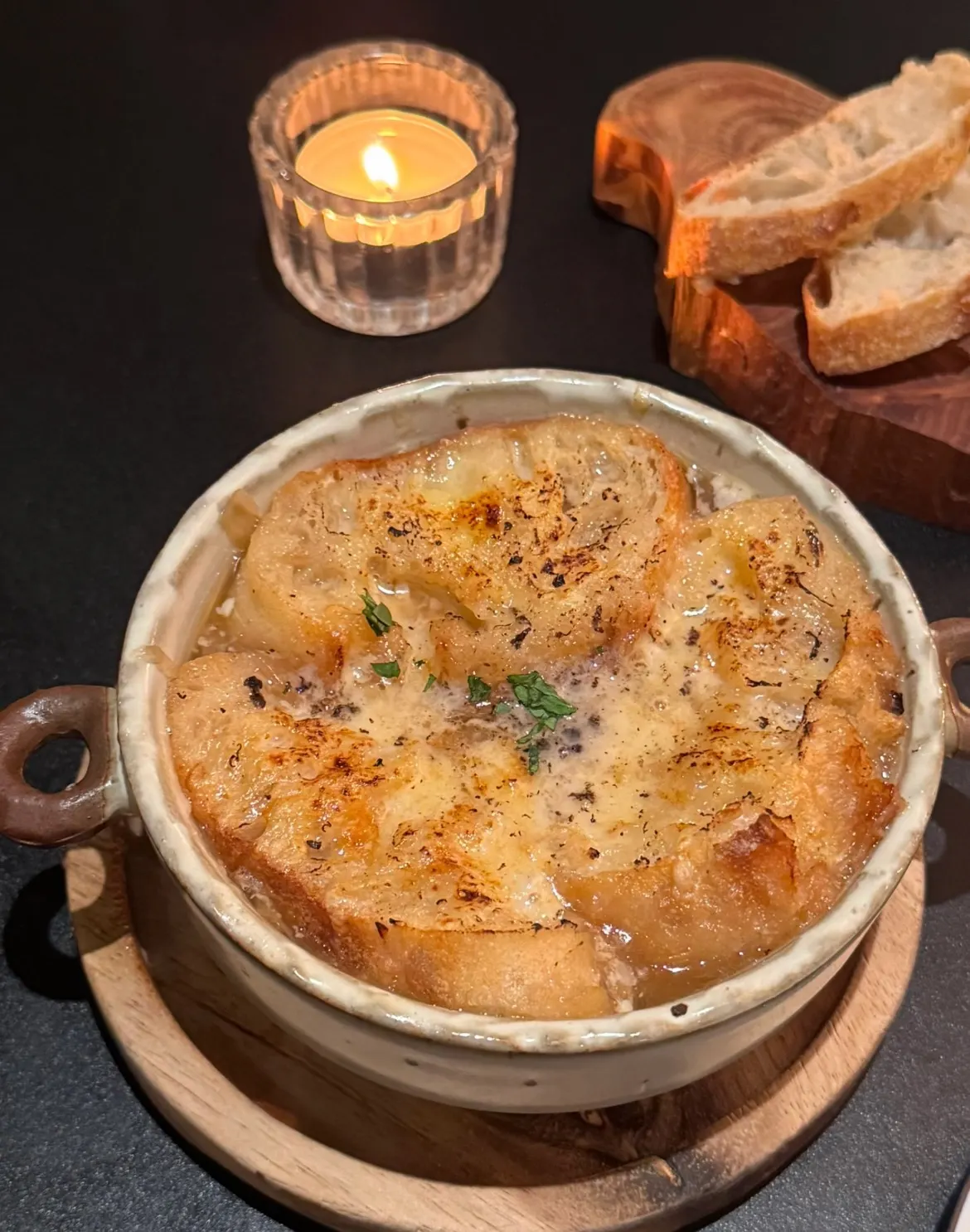 Michelin Chef's French Onion Soup – That Michelin-level taste, straight from a classic secret recipe!Four takes on French onion soup, each with its own twist, yet they all come down to one make-or-break step – low and slow cooking until the onions are properly caramelised.4 min read
Today's Menu
A hand-picked bento of our newest recipes, guides, and stories - sized to whet every appetite.
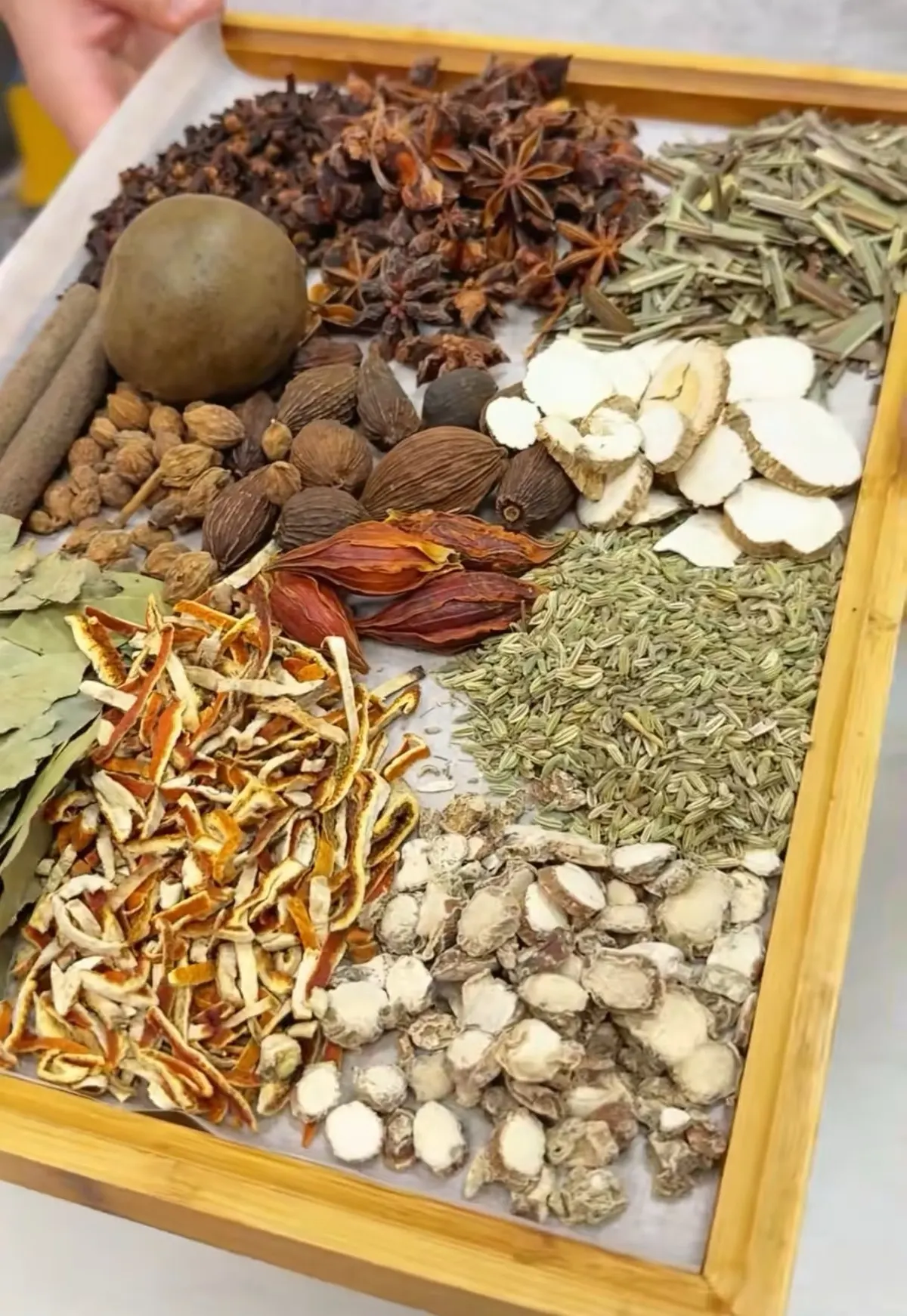
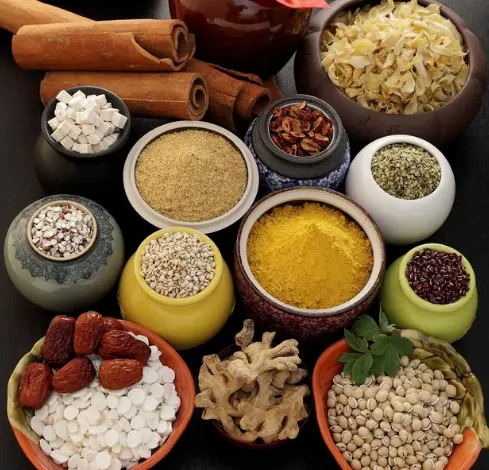 List of Herbs and Spices in the Kitchen
From rosemary, basil, and thyme to saffron, pepper, cumin, ginger, and vanilla, kitchen herbs and spices lend distinct character to dishes across cultures through their unique flavors, uses, and cultural roots.
Sep 20, 2026 · 6 min read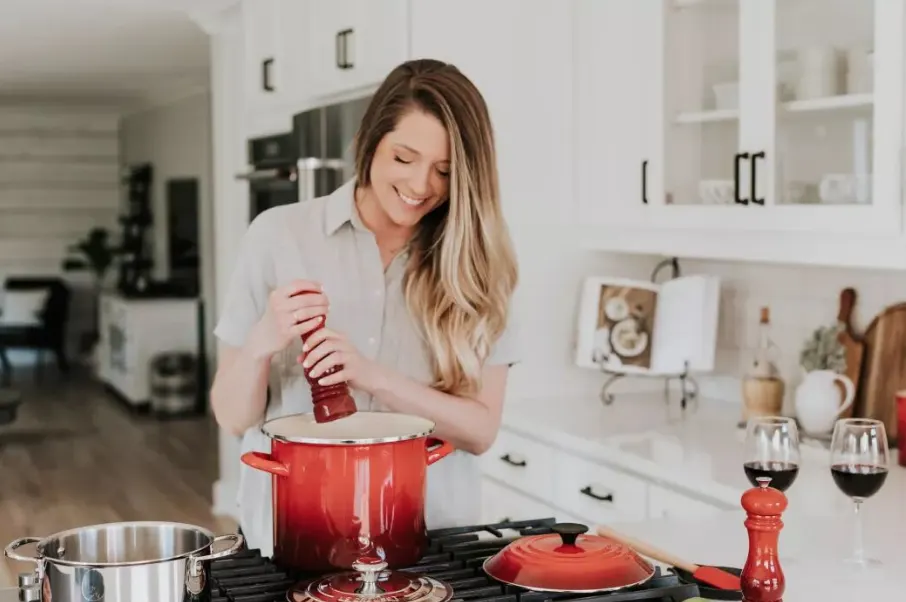 Salt is not just for seasoning, it has two wonderful uses: dry curing and wet curing. Please keep them safeSep 18, 2026 · 5 min read
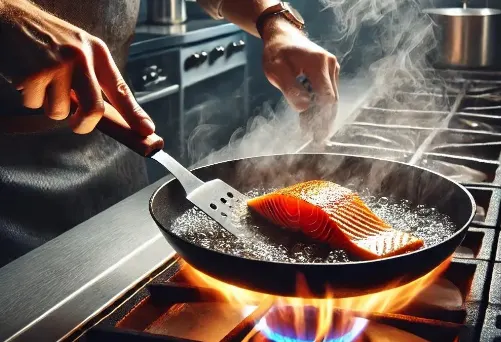 How to master the heat and seasoning in cookingSep 17, 2026 · 3 min read
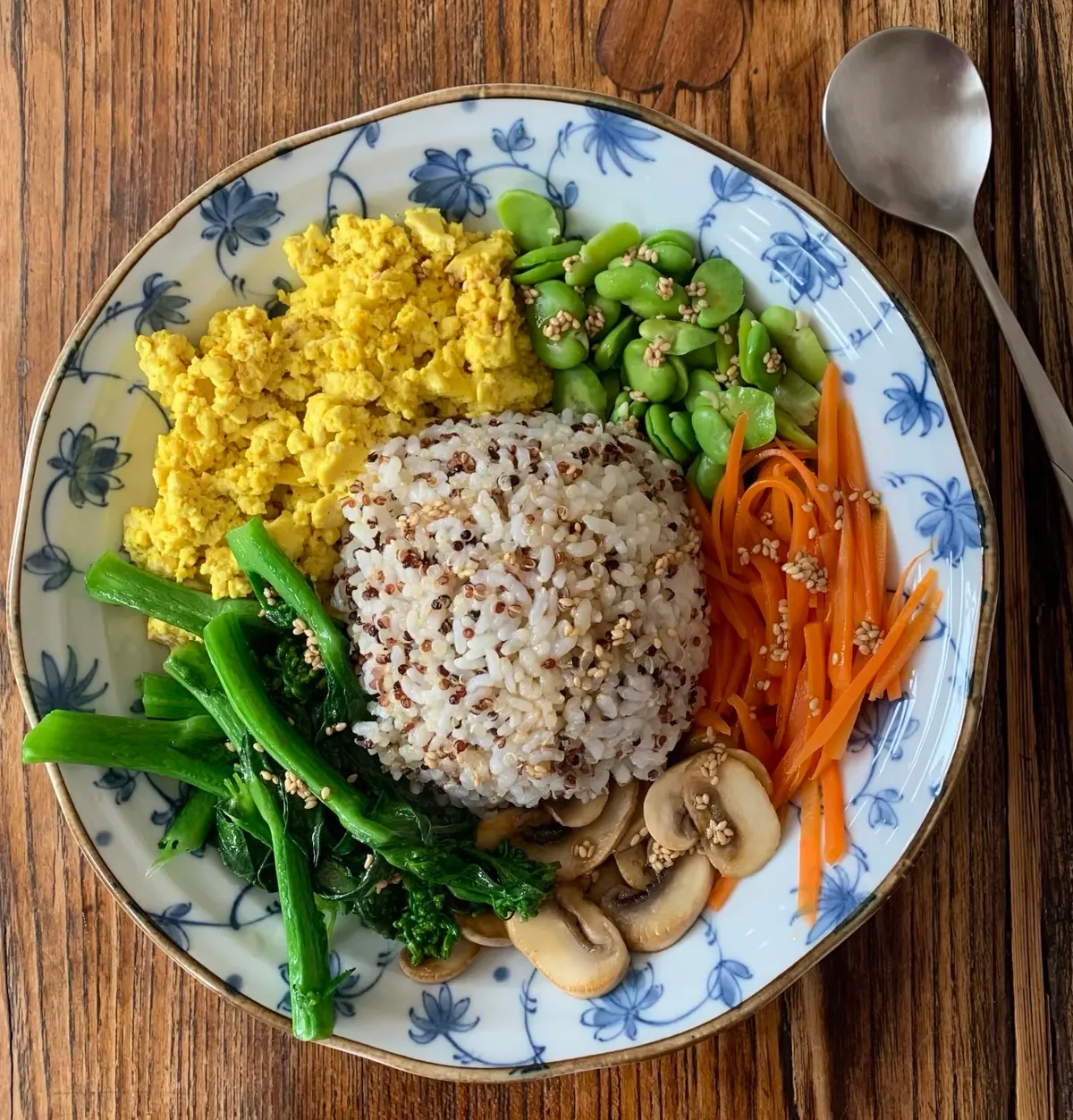
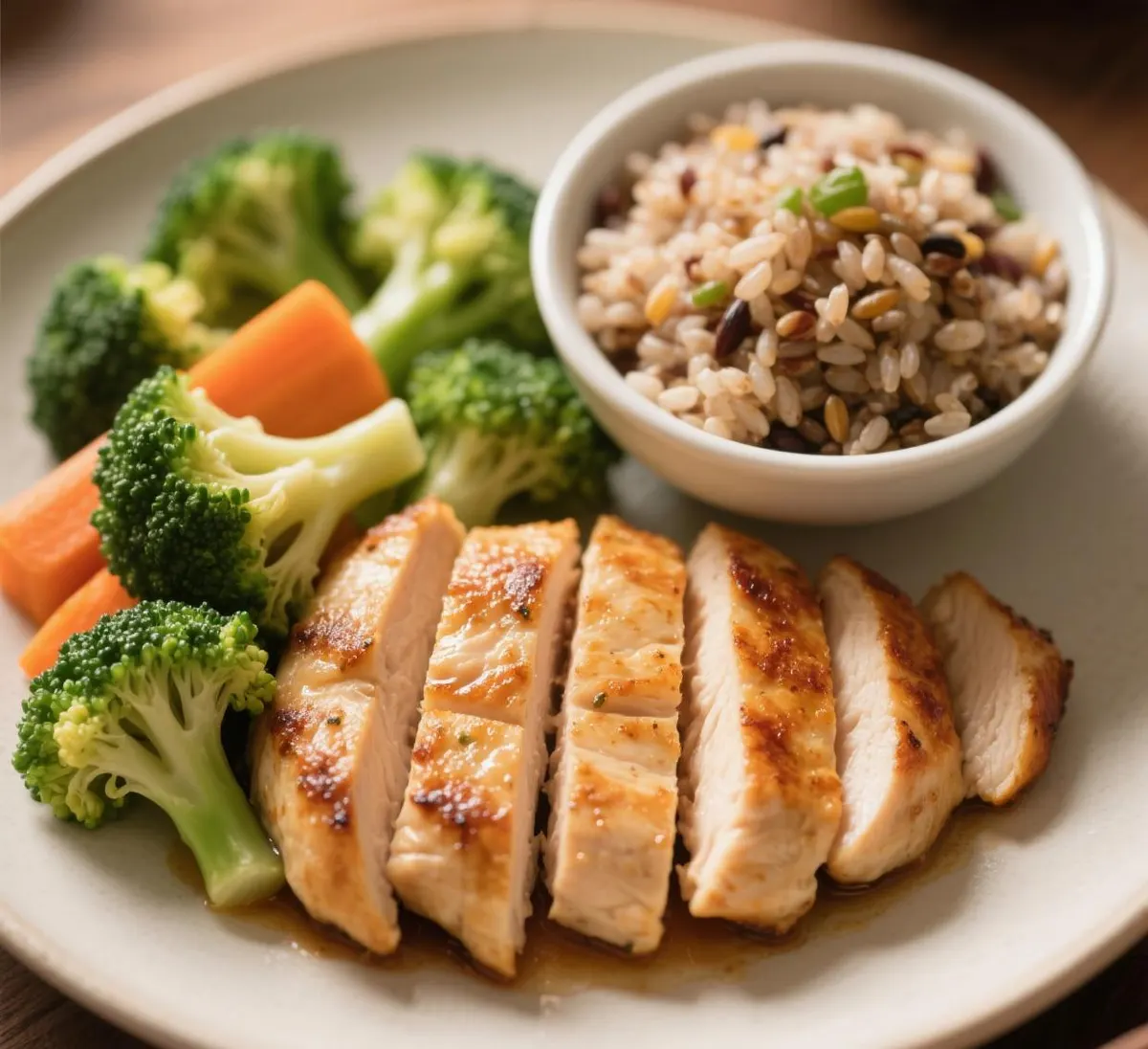 Essential for office workers: 10 types of protein meal preparations that can be refrigerated for 3 daysSep 15, 2026 · 4 min readIs Quinoa Really a Superfood? Nutritional Breakdown and Meal Prep Ideas
Quinoa is an ancient, nutrient-dense superfood packed with complete plant protein, healthy unsaturated fats, dietary fiber, and essential minerals. With its low glycemic index, rich bioactive compounds, and exceptional drought tolerance, it supports metabolic health while offering a sustainable solution for global food security.
Sep 15, 2026 · 4 min readThe Science of Crispy Tempura: Batter Temperature and Frying Mechanics ExplainedTempura is a iconic Japanese culinary style that transforms fresh vegetables into light, crispy delights through precise battering and deep-frying techniques. By balancing oil temperatures, ice-cold batter, and a rich dashi-based dipping sauce, this guide provides a step-by-step approach to achieving restaurant-quality crispness at home.
Sep 14, 2026 · 4 min readThe Singaporeeast Five
Five substantial reads our kitchen table keeps coming back to, ranked by editorial taste.
 02
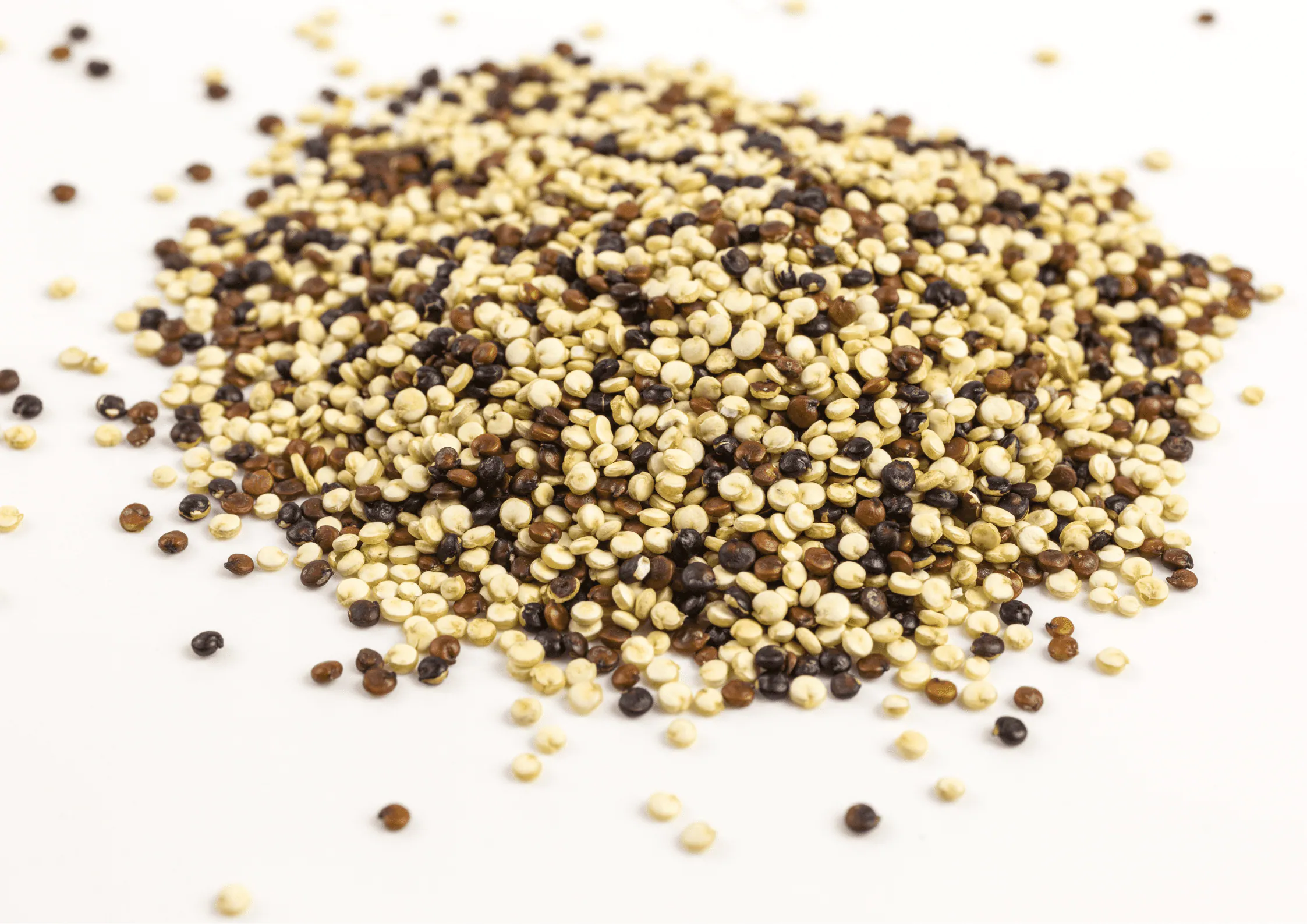
Why the Mediterranean Diet Wins Hearts: A Health Choice That Doesn't Rely on WillpowerJul 23, 2026 · 7 min read
02
Why the Mediterranean Diet Wins Hearts: A Health Choice That Doesn't Rely on WillpowerJul 23, 2026 · 7 min read
 03
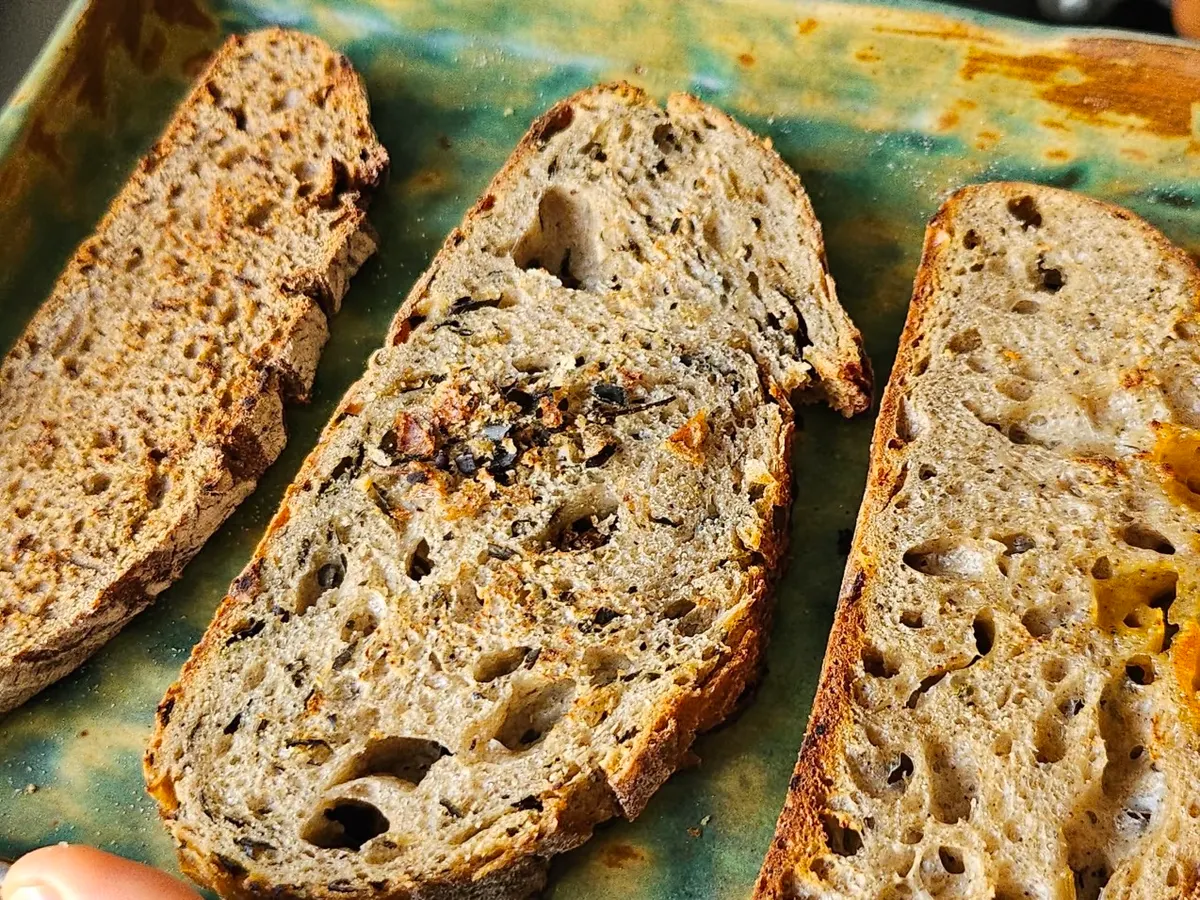
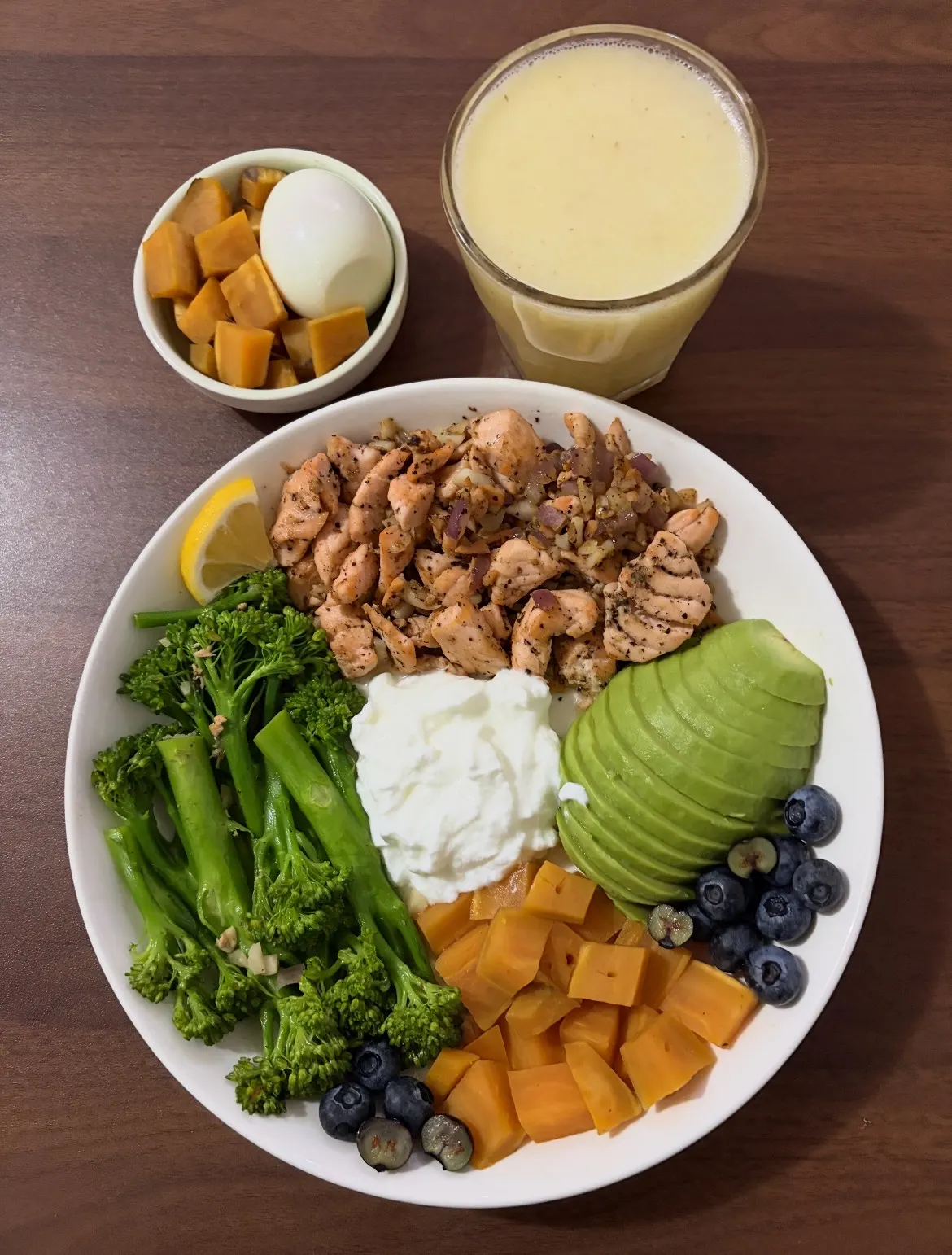
A "Living" Loaf: The Science and Story Behind SourdoughSep 1, 2026 · 7 min read
03
A "Living" Loaf: The Science and Story Behind SourdoughSep 1, 2026 · 7 min read
 04
Scones: The Star of British Afternoon TeaSep 11, 2026 · 7 min read
04
Scones: The Star of British Afternoon TeaSep 11, 2026 · 7 min read
 05
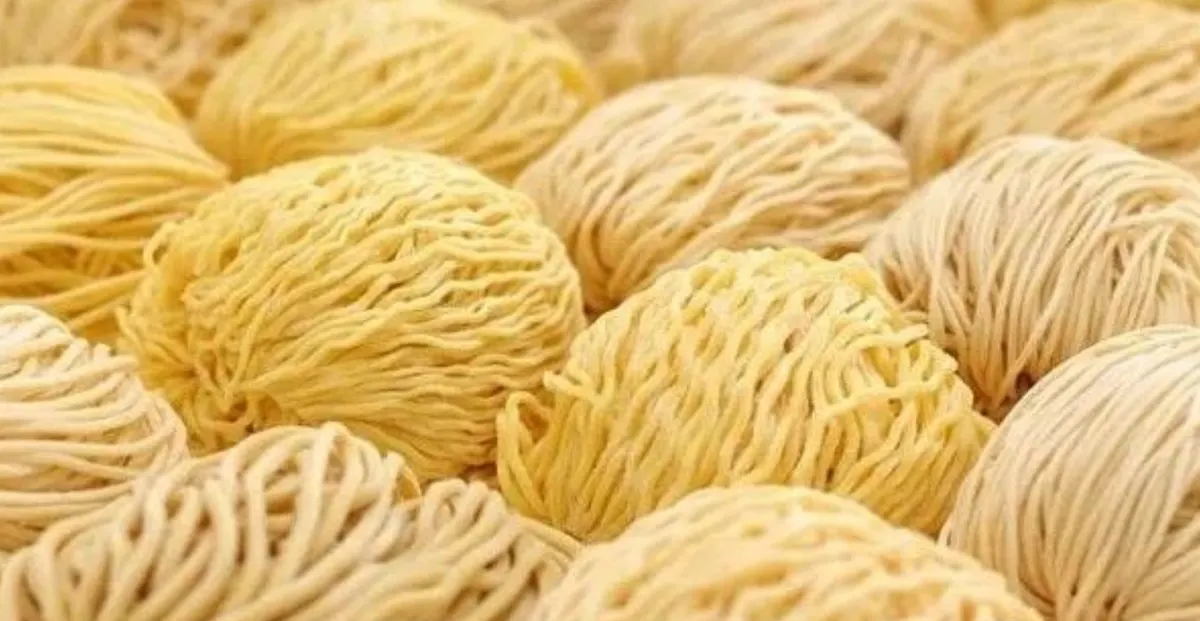
Japanese Ramen: The Science Behind the NoodlesAug 24, 2026 · 9 min read
05
Japanese Ramen: The Science Behind the NoodlesAug 24, 2026 · 9 min read
Explore by Category
Every aisle of our kitchen, laid out in full - pick a shelf and dig in.