



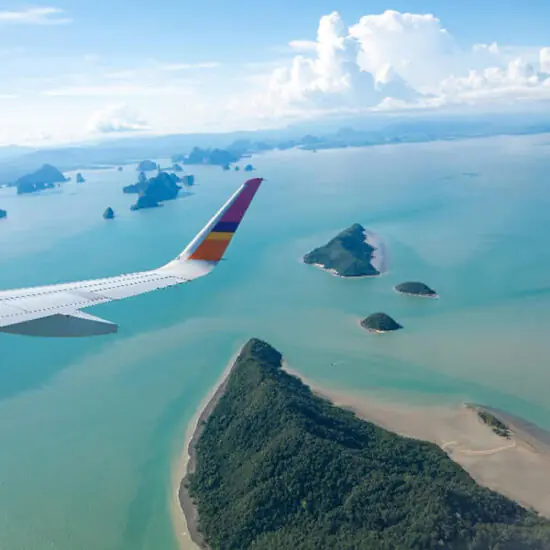




Why Singapore Is So Expensive comes down to a unique mix of limited land, heavy global demand, and a highly controlled, high income economy. As one of the world’s smallest but most developed countries, Singapore has very little space to expand, yet it attracts millions of residents, multinational companies, and international investors. This constant demand for housing, transport, and daily services pushes prices higher than in most cities, while almost everything from food to fuel must be imported, adding further cost.
Table Of Content
- How Expensive Is Singapore
- 1. Singapore Is One of the Smallest Countries in the World
- 2. Housing Is Expensive Because Demand Never Stops
- 3. Almost Everything Is Imported
- 4. Cars Are Made Expensive on Purpose
- 5. Wages Are High, So Services Cost More
- 6. The Government Does Not Subsidise Daily Life
- 7. Singapore Offers World Class Infrastructure
- 8. Expats and Global Companies Push Prices Up
- Where Does Your Money Go Each Month
- Is Food Really Expensive in Singapore
- Why Singapore Feels Expensive Even When You Earn More
- Is Singapore Worth the Cost
- Conclusion
- FAQs
- 1. Why is rent so high in Singapore?
- 2. Is food expensive in Singapore?
- 3. Are salaries high in Singapore?
- 4. Why are cars so expensive?
- 5. Is Singapore more expensive than London or New York?
- 6. Can locals afford to live here?
What makes Singapore different is that its high prices are driven by structure, not lifestyle inflation. Government policies regulate land, housing, and cars to manage congestion and maintain quality of life, while world class infrastructure, safety, healthcare, and business opportunities keep global demand strong. Together, these forces explain why Singapore is so expensive and why it continues to rank among the most costly but also most liveable cities in the world.
How Expensive Is Singapore
Singapore is expensive because housing, transport, and daily services all operate at premium levels due to limited land and strong global demand. Rent and private property take up the largest part of most people’s income, especially for expats and professionals. Even basic living costs feel high compared to nearby countries.
Despite this, the quality of life, safety, and infrastructure are among the best in the world. People are not just paying for space and food, but for reliability, cleanliness, and a stable economic environment that supports high incomes.
| Lifestyle | Typical Monthly Cost (SGD) |
|---|---|
| Student (shared room) | 1,500 – 2,200 |
| Single professional | 2,800 – 4,000 |
| Couple | 4,000 – 6,000 |
| Family of four | 6,500 – 9,000+ |
1. Singapore Is One of the Smallest Countries in the World
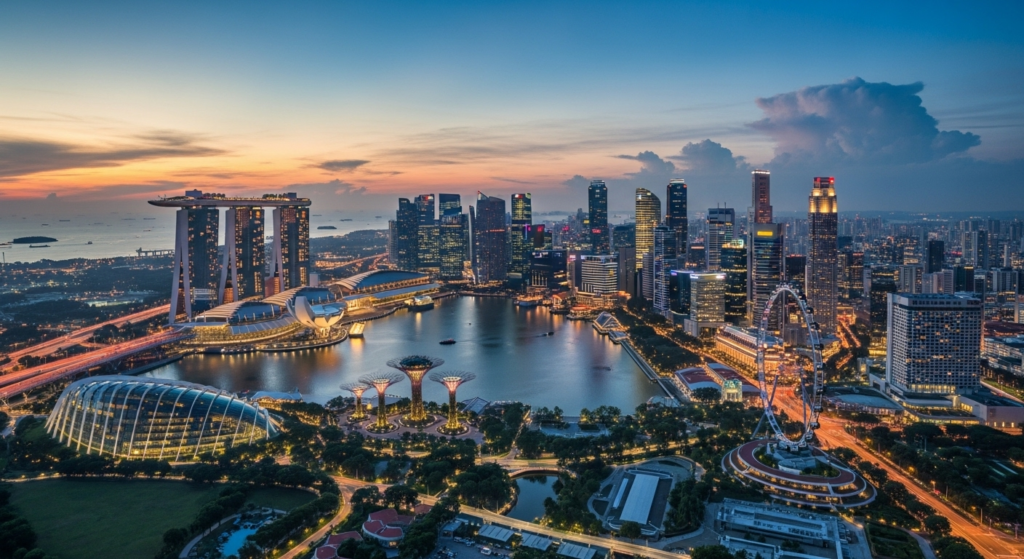
Singapore has a population of nearly 6 million people but occupies less land than many large cities. There is simply not enough physical space.
Every building, road, park, shopping mall, and apartment must compete for limited land. This creates a constant shortage, which automatically drives prices up.
In countries with large land areas, housing can spread outward. In Singapore, it can only go up.
This is the foundation of almost every cost problem in the country.
2. Housing Is Expensive Because Demand Never Stops
Singapore is not only home to locals. It is also:
• A global financial hub
• A regional headquarters for thousands of companies
• A magnet for wealthy expats
• A safe haven for international investors
All of these groups compete for the same limited housing.
Even though the government builds public housing, private property is driven by global demand. A banker from London, a tech founder from Silicon Valley, and a family from Shanghai can all bid for the same apartment.
That competition pushes prices higher than local salaries alone would.
| Housing Type | Average Monthly Rent |
|---|---|
| HDB Room | 700 – 1,200 |
| 1-bedroom condo | 2,500 – 4,000 |
| 3-bedroom condo | 4,500 – 7,500 |
| Landed house | 8,000+ |
3. Almost Everything Is Imported
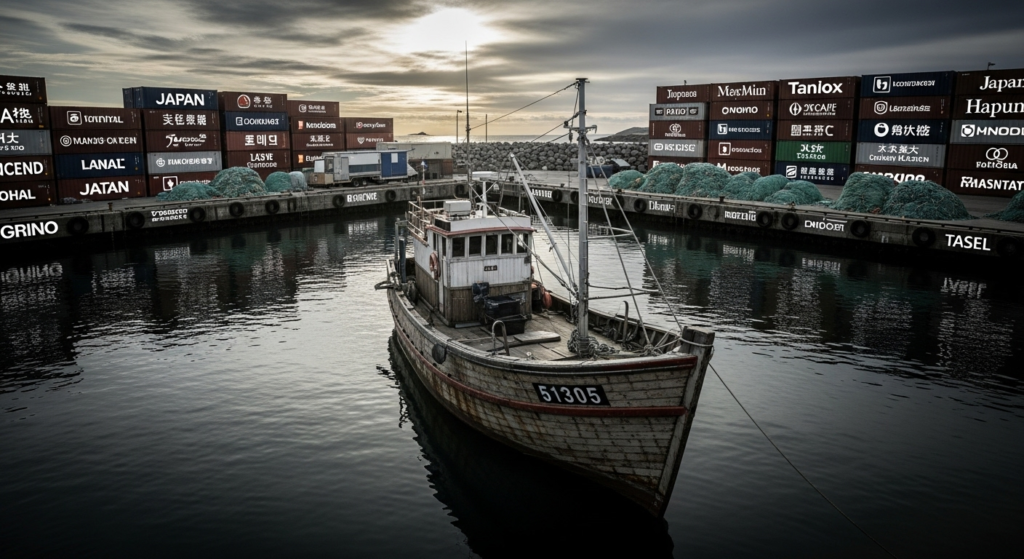
Singapore produces very little of its own food, fuel, and raw materials, so most everyday items must be brought in from other countries. Importing adds costs such as shipping, storage, and currency exchange, which increases prices. This makes even basic goods more expensive than in countries that produce their own supplies.
This means:
• Rice
• Meat
• Vegetables
• Milk
• Fuel
• Building materials
All must be imported.
Imports include:
• Shipping
• Insurance
• Storage
• Taxes
• Currency fluctuations
These extra layers add cost to everything you buy.
Even a simple bowl of noodles reflects international supply chains.
4. Cars Are Made Expensive on Purpose
Cars in Singapore are not expensive by accident. The government uses the Certificate of Entitlement system to limit how many cars can be on the road, which keeps traffic and pollution under control. This makes car ownership a luxury rather than a necessity.
By pricing cars high, Singapore encourages people to use its excellent public transport system. This keeps the city efficient, but it also makes owning a car one of the biggest expenses for anyone who wants one.
| Item | Typical Cost |
|---|---|
| Small car | 90,000 – 120,000 |
| COE alone | 70,000 – 100,000 |
| Parking, fuel, insurance | High |
5. Wages Are High, So Services Cost More
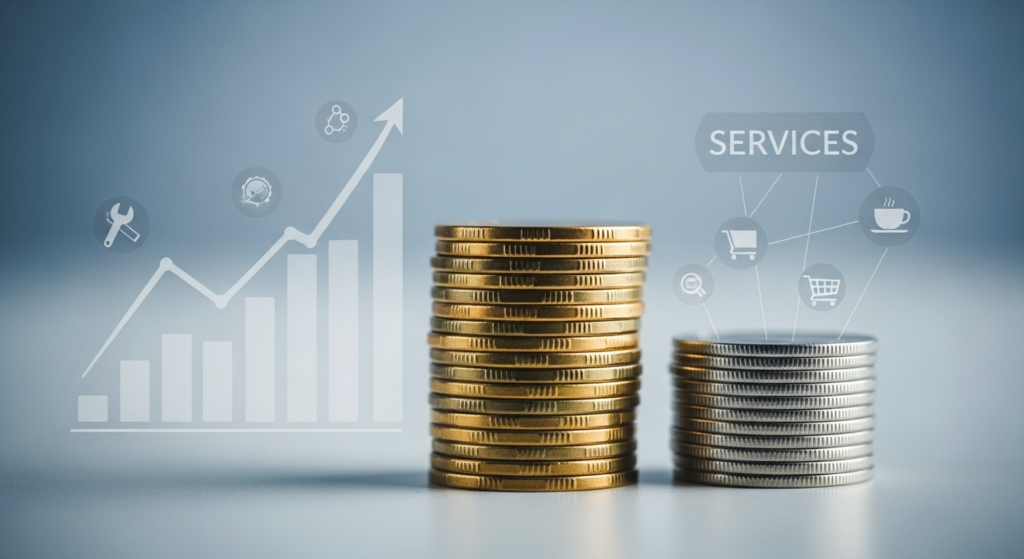
Singapore pays higher wages than most of Asia, especially for skilled and service workers. This means cleaners, delivery drivers, technicians, and retail staff all earn more, which increases the cost of services.
Because labour is more expensive, everything from eating out to home repairs costs more. This creates a higher overall cost of living even when goods themselves are not overly priced.
Everything involving labour costs more:
• Food preparation
• Cleaning
• Construction
• Maintenance
• Healthcare
This pushes prices up across the entire economy.
6. The Government Does Not Subsidise Daily Life
Singapore allows market prices to reflect real costs instead of heavily subsidising food, fuel, or utilities. This keeps the economy efficient and avoids shortages, but it also means people pay the true price for what they use. Financial support comes through grants and housing schemes rather than cheap daily goods.
Many countries subsidise:
• Fuel
• Electricity
• Food
• Transport
Singapore does not.
The government prefers cash assistance, housing grants, and tax relief instead of price controls. This keeps markets efficient but also means prices reflect true costs.
You pay what things really cost to produce, import, and deliver.
7. Singapore Offers World Class Infrastructure
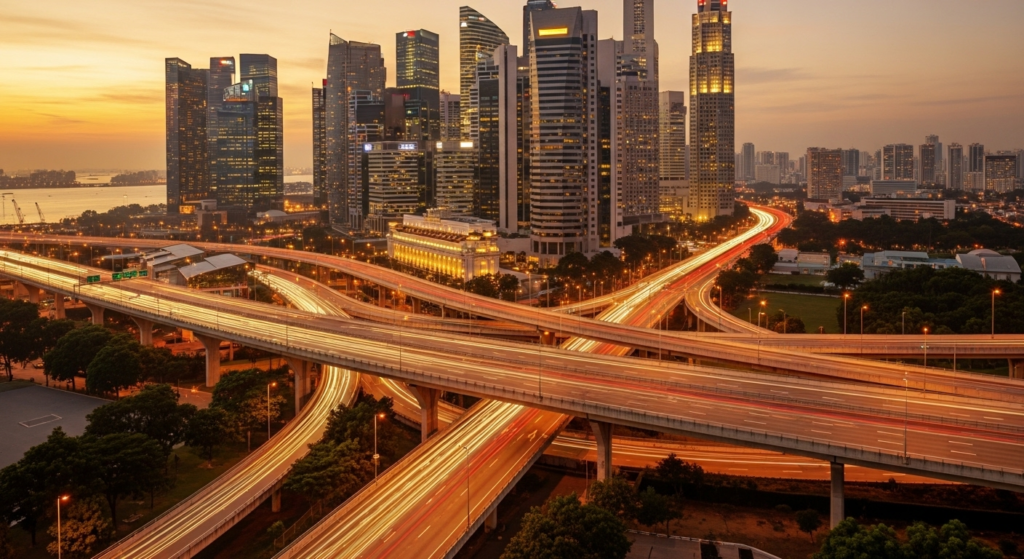
The country provides clean streets, fast transport, reliable utilities, and top quality healthcare. These systems require large investment and constant maintenance, which is built into the cost of living. Residents are paying for a highly organised and safe city.
You are paying for:
• Clean streets
• Safe neighbourhoods
• Reliable MRT
• Fast internet
• Top-tier healthcare
• Political stability
These systems require massive investment.
You are paying for one of the most efficient cities on Earth.
8. Expats and Global Companies Push Prices Up
Multinational companies bring high paid professionals into Singapore, increasing demand for housing, schools, and lifestyle services. This creates a premium market that raises prices for everyone. Local businesses then adjust their pricing to match this higher spending power.
That creates a second economy:
• International schools
• Luxury condos
• Premium groceries
• Private healthcare
This raises the ceiling for prices and local businesses follow.
Where Does Your Money Go Each Month
| Category | Typical Share |
|---|---|
| Rent | 35–50% |
| Food | 15–25% |
| Transport | 5–15% |
| Utilities & Internet | 5–10% |
| Lifestyle & insurance | 10–20% |
Is Food Really Expensive in Singapore
Food in Singapore is not expensive if you eat local. Hawker centres and food courts offer meals that are affordable, fresh, and high quality, often costing less than in many Western cities.
Food becomes expensive when you choose restaurants, imported groceries, or lifestyle dining. The contrast between cheap local food and premium dining makes Singapore feel confusingly priced.
Hawker food remains affordable.
| Meal Type | Cost |
|---|---|
| Hawker meal | 4 – 8 |
| Food court | 8 – 12 |
| Restaurant | 18 – 40 |
Why Singapore Feels Expensive Even When You Earn More
People in Singapore usually earn more, but they also spend more on rent, transport, and daily services. This creates a feeling that money disappears quickly even when salaries are high.
The city offers many premium lifestyle options, which makes it easy to spend more without realising. As a result, Singapore feels expensive because both income and expenses are on a higher level than most places.
Is Singapore Worth the Cost
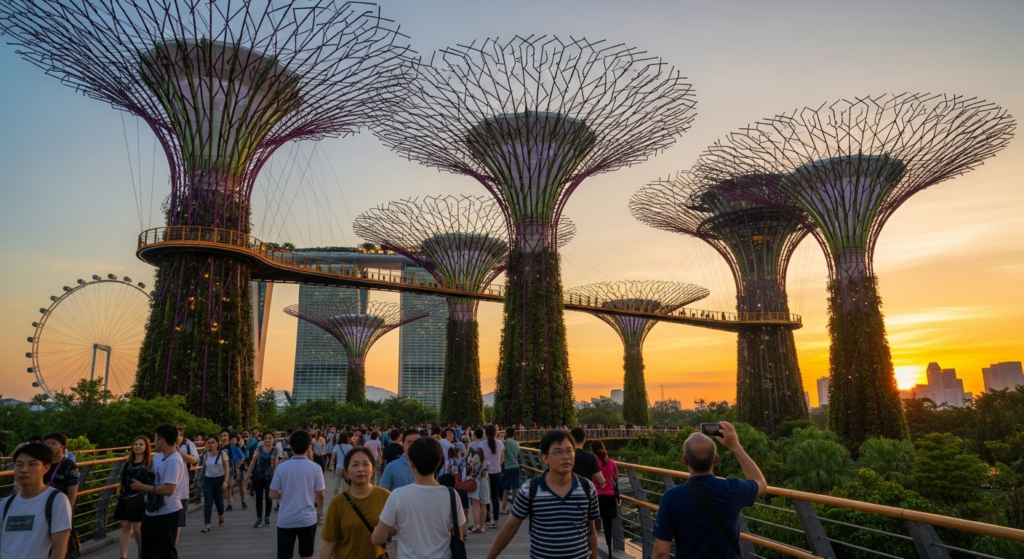
Many people feel Singapore is worth it because of safety, opportunity, and quality of life. The city offers strong career growth, stability, and excellent public services. For those who value these things, the higher cost feels justified.
Many people say yes, because you get:
• Safety
• Opportunity
• Education
• Healthcare
• Global connections
• Clean living
Singapore charges premium prices for premium stability.
Conclusion
Singapore is expensive because it is small, global, highly developed, and deeply connected to the world economy. Limited land, imported goods, high wages, and constant international demand push prices higher than most cities. These are not accidents they are the natural result of how the country is designed.
What makes Singapore different is that while it is expensive, it also delivers. You pay more, but you receive safety, efficiency, infrastructure, and opportunity that few places in the world can match. Singapore is not overpriced it is precisely priced for what it offers.
FAQs
1. Why is rent so high in Singapore?
Because land is limited and global demand for housing is extremely strong.
2. Is food expensive in Singapore?
Not at hawker centres. Restaurant and imported food is expensive, but local meals remain affordable.
3. Are salaries high in Singapore?
Yes. Singapore pays much more than most of Asia, especially for skilled workers.
4. Why are cars so expensive?
The government limits car ownership to reduce congestion and pollution.
5. Is Singapore more expensive than London or New York?
Housing and cars can be more expensive, but food and healthcare are often cheaper.
6. Can locals afford to live here?
Yes, but most live in public housing and use public transport.
No Comment! Be the first one.