








The cost of living in Singapore is among the highest in Asia, driven by housing prices, transport costs, imported food, and world class public services. As a global financial hub with limited land and high demand, Singapore has a tightly controlled property market and premium pricing for cars, rentals, and everyday essentials. However, this higher cost is balanced by excellent infrastructure, low crime, efficient healthcare, and some of the lowest income tax rates in the developed world.
Table Of Content
- 1. Housing & Rent
- Monthly Rent by Accommodation Type (SGD, as of early 2026)
- 2. Food & Dining
- Food & Dining Cost Breakdown (SGD, Monthly Estimates)
- 3. Public Transport
- 4. Utilities & Internet
- 5. Healthcare & Insurance
- 6. Education & Childcare
- 7. Entertainment & Lifestyle
- 8. Full Monthly Budget
- Full Monthly Budget Comparison Three Life Stages (SGD)
- 9. Practical Tips to Reduce Your Monthly Expenses
- Conclusion
- FAQs1.How much does it cost to live in Singapore per month in 2026?
- 2.Is Singapore expensive compared to other cities?
- 3.What is the biggest expense in Singapore?
- 4.How much is rent in Singapore in 2026?
- 5.How much do groceries and food cost?
- 6.Is healthcare expensive in Singapore?
For residents, expats, and digital professionals, the cost of living in Singapore depends largely on lifestyle and housing choices. While luxury apartments, private cars, and international schools push expenses upward, those who use public transport, eat at hawker centres, and live in public housing can manage a far more affordable monthly budget. This mix of high end living and practical cost-saving options makes Singapore unique among global cities.
1. Housing & Rent
Housing accounts for the single largest chunk of your monthly budget in Singapore, often consuming 30 to 50 percent of a resident’s take-home pay. The city offers two main housing categories: public housing managed by the Housing Development Board, known universally as HDB, and private market properties such as condominiums and landed homes.
HDB flats are the backbone of Singaporean living. Over 80 percent of the population resides in HDB estates, and they offer a genuinely comfortable lifestyle at a fraction of private property prices. For foreigners, renting an HDB room or flat through the open market is the most common and cost-effective route. Private condominiums, on the other hand, attract expats and high-earning professionals with their modern amenities, swimming pools, and often stunning views.
Location plays an enormous role in determining rent. Properties in the Central Business District, Orchard, or Marina Bay command a steep premium. Moving to outer regions such as Jurong West, Woodlands, Tampines, or Punggol can cut your rent by 25 to 40 percent while still offering excellent MRT connectivity to the city centre.
Monthly Rent by Accommodation Type (SGD, as of early 2026)
| Accommodation Type | Min (SGD/mo) | Max (SGD/mo) | Notes |
| Shared Room (HDB) | SGD 600 | SGD 1,200 | Budget pick for singles & students |
| 1-Bedroom HDB Flat | SGD 1,400 | SGD 2,200 | Most affordable solo living option |
| 2-Bedroom HDB Flat | SGD 2,000 | SGD 3,200 | Ideal for couples or shared use |
| 1-Bedroom Condo | SGD 3,100 | SGD 5,500 | Popular among expats & professionals |
| 2-Bedroom Condo | SGD 4,200 | SGD 7,500 | Spacious; great for families |
| Expat Apartment (Prime) | SGD 5,000 | SGD 9,000+ | CBD / Orchard / Marina Bay area |
2. Food & Dining
Singapore is a genuine food paradise. From the legendary hawker centres, where a plate of chicken rice or laksa can cost as little as four Singapore dollars, to Michelin-starred restaurants in the heart of the city, the range is extraordinary. The good news is that eating well in Singapore does not have to be expensive if you eat smart.
Hawker centres and food courts are the heartbeat of Singaporean cuisine. Spread across every neighbourhood, they serve hygienic, delicious local dishes at prices that rival home-cooked meals anywhere in the world. If you eat at hawker centres for most of your meals and supplement with home-cooked food from affordable supermarkets like Sheng Siong or NTUC FairPrice, your monthly food bill can stay comfortably under SGD 600 even as a single person.
The cost escalates significantly if you dine out regularly at sit-down restaurants or rely on food delivery apps like Grab Food, which add service and delivery surcharges on top of the meal price. Planning a mix of home cooking, hawker meals, and occasional restaurant visits is the strategy that most residents locals and expats alike swear by.
Food & Dining Cost Breakdown (SGD, Monthly Estimates)
| Dining Option | Per Meal / Visit | Est. Monthly | Smart Tips |
| Hawker Centre / Food Court | SGD 4 – 8 | SGD 400 – 600 | Best value; eat here daily to save |
| Groceries (Home Cooking) | SGD 300 – 450 | SGD 300 – 450 | Shop at Sheng Siong / NTUC FairPrice |
| Mid-Range Restaurant | SGD 15 – 30 | SGD 500 – 900 | Occasional dining out budget |
| Coffee Shops & Cafés | SGD 4 – 7 | SGD 150 – 250 | Daily kopi & breakfast |
| Fine Dining / Premium | SGD 60 – 150+ | SGD 200 – 500+ | Special occasions only |
| Food Delivery (Grab) | SGD 12 – 25 | SGD 400 – 700 | Convenience surcharge included |
3. Public Transport
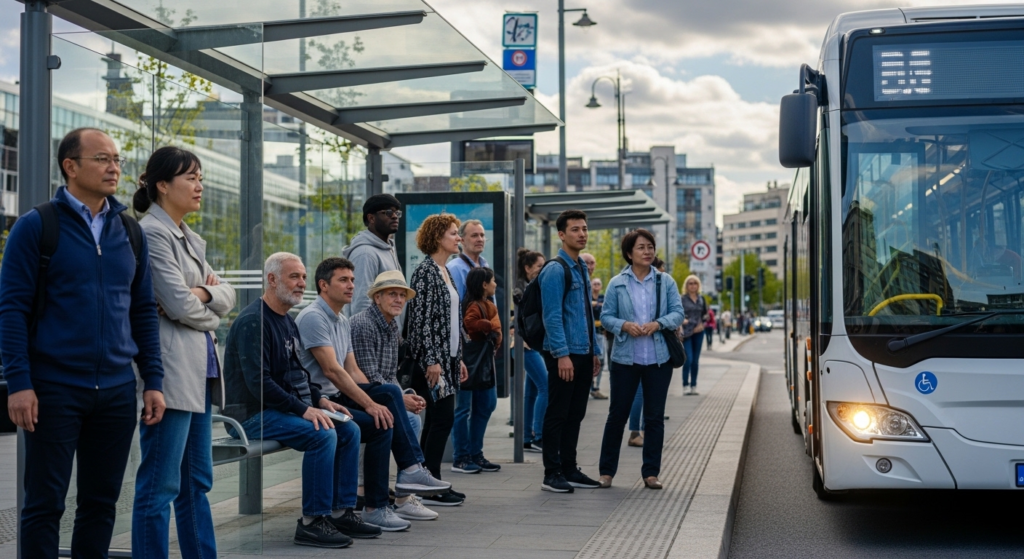
One of Singapore’s greatest strengths is its public transport system. The MRT (Mass Rapid Transit) subway network and extensive bus routes cover virtually every corner of the island, making car ownership entirely unnecessary for the vast majority of residents. A single MRT or bus journey costs between SGD 1.00 and SGD 2.50 depending on distance, and using an EZ-Link stored-value card makes payments seamless.
For those who commute daily, a monthly transport pass or consistent EZ-Link top-ups will bring your transport costs to roughly SGD 80 to SGD 150 per month. Students can benefit from a monthly concession pass priced at around SGD 100 for unlimited train and bus travel. If you occasionally take a Grab taxi or ride say once a week at SGD 25 per trip factor in an extra SGD 100 per month on top of your regular public transport spend.
Owning a car in Singapore is a completely different financial story. The Certificate of Entitlement, or COE, which is mandatory for vehicle ownership, can easily run into tens of thousands of Singapore dollars. When you add insurance, road tax, fuel, and parking, monthly car costs frequently exceed SGD 1,500 to SGD 2,500. For most people, especially newcomers, public transport is the clear and obvious choice.
4. Utilities & Internet
Utility costs in Singapore are moderate and predictable. Electricity, water, and gas bills are consolidated into a single monthly statement from SP Group, Singapore’s main utility provider. The current electricity tariff sits at 26.71 cents per kilowatt-hour (excluding GST) for Q1 2026, and a typical four-room HDB flat runs an average electricity bill of around SGD 100 per month. Water bills for the same flat size come in at roughly SGD 23 to SGD 50 monthly, depending on usage.
For a standard household, the total combined utility bill electricity, water, gas, and refuse removal typically falls between SGD 150 and SGD 300 per month. Internet is an additional but affordable expense: fibre broadband plans at 1 Gbps are available for SGD 30 to SGD 60 per month, while a basic SIM-only mobile plan costs as little as SGD 8 to SGD 12. Bundling internet, TV, and mobile into a single telco package from providers like Singtel or StarHub can bring the combined cost down further.
5. Healthcare & Insurance

Singapore’s healthcare system is among the best in the world, and that quality is reflected in the cost. For Singapore citizens and permanent residents, public polyclinics offer subsidised consultations and medication at very reasonable prices — a routine visit might cost SGD 10 to SGD 30. Private clinics and hospitals offer shorter wait times and a wider range of services, but at a noticeably higher price.
Expatriates and foreigners without local insurance coverage should budget for private health insurance as a priority. Annual premiums for a solid individual plan can range from SGD 2,000 to SGD 6,000 or more, depending on the level of coverage and age. On a monthly basis, that translates to roughly SGD 150 to SGD 500 set aside for healthcare and insurance combined. Emergency medical care is always available regardless of insurance status, but the bills without coverage can be substantial.
6. Education & Childcare
For families with children, education is one of the most significant and most variable cost categories. Singapore’s national public school system is excellent and highly affordable for citizens and permanent residents. However, most expatriate families opt for international schools, which offer continuity with curricula from their home countries.
International school fees in Singapore can range dramatically: from around SGD 1,500 per month for smaller or less prestigious schools, up to SGD 3,000 to SGD 5,000 or more per month at top-tier institutions. Kindergarten and childcare costs add another SGD 800 to SGD 1,500 monthly. These figures make education, after housing, the second most impactful expense for families with school-age children.
7. Entertainment & Lifestyle

Singapore offers a rich lifestyle with plenty of ways to spend and plenty of ways to enjoy it affordably. Weekend activities like visiting Gardens by the Bay, exploring the city’s many parks, attending community festivals, and enjoying free concerts cost little to nothing. A gym membership typically runs SGD 100 to SGD 400 per month depending on the facility.
Dining out socially, weekend trips, and nightlife add up, but these are lifestyle choices rather than necessities. A reasonable entertainment and personal spending budget for a single person living comfortably sits around SGD 200 to SGD 400 per month. Couples might spend SGD 300 to SGD 600, and families with active social lives and weekend outings could easily exceed SGD 600.
8. Full Monthly Budget
Now that we have examined each expense category in detail, it is time to bring everything together. The table below presents three realistic monthly budget profiles: a frugal single person living in shared or modest HDB accommodation, a comfortable couple in a decent two-bedroom space, and a family with children in a well-appointed home with international schooling. These figures are based on verified 2026 data and represent honest, liveable budgets not bare-minimum survival figures.
Full Monthly Budget Comparison Three Life Stages (SGD)
| Expense Category | Frugal (Single) | Comfortable (Couple) | Premium (Family) |
| Housing / Rent | SGD 800 | SGD 2,600 | SGD 4,500 |
| Food & Groceries | SGD 400 | SGD 700 | SGD 1,200 |
| Public Transport | SGD 80 | SGD 150 | SGD 200 |
| Utilities & Internet | SGD 100 | SGD 200 | SGD 350 |
| Healthcare / Insurance | SGD 50 | SGD 150 | SGD 400 |
| Education / Childcare | SGD 0 | SGD 400 | SGD 2,000 |
| Entertainment & Leisure | SGD 100 | SGD 300 | SGD 600 |
| Personal & Misc. | SGD 70 | SGD 200 | SGD 450 |
| MONTHLY TOTAL | SGD 1,600 | SGD 4,700 | SGD 9,700 |
9. Practical Tips to Reduce Your Monthly Expenses
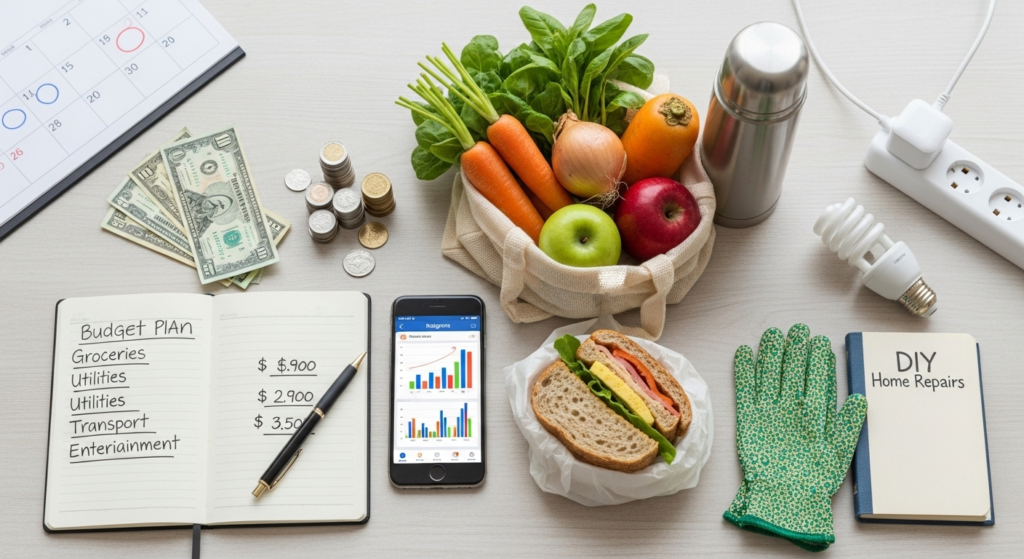
Living in Singapore does not have to drain your savings. Here are the most effective, tried-and-tested strategies that residents from students to seasoned expats use every day to keep costs under control:
- Live further from the CBD. Moving to heartland areas like Jurong, Woodlands, or Tampines can slash your rent by 25 to 40 percent while keeping you well-connected via MRT.
- Eat at hawker centres daily. A full meal for SGD 4 to SGD 8 is not just possible — it is the norm. Cook at home on weekends using groceries from Sheng Siong or NTUC FairPrice.
- Use public transport exclusively. Skip the car entirely and rely on MRT, buses, and the occasional Grab ride. Your monthly transport bill will stay under SGD 150 with ease.
- Compare electricity plans. Singapore has a liberalised electricity market. Switching providers through the Open Electricity Market can save you 10 to 20 percent on your electricity bill.
- Get health insurance early. Do not wait for an emergency. A solid insurance plan protects you from catastrophic costs and often includes routine check-ups at no extra charge.
- Explore free entertainment. Singapore is packed with free museums, parks, cultural events, and waterfront walks. You do not need to spend big to enjoy a high quality of life.
Conclusion
Singapore is undeniably one of the more expensive cities in the world, but it is also one of the most rewarding. The infrastructure is exceptional, the food scene is unrivalled, public transport is efficient and affordable, and the quality of life safety, cleanliness, healthcare, education is consistently among the best on the planet.
The key to thriving financially in Singapore is not avoiding spending altogether, but spending wisely. Live a little further from the centre, eat at hawker centres, ride the MRT, and plan your budget around the categories that truly matter to your lifestyle. With the right information and a realistic plan, Singapore becomes not just liveable but genuinely enjoyable, at every budget level.
FAQs
1.How much does it cost to live in Singapore per month in 2026?
The average cost of living in Singapore in 2026 ranges from SGD 2,500 to SGD 5,500 per month for a single person, depending on housing type, transport habits, and lifestyle. Those renting a private apartment in the city will be on the higher end, while people living in public housing and eating locally can spend much less.
2.Is Singapore expensive compared to other cities?
Yes. The cost of living in Singapore is higher than most Asian cities and comparable to London, New York, and Sydney. Housing, cars, and imported goods cost more, but lower income tax, excellent public transport, and high-quality services reduce the overall financial burden.
3.What is the biggest expense in Singapore?
Housing is the largest part of the cost of living in Singapore. Rent for private apartments can be 40–50 percent of monthly expenses. Public housing (HDB flats) and shared accommodation reduce this significantly.
4.How much is rent in Singapore in 2026?
In 2026, rent in Singapore averages SGD 800 to SGD 1,500 for a shared room, SGD 1,800 to SGD 3,500 for a one-bedroom flat, and SGD 3,500 to SGD 6,000+ for private condos in central areas.
5.How much do groceries and food cost?
Food costs vary widely. Eating at hawker centres costs SGD 6 to SGD 10 per meal, while groceries for one person average SGD 300 to SGD 600 per month. Dining in restaurants or ordering delivery regularly will raise your monthly spending.
6.Is healthcare expensive in Singapore?
Singapore’s healthcare is high quality and efficient. Public healthcare is affordable for residents, while private care is more expensive but still lower than in many Western countries. Health insurance is recommended to manage medical costs.
No Comment! Be the first one.