








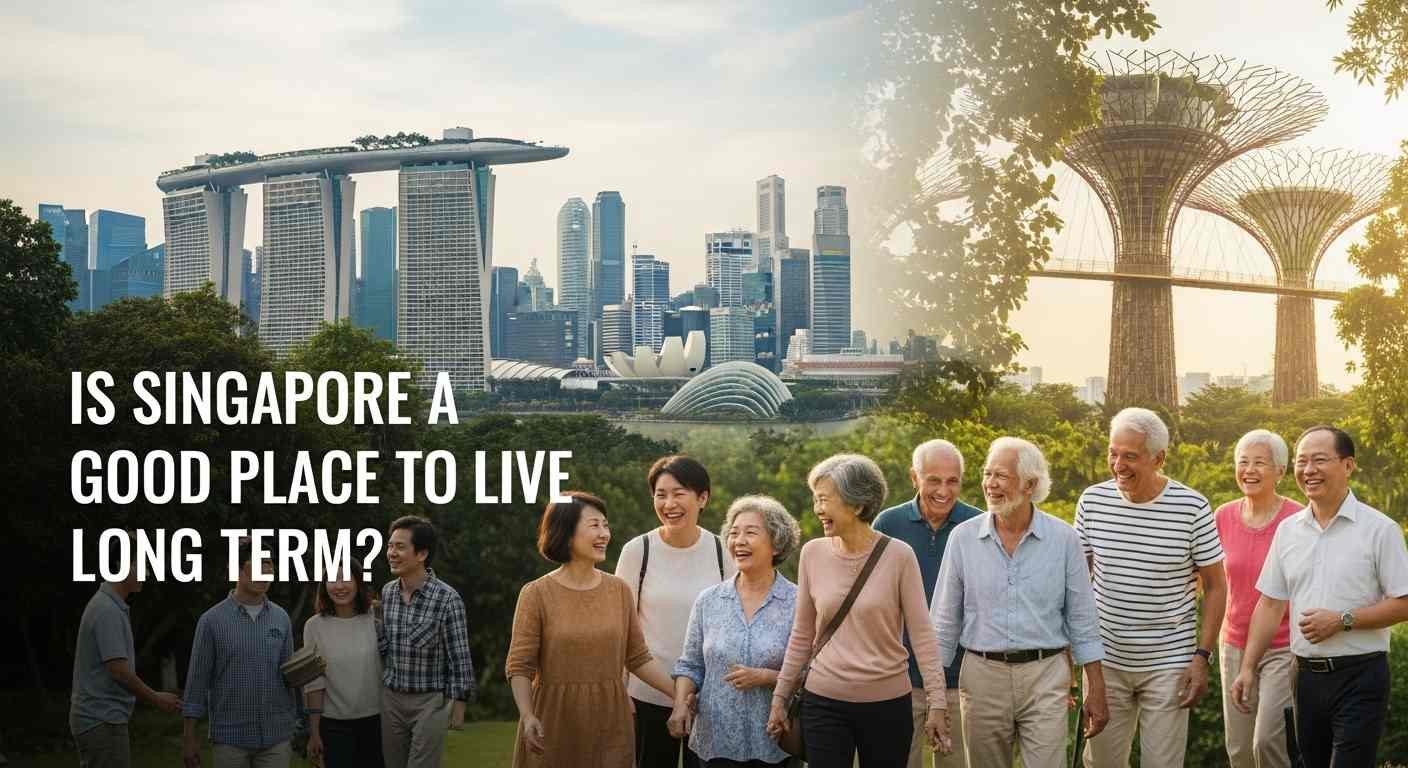
Singapore consistently ranks among the world’s most liveable cities, offering a unique blend of safety, efficiency, and economic opportunity that makes it an attractive destination for long term residence. With its strategic location in Southeast Asia, world class infrastructure, and stable political environment, the city-state has become home to over 1.5 million expatriates alongside its 3.5 million citizens. The question of whether Singapore is suitable for long-term living depends on your priorities while it excels in areas like healthcare, education, public safety, and career prospects, considerations such as high living costs, humid climate, and strict regulations are important factors to weigh.
Table Of Content
- The Singapore Advantage: Why People Choose the Lion City
- Safety and Security
- Economic Prosperity and Career Opportunities
- World Class Infrastructure
- The Challenges: What Makes Long Term Living Difficult
- The Cost of Living Conundrum
- Limited Space and Density
- Climate Considerations
- Cultural and Social Integration
- Financial Considerations for Long-Term Residents
- Education and Family Life
- Educational Options
- Family Friendly Amenities
- Immigration Pathways and Permanent Residence
- Healthcare: Quality vs. Cost
- Healthcare Quality
- Healthcare Costs
- Social Life and Cultural Experience
- The Expatriate Bubble
- Multicultural Richness
- Work Life Balance and Quality of Life
- The Verdict: Is Singapore Right for Long-Term Living?
- Conclusion
Is Singapore a Good Place to Live Long Term. Living in Singapore long term means experiencing one of Asia’s most cosmopolitan societies, where English is widely spoken, public transportation is exceptional, and the crime rate remains remarkably low. The country’s top-tier healthcare system, internationally recognized schools, and diverse food scene create a high quality of life that appeals to families and professionals alike. However, the financial reality of Singapore includes expensive housing, costly car ownership, and premium prices for many goods and services. Whether Singapore is the right choice for your long-term future ultimately depends on balancing these advantages against the challenges, your career goals, family needs, and personal preferences for lifestyle and culture.
The Singapore Advantage: Why People Choose the Lion City
Singapore’s appeal as a long-term residence stems from several compelling factors that set it apart from other Asian metropolises. The nation has consistently ranked among the top cities globally for quality of life, safety, and economic opportunity, making it an attractive destination for professionals, families, and retirees alike.
Safety and Security
One of Singapore’s most celebrated attributes is its exceptional safety record. The city-state boasts one of the lowest crime rates in the world, allowing residents to walk streets at any hour without significant concern. This pervasive sense of security extends beyond personal safety to include political stability and reliable governance. The efficient legal system and strict enforcement of laws create an environment where contracts are honored, property rights are protected, and daily life proceeds with predictable order.
Economic Prosperity and Career Opportunities
Singapore’s strategic position as a global financial center and regional headquarters for multinational corporations creates abundant opportunities for career advancement. The city attracts top-tier companies across sectors including finance, technology, pharmaceuticals, and logistics. For professionals seeking to build international careers, Singapore offers exposure to regional markets while maintaining Western business practices and English as a primary working language.
The competitive salaries, particularly in sectors like finance, consulting, and technology, often exceed those available in other Asian cities. Additionally, Singapore’s favourable tax regime with personal income tax rates capping at 22% and no capital gains tax—allows residents to retain more of their earnings compared to many Western countries.
World Class Infrastructure
Singapore’s infrastructure rivals and often surpasses that of cities with far longer histories of development. The Mass Rapid Transit (MRT) system provides clean, efficient, and affordable public transportation that connects virtually every corner of the island. Roads are well-maintained, and the city’s Changi Airport consistently ranks as the world’s best, offering unparalleled connectivity to destinations worldwide.
Healthcare facilities in Singapore meet international standards, with both public and private hospitals offering excellent medical care. The country’s healthcare system combines efficiency with quality, though costs can be substantial for those without proper insurance coverage.
The Challenges: What Makes Long Term Living Difficult

While Singapore offers numerous advantages, potential long-term residents must also grapple with significant challenges that can impact their quality of life and financial well-being.
The Cost of Living Conundrum
Singapore consistently ranks among the world’s most expensive cities, and this reputation is well-earned. Housing costs, in particular, can consume a substantial portion of monthly income. The majority of Singaporeans live in Housing Development Board (HDB) flats, which are government-subsidized housing available primarily to citizens and permanent residents. Expatriates typically rent private condominiums, where monthly rents for a modest two-bedroom unit can easily exceed $3,000 to $5,000 in central locations.
Beyond housing, everyday expenses add up quickly. Owning a car in Singapore is prohibitively expensive due to the Certificate of Entitlement (COE) system, which can cost upwards of $100,000 before even purchasing the vehicle itself. Dining out, entertainment, and imported goods all carry premium price tags that can strain budgets over time.
Limited Space and Density
With approximately 5.6 million people living on an island of just 728 square kilometers, Singapore is one of the world’s most densely populated places. This density translates to smaller living spaces, crowded public areas during peak hours, and limited opportunities to escape the urban environment. Those accustomed to spacious homes or easy access to nature may find the spatial constraints challenging over extended periods.
Climate Considerations
Singapore’s equatorial location means year-round heat and humidity, with temperatures hovering around 30-32°C (86-90°F) throughout the year. The lack of seasonal variation can become monotonous for those who enjoy distinct seasons. High humidity levels require constant air conditioning in homes and offices, contributing to elevated electricity costs and potential health concerns for those sensitive to temperature extremes.
Cultural and Social Integration
While Singapore is cosmopolitan and welcoming to foreigners, true social integration can prove challenging. The transient nature of the expatriate community means friendships may be temporary as colleagues and friends relocate for new opportunities. Additionally, while English is widely spoken, truly understanding Singaporean culture requires appreciation for the nation’s multicultural fabric and sometimes navigating subtle social hierarchies.
Financial Considerations for Long-Term Residents
Understanding the financial landscape is crucial for anyone considering Singapore as a long-term home. Here’s a detailed breakdown of typical costs and financial planning considerations:
| Expense Category | Monthly Cost Range (SGD) | Annual Cost (SGD) | Notes |
|---|---|---|---|
| Housing (Rent) | $2,500 – $6,000 | $30,000 – $72,000 | 2-3 bedroom condo; varies by location |
| Utilities | $150 – $300 | $1,800 – $3,600 | Electricity, water, internet |
| Groceries | $600 – $1,000 | $7,200 – $12,000 | For a couple; local markets vs supermarkets |
| Transportation | $120 – $300 | $1,440 – $3,600 | MRT/bus; car ownership adds $1,500-$2,500/month |
| Dining Out | $400 – $800 | $4,800 – $9,600 | Mix of hawker centers and restaurants |
| Healthcare Insurance | $200 – $500 | $2,400 – $6,000 | Comprehensive private coverage |
| Entertainment & Leisure | $300 – $600 | $3,600 – $7,200 | Gym, movies, activities |
| Education (per child) | $1,500 – $3,000 | $18,000 – $36,000 | International schools significantly higher |
| Total (without children) | $4,270 – $9,500 | $51,240 – $114,000 | Approximate range for couple |
Education and Family Life

For families considering long-term residence, education is often a primary concern. Singapore’s education system is highly regarded, with local schools producing consistently strong academic results. However, accessing this system as a foreigner can be complicated.
Educational Options
Local schools primarily serve Singaporean citizens and permanent residents, though some spaces may be available for foreigners on a case-by-case basis. International schools offer alternative education following various curricula (British, American, International Baccalaureate), but tuition fees can range from $20,000 to over $40,000 annually per child. These costs represent a significant financial commitment for long-term residents.
The quality of education in both local and international schools is generally excellent, with well-trained teachers, modern facilities, and strong emphasis on academic achievement. However, the competitive nature of Singapore’s education system can create pressure on children and families.
Family Friendly Amenities
Despite its urban density, Singapore offers numerous family-friendly attractions and amenities. Parks, playgrounds, museums, and recreational facilities are abundant and well-maintained. The city’s safety means children can enjoy relative freedom, and public spaces are generally clean and accessible.
Immigration Pathways and Permanent Residence
Understanding immigration options is essential for long-term planning in Singapore:
| Visa Type | Eligibility | Duration | Path to PR | Key Benefits |
|---|---|---|---|---|
| Employment Pass (EP) | Professionals earning >$5,000/month; qualified degree | 1-3 years, renewable | Yes, after 2+ years | Can bring dependents; job mobility |
| S Pass | Mid-skilled workers earning >$3,150/month | 1-3 years, renewable | Limited | Lower qualification threshold |
| Personalised Employment Pass (PEP) | High earners (>$22,500/month) | 3 years, non-renewable | Yes | Job flexibility; 6-month grace period |
| EntrePass | Entrepreneurs with innovative business | 1 year, renewable | Yes | Self-employment; business ownership |
| Permanent Residence (PR) | EP/S Pass holders, investors, students | Indefinite (renewable) | N/A – is PR | HDB eligibility; better healthcare rates |
| Long-Term Visit Pass | Dependents of pass holders | Tied to main pass | Through main applicant | Family reunification |
The path to permanent residence can be lengthy and uncertain, with approval rates varying based on economic conditions and government priorities. Even with PR status, maintaining it requires spending significant time in Singapore and demonstrating commitment to the nation.
Healthcare: Quality vs. Cost

Singapore’s healthcare system operates on a unique model that combines public subsidies with private options, creating a tiered system based on affordability and preference.
Healthcare Quality
Medical facilities in Singapore are world-class, with highly trained doctors, modern equipment, and excellent patient outcomes. Both public hospitals and private medical centers maintain high standards, and Singapore has become a regional hub for medical tourism, attracting patients seeking specialized treatments.
Healthcare Costs
While quality is high, so are costs particularly for foreigners without permanent residence. Expatriates typically require comprehensive health insurance, as medical bills can escalate quickly. A single hospital stay for a moderate condition can cost thousands of dollars, and chronic conditions requiring ongoing treatment demand careful financial planning.
Public hospitals offer subsidized rates for citizens and permanent residents, but foreigners pay full prices. Private hospitals and specialist clinics command premium fees that can exceed those in Western countries.
Social Life and Cultural Experience
Living long-term in Singapore means navigating a unique cultural landscape shaped by Chinese, Malay, Indian, and Western influences.
The Expatriate Bubble
Many long term foreign residents find themselves in what’s sometimes called the expat bubble socializing primarily with other foreigners, dining at international restaurants, and engaging with Singapore’s surface culture without deeper integration. While comfortable, this existence can feel somewhat insular and disconnected from authentic Singaporean life.
Multicultural Richness
Singapore’s diversity offers remarkable cultural experiences. Festivals throughout the year celebrate Chinese New Year, Hari Raya, Deepavali, and Christmas with equal enthusiasm. The food scene reflects this diversity, from hawker centers offering authentic local dishes for just a few dollars to high-end international restaurants.
However, Singapore also maintains certain conservative social norms and restrictions. Laws regarding public behavior, media consumption, and personal freedoms are stricter than in many Western countries, which can feel constraining to some residents over time.
Work Life Balance and Quality of Life

Singapore’s work culture tends toward intensity and long hours, particularly in sectors like finance and law. The concept of work-life balance is improving but still lags behind some European standards. Many professionals find themselves working 50-60 hour weeks, with after-hours emails and weekend work not uncommon.
However, the efficiency of daily life partially compensates for demanding work schedules. Quick commutes, reliable services, and abundant food options mean less time spent on mundane tasks. Weekends can be maximized for leisure, and Singapore’s central location makes regional travel accessible for regular getaways.
The Verdict: Is Singapore Right for Long-Term Living?
Determining whether Singapore suits long-term residence depends entirely on individual priorities, circumstances, and values.
Singapore Excels For:
- Career-focused professionals seeking international exposure and competitive compensation in a stable environment
- Families prioritizing safety and education who can afford international schooling or access local schools
- Those who value efficiency and order over spontaneity and cultural depth
- Asian cuisine enthusiasts who appreciate the incredible diversity and quality of food options
- Regional travelers who want a stable base with excellent connectivity to explore Asia
- People comfortable with urban density and limited personal space in exchange for world-class amenities
Singapore May Disappoint:
- Budget-conscious individuals unable to command high salaries, as the cost of living can be overwhelming
- Those seeking cultural immersion in a single, cohesive culture rather than a cosmopolitan blend
- Nature lovers and outdoor enthusiasts craving mountains, forests, or expansive natural spaces
- People who value personal freedom over collective order and strict regulations
- Families unable to afford international education who cannot access subsidized local schools
Conclusion
Long-term residence in Singapore represents a trade-off between exceptional safety, economic opportunity, and efficiency on one hand, and high costs, limited space, and cultural homogenization on the other. Success in Singapore often correlates with financial resources those earning high salaries can insulate themselves from many challenges through private housing, car ownership, international schools, and regular travel.
For many, Singapore serves best as a medium-term destination spending 3-7 years to advance careers, save money, and experience life in Asia before moving on. The transient nature of the expatriate community reflects this reality, with relatively few foreigners settling permanently compared to the number who pass through.
Ultimately, Singapore offers a unique proposition: a highly efficient, safe, and prosperous city-state that demands financial resources and adaptation in exchange for quality of life rarely found elsewhere in Asia. Whether this exchange proves worthwhile depends on your personal values, financial situation, and life stage. For some, it becomes a beloved home; for others, a valuable but temporary chapter in their life story.
The question isn’t simply whether Singapore is a good place to live long-term, but rather whether it’s the right place for you to build your future.
No Comment! Be the first one.