







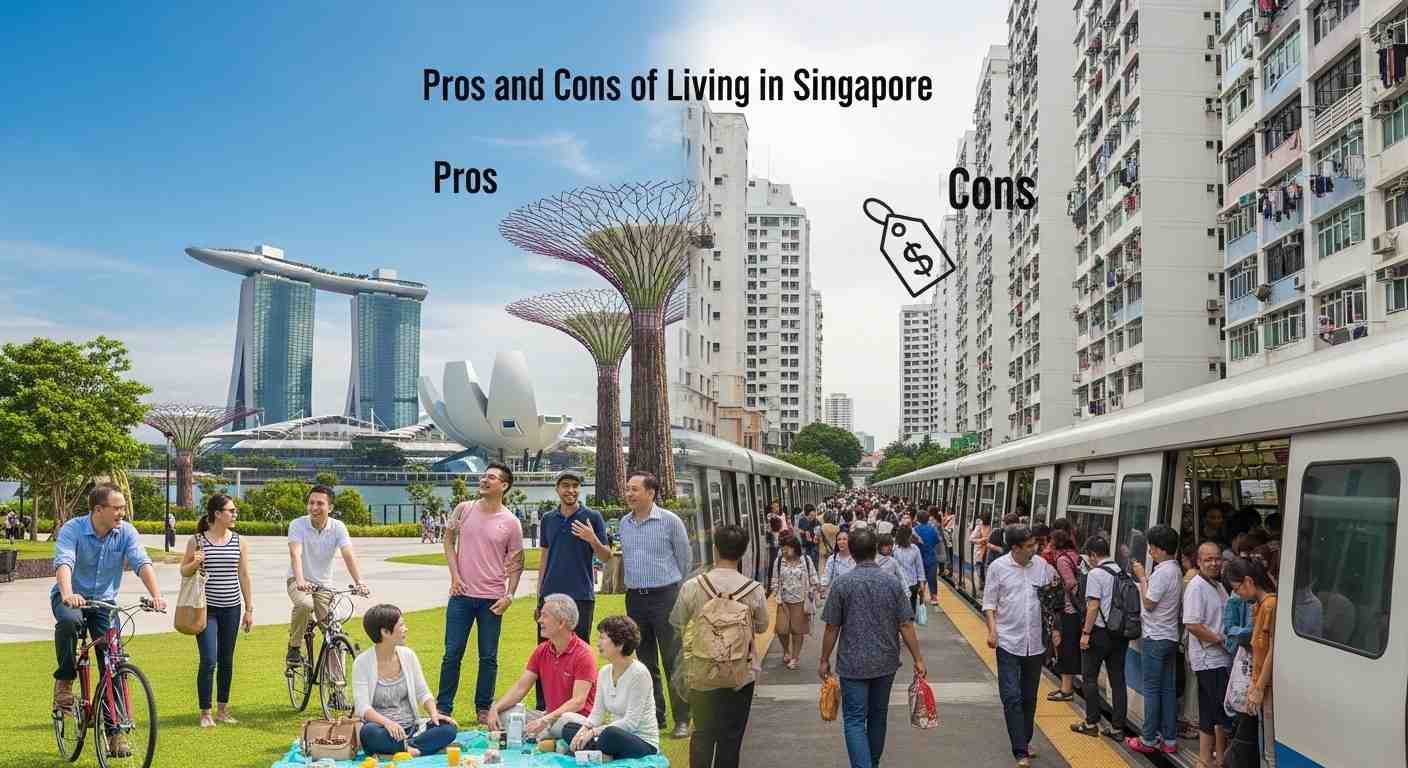
The pros and cons of living in Singapore reveal why this city state attracts millions while presenting unique challenges. Singapore offers exceptional safety, world class education and healthcare, efficient public transport, a thriving economy with excellent job opportunities, and a multicultural environment with diverse cuisine. However, it’s one of the world’s most expensive cities with high housing and car ownership costs, limited living space, relentless tropical heat and humidity, strict government regulations, and a competitive work culture that can affect work life balance.
Understanding the pros and cons of living in Singapore is essential for anyone considering relocation to this Southeast Asian hub. The advantages include political stability, low crime rates, tax friendly policies, top tier infrastructure, strategic location for regional travel, and clean, well maintained public spaces. The drawbacks encompass extremely high cost of living particularly for accommodation, small apartment sizes due to limited land, lack of seasonal weather variation, competitive social environment with kiasu mentality, restricted political freedoms, and challenges in achieving work life balance despite a strong economy.
Table Of Content
- The Advantages of Singaporean Life
- Economic Prosperity and Career Opportunities
- Safety and Security Beyond Compare
- World Class Infrastructure and Public Transportation
- Educational Excellence and Diversity
- Healthcare System That Works
- Cultural Diversity and Culinary Paradise
- Strategic Location for Regional Exploration
- The Challenges of Singaporean Life
- The Cost of Living Reality
- Limited Space and the Vertical Lifestyle
- Climate Challenges for Tropical Living
- Work Culture and Work Life Balance
- Social Pressure and the Kiasu Mentality
- Limited Political Freedom and Social Restrictions
- Cultural Adjustment and Social Integration
- Comparative Overview: Key Living Aspects
- Financial Considerations: Monthly Expenses
- Conclusion
The Advantages of Singaporean Life
Economic Prosperity and Career Opportunities
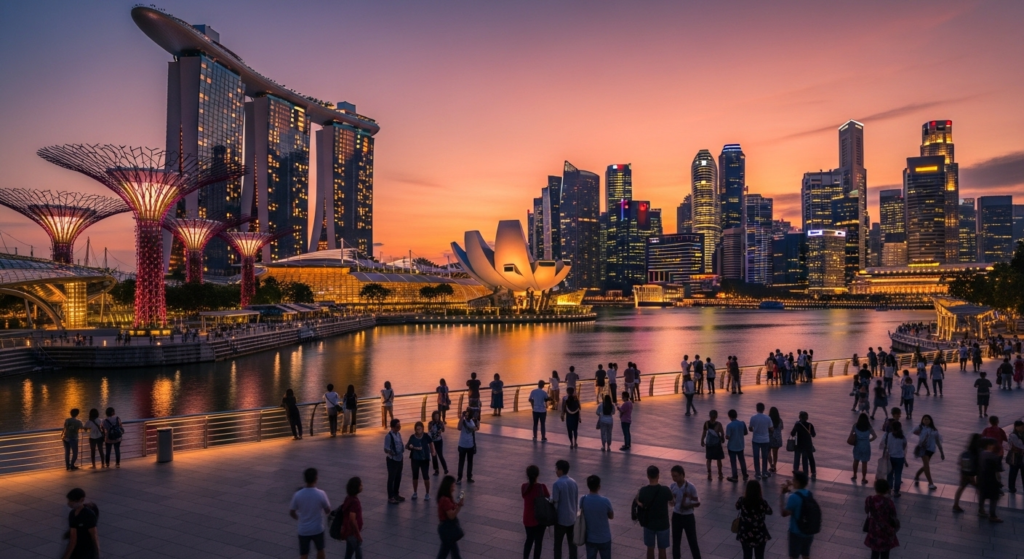
Singapore’s economy stands as one of the most robust in Asia, offering abundant opportunities across various sectors. The country has positioned itself as a global financial hub, with banking, fintech, and investment management sectors thriving within its borders. Major multinational corporations maintain their regional headquarters here, creating a competitive job market with attractive compensation packages.
The taxation system in Singapore is notably favorable compared to many Western countries. Personal income tax rates are progressive but capped at a relatively reasonable level, and there is no capital gains tax. This financial advantage allows residents to save and invest more of their earnings, building wealth more efficiently than they might elsewhere. The strong Singaporean dollar and stable economic policies provide additional financial security that residents appreciate.
Professional development opportunities abound in Singapore. The government actively invests in upskilling programs and encourages lifelong learning through various subsidies and initiatives. The multicultural business environment exposes professionals to diverse working styles and international best practices, enhancing their global competency and career prospects.
Safety and Security Beyond Compare
One of Singapore’s most celebrated attributes is its exceptional safety record. The city-state consistently ranks among the safest countries globally, with extremely low crime rates that allow residents to walk streets at any hour without significant concern. This security extends beyond violent crime to include low rates of petty theft, making it safe to leave belongings unattended in cafes or public spaces—a luxury uncommon in most major cities.
The strict legal system, often criticized for its severity, contributes significantly to this safe environment. Laws are enforced uniformly and predictably, creating a society where rules are respected and public order is maintained. For families, this translates to peace of mind when children use public transportation alone or stay out after dark, freedoms that parents in many countries cannot comfortably grant.
World Class Infrastructure and Public Transportation
Singapore’s infrastructure rivals and often surpasses that of much larger, wealthier nations. The Mass Rapid Transit (MRT) system is clean, efficient, and affordable, connecting virtually every corner of the island. Buses complement the rail network, and the entire public transportation system operates with impressive punctuality and reliability.
Beyond transportation, Singapore’s infrastructure excellence extends to healthcare facilities, educational institutions, and public amenities. Hospitals are equipped with cutting-edge technology and staffed by internationally trained professionals. Public spaces are meticulously maintained, with parks, libraries, and community centers distributed throughout residential areas.
The efficiency of public services is remarkable. Government agencies have embraced digitalization, allowing residents to complete most administrative tasks online through user-friendly portals. This commitment to efficiency minimizes bureaucratic frustrations and saves residents considerable time and effort.
Educational Excellence and Diversity
Singapore’s education system consistently ranks among the world’s best, making it an attractive destination for families with children. Both public and international schools maintain high standards, with students regularly achieving top scores in international assessments. The bilingual education policy ensures that children develop proficiency in English and a mother tongue, preparing them for our globalized world.
- Public schools follow a rigorous curriculum that emphasizes mathematics and science while maintaining strong humanities programs
- International schools offer various curricula including British, American, and International Baccalaureate programs
- Universities like the National University of Singapore and Nanyang Technological University rank among Asia’s finest institutions
- Numerous enrichment programs and extracurricular activities support holistic child development
The multicultural classroom environment exposes children to diverse perspectives and cultures from an early age, fostering global citizenship and cultural sensitivity that will serve them throughout their lives.
Healthcare System That Works
Singapore’s healthcare system achieves what many countries struggle with: providing high-quality medical care that remains accessible and relatively affordable. The hybrid public-private system combines government subsidies with personal health savings accounts (Medisave), creating a model that balances individual responsibility with collective support.
Medical facilities throughout Singapore maintain international standards, with many doctors having trained abroad and staff speaking multiple languages. Wait times for non-emergency procedures are reasonable, and emergency services respond promptly and professionally. The emphasis on preventive care and health screening helps residents maintain their wellbeing proactively rather than reactively.
Cultural Diversity and Culinary Paradise
Singapore’s multicultural fabric weaves together Chinese, Malay, Indian, and Western influences, creating a unique society where various traditions coexist harmoniously. This diversity manifests most deliciously in Singapore’s food scene, where hawker centers serve authentic cuisine from multiple cultures at remarkably affordable prices.
The culinary landscape ranges from humble food stalls to Michelin-starred restaurants. Hawker centers, designated as UNESCO Intangible Cultural Heritage, offer incredible meals for just a few dollars, while upscale dining options satisfy the most discerning palates. This gastronomic diversity means residents never tire of exploring new flavors and rarely miss the cuisine of their home countries.
Strategic Location for Regional Exploration
Singapore’s position in Southeast Asia makes it an excellent base for exploring the region. World-class Changi Airport, regularly voted the world’s best, connects Singapore to hundreds of destinations with competitive airfares. Weekend getaways to nearby Thailand, Malaysia, Indonesia, and Vietnam are not only possible but common, allowing residents to experience diverse cultures and landscapes without extensive travel time or expense.
The Challenges of Singaporean Life
The Cost of Living Reality
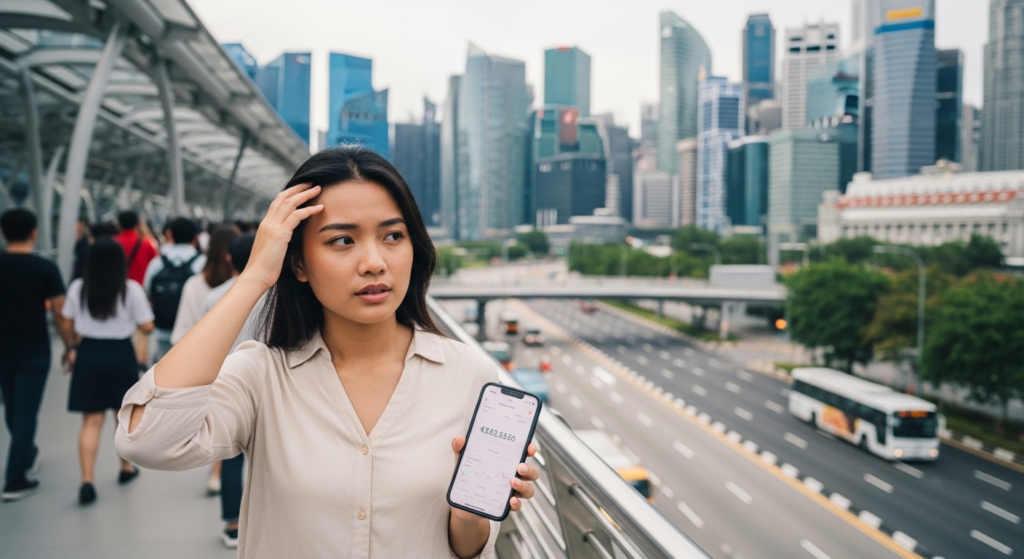
Perhaps the most significant drawback of living in Singapore is its high cost of living, particularly regarding housing and transportation. Singapore consistently ranks among the world’s most expensive cities, and these rankings reflect genuine financial pressures that residents face daily.
Housing costs dominate most families’ budgets. While the government provides subsidized public housing (HDB flats) for citizens, permanent residents and foreigners face steep prices in the private property market. Renting a modest apartment can consume a substantial portion of one’s income, and purchasing property requires significant capital that many find difficult to accumulate.
- Private condominium rentals typically start at SGD 3,000-4,000 monthly for smaller units
- Landed property and larger apartments command significantly higher prices
- Utilities, internet, and maintenance fees add several hundred dollars monthly
- Furniture and appliances are expensive due to import costs
Transportation costs also add up quickly for those who own vehicles. Singapore’s efforts to control traffic congestion through high taxes and fees make car ownership a luxury reserved for the wealthy. Certificate of Entitlement (COE) costs alone can exceed SGD 100,000 before even purchasing the vehicle itself.
Limited Space and the Vertical Lifestyle
Singapore’s land scarcity shapes daily life in ways that can feel constraining, especially for those accustomed to spacious living arrangements. Most residents live in high-rise apartments with limited square footage, and private outdoor space is a rare luxury. Gardens, basements, and garages are virtually non-existent for the majority of the population.
This spatial constraint affects more than just living quarters. Shopping malls and indoor activities dominate leisure time because outdoor recreational space, while well-maintained, is limited. Those who enjoy hiking, camping, or simply spending time in nature may find Singapore’s options repetitive after a while.
The constant presence of crowds in a densely populated city can also wear on residents. Public transportation during peak hours is packed, popular restaurants require lengthy waits, and finding moments of solitude requires intentional effort. This lack of personal space extends to social interactions, where privacy can be limited in multi-story residential buildings with shared amenities.
Climate Challenges for Tropical Living
Singapore’s equatorial climate means hot, humid weather year-round with no distinct seasons. While consistent weather simplifies wardrobe choices, the relentless heat and humidity can become mentally and physically taxing. Temperatures rarely drop below 25°C (77°F) or rise above 33°C (91°F), but the high humidity makes the heat feel more oppressive.
Outdoor activities require careful planning to avoid heat exhaustion. The intense sun and humid conditions make afternoon outdoor exercise uncomfortable for many, limiting when residents can enjoy parks and sports facilities comfortably. Air conditioning becomes a necessity rather than a luxury, driving up electricity costs and creating a cycle of indoor living that some find stifling.
The lack of seasonal change can also create a sense of monotony. Many people appreciate the psychological markers that seasons provide—the renewal of spring, the leisure of summer, the coziness of autumn, the introspection of winter. Without these natural rhythms, some residents report feeling that time passes without clear delineation, leading to a subtle sense of temporal disorientation.
Work Culture and Work Life Balance

Despite Singapore’s economic success, the work culture can be demanding and competitive. Long working hours are common across many industries, and the “hustle culture” mentality prevails in numerous workplaces. Employees often feel pressure to demonstrate commitment through extended hours and constant availability, sometimes at the expense of personal time and family relationships.
The competitive environment extends beyond the workplace into social spheres, where discussions often revolve around career advancement, property investments, and children’s academic achievements. This materialistic and achievement-oriented culture can feel exhausting for those who prioritize different values or seek a more relaxed lifestyle.
- Typical working hours often extend beyond the standard 9-to-5 schedule
- Annual leave entitlements are often less generous than European standards
- Career advancement often requires continuous upskilling and certification
- Workplace hierarchy and formality remain important in many organizations
Social Pressure and the Kiasu Mentality
Singapore’s society exhibits what locals call kiasu mentality a Hokkien term roughly translating to fear of losing out. This competitive mindset manifests in various aspects of daily life, from queuing for popular restaurants to securing school placements for children. The constant comparison and competition can create social pressure that some find stressful and unhealthy.
Parents often feel compelled to enroll children in multiple enrichment classes and tuition programs to keep pace with peers, sometimes overwhelming young students and reducing family quality time. The emphasis on academic excellence and measurable achievements can overshadow other important aspects of child development such as creativity, independence, and emotional intelligence.
Limited Political Freedom and Social Restrictions
Singapore’s government maintains strict control over many aspects of public life, from media regulation to public assembly. Freedom of speech is more restricted than in many Western democracies, with laws against sedition and defamation that critics argue stifle open debate and dissent. Political opposition exists but faces challenges in gaining significant representation or influence.
Social regulations extend to personal behavior in ways that some find overly restrictive. Laws govern chewing gum sales, litter, smoking locations, and even certain aspects of online behavior. While these regulations contribute to Singapore’s cleanliness and orderliness, they can feel paternalistic to those who value personal freedom and individual choice.
The limited space for civil society and grassroots activism means that residents have fewer opportunities to influence policy or advocate for change compared to more democratic societies. For those passionate about political engagement or social activism, this environment can feel constraining and frustrating.
Cultural Adjustment and Social Integration
Despite Singapore’s multicultural population, expatriates and new residents often find genuine social integration challenging. Established social networks can be difficult to penetrate, and friendships sometimes remain superficial despite Singapore’s friendly surface. The transient nature of the expatriate community means that relationships constantly shift as people relocate, creating a sense of impermanence in social connections.
Cultural differences in communication styles, humor, and social expectations can lead to misunderstandings or feelings of isolation. Local Singaporeans sometimes perceive foreigners as temporary visitors rather than permanent community members, creating subtle barriers to full acceptance. Building deep, lasting friendships requires time and persistent effort that not everyone successfully invests.
Comparative Overview: Key Living Aspects
| Category | Advantages | Disadvantages |
|---|---|---|
| Housing | High-quality apartments with modern amenities; safe residential areas; excellent maintenance | Extremely expensive rent and purchase prices; limited space; lack of landed property options for most residents |
| Transportation | Efficient MRT and bus systems; excellent road infrastructure; accessible taxis and ride-sharing | Prohibitively expensive car ownership; crowded public transport during peak hours; limited cycling infrastructure |
| Food & Dining | Incredible variety from affordable hawker centers to fine dining; authentic multicultural cuisine; generally safe food handling | Restaurant dining can be expensive; limited options for certain international cuisines; some areas lack nearby food options |
| Climate | Consistent weather simplifies planning; no need for seasonal wardrobes; year-round outdoor activities possible | Relentlessly hot and humid; no seasonal variety; frequent rain showers; harsh sun exposure |
| Education | World-class schools and universities; bilingual education; safe school environments | Highly competitive academic environment; expensive international schools; exam-focused culture creates pressure |
| Healthcare | Excellent medical facilities; short wait times; English-speaking doctors; emphasis on preventive care | Can be expensive without proper insurance; public hospitals have longer waits for subsidized care; mental health services limited |
Financial Considerations: Monthly Expenses
| Expense Category | Budget Range (SGD) | Notes |
|---|---|---|
| Housing (Rental) | 2,500 – 8,000+ | HDB flats cheaper for citizens/PRs; condos start around 3,000; location significantly affects price |
| Utilities & Internet | 150 – 300 | Air conditioning is the major electricity cost; internet and mobile plans are competitive |
| Groceries | 400 – 800 | Imported goods expensive; wet markets and local products more affordable; family size affects costs |
| Transportation | 100 – 300 | MRT/bus passes very affordable; car ownership adds thousands monthly in payments, insurance, parking, and fuel |
| Dining Out | 300 – 1,000+ | Hawker centers offer meals from $3-5; restaurant dining $20-50+ per person; alcohol significantly increases costs |
| Healthcare Insurance | 200 – 600 | Varies by age, coverage level, and pre-existing conditions; employer-provided insurance common |
| Entertainment & Leisure | 200 – 600 | Movie tickets, gym memberships, hobbies; can vary greatly based on lifestyle choices |
| Education (per child) | 0 – 3,000+ | Public schools affordable for citizens/PRs; international schools $20,000-40,000 annually |
Conclusion
Living in Singapore offers a unique combination of opportunities and constraints that appeal to different people in different ways. The decision to relocate here should balance professional opportunities against lifestyle preferences, financial capabilities against quality of life priorities, and short-term goals against long-term aspirations.
For young professionals and career focused individuals, Singapore offers an unparalleled environment for professional growth, networking, and wealth accumulation. The sacrifice of space and perhaps some personal freedoms may feel worthwhile in exchange for career advancement and financial success.
For families with children, the safe environment and excellent education system provide compelling reasons to choose Singapore, though the competitive culture and high costs require careful consideration. Parents should reflect on whether the educational advantages outweigh the pressure-cooker environment that can accompany them.
For retirees or those seeking a slower pace of life, Singapore may present more challenges than benefits. The high costs, limited space, and achievement-oriented culture may not align with priorities during this life stage, though the excellent healthcare and safety offer significant advantages.
Ultimately, prospective residents should visit Singapore for extended periods, speak honestly with current residents about their experiences, and carefully assess their own values and priorities before making this significant life decision. Understanding both the advantages and challenges thoroughly enables informed decision-making that accounts for personal circumstances and individual preferences.
Singapore is neither paradise nor prison it is a unique city state with distinctive characteristics that suit some people wonderfully while leaving others feeling constrained. The key to success here lies in entering with realistic expectations, maintaining flexibility, and recognizing that what works for others may not work for you, and vice versa. Those who thrive in Singapore typically share certain traits: they value efficiency and order, adapt well to different cultures, focus on career and financial success, and find creative ways to carve out personal space and meaning within a structured society. If these descriptions resonate with your personality and priorities, Singapore may prove to be an excellent home for your next chapter.
No Comment! Be the first one.