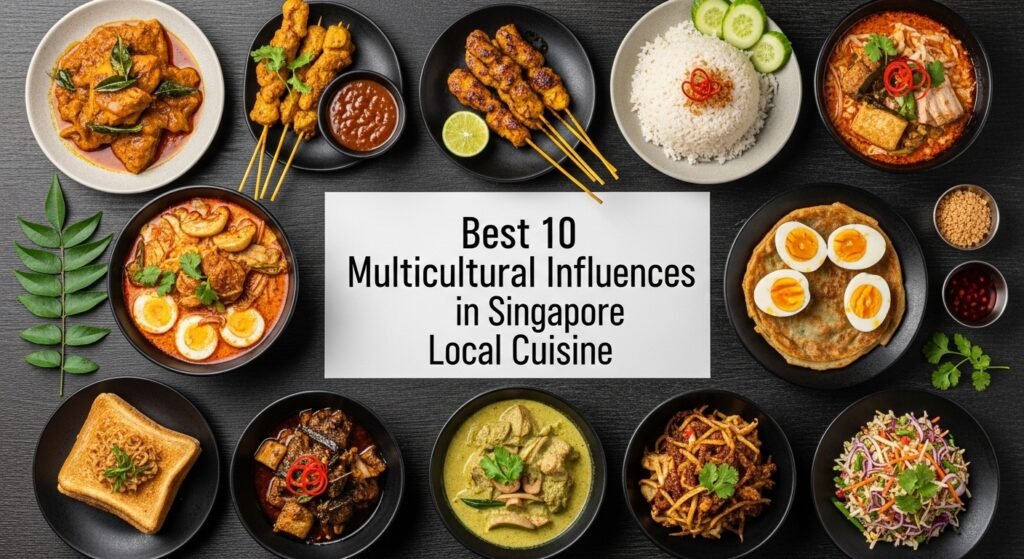
Singapore local cuisine is a unique blend of Chinese, Malay, Indian, and Peranakan food traditions that developed through centuries of migration and trade. Unlike many national cuisines that follow one dominant style, Singapore food is built on flavour layering, where sweet, spicy, sour, and savoury elements work together in balance. This multicultural foundation makes Singapore local cuisine both complex and easy to enjoy, which is why dishes from hawker centres to modern restaurants are recognised worldwide for their depth, freshness, and comfort.
What makes Singapore local cuisine stand out is how it is designed for everyday life in a tropical, fast-moving city. Recipes use light sauces, aromatic herbs, controlled spice, and high heat cooking to create meals that feel satisfying without being heavy. From laksa and chicken rice to nasi lemak and char kway teow, Singapore’s food culture reflects a living history where multiple cultures came together to form one of the most diverse and refined culinary identities in the world.
Why Singapore Became a Multicultural Food Capital
Singapore’s food diversity did not happen by accident. It developed because Singapore was one of Asia’s busiest trading ports for over two centuries. Merchants, migrants, and workers arrived from China, India, the Malay Archipelago, the Middle East, and Europe. They brought their families, cooking traditions, ingredients, and techniques.
Unlike many countries where immigrant food stayed separate, Singapore forced cultures to mix. People lived in dense neighbourhoods, shared markets, and cooked in close quarters. Over time, ingredients crossed borders, recipes evolved, and a hybrid food identity was born.
This is why Singapore food feels layered rather than single-note. Every dish carries multiple histories, and you can explore more examples in our guide on unique cuisine.
The Core Flavour System of Singapore Cuisine
| Flavour Layer | Cultural Source | Purpose |
|---|---|---|
| Sweet | Chinese, Malay | Softens spice and acidity |
| Spicy | Indian, Malay | Adds heat and warmth |
| Sour | Malay, Peranakan | Brightens heavy dishes |
| Savoury | Chinese, Japanese | Adds depth and umami |
| Aromatic | Southeast Asian | Creates fragrance and freshness |
Comarison Table Of Best 10 Multicultural Influences in Singapore Local Cuisine
| No. | Culture | What It Contributed | Key Ingredients & Techniques | How It Shaped Singapore Food |
|---|---|---|---|---|
| 1 | Chinese | Noodles, stir frying, soy flavours | Wok cooking, soy sauce, noodles, broth | Formed the base of hawker dishes like chicken rice and char kway teow |
| 2 | Malay | Coconut, chilli, herbs | Sambal, lemongrass, turmeric, coconut milk | Created fragrant, spicy and rich dishes like nasi lemak and satay |
| 3 | Indian | Curry and spice blending | Masala, cumin, coriander, lentils | Added warmth, depth and slow-cooked gravies to local food |
| 4 | Peranakan | Fusion of Chinese and Malay | Rempah spice paste, coconut, fermented sauces | Produced iconic dishes like laksa and ayam buah keluak |
| 5 | Indonesian | Grilling and bold spice | Peanut sauce, chilli, charcoal grilling | Influenced satay, fried snacks, and strong flavours |
| 6 | Thai | Sour and herbal balance | Lime, fish sauce, fresh herbs | Brought brightness and freshness to spicy dishes |
| 7 | Japanese | Umami and light broths | Dashi, soy, seafood precision | Refined flavours and added depth without heaviness |
| 8 | Arab & Middle Eastern | Spices and rice dishes | Cardamom, lamb, rice pilaf | Enriched Muslim and Malay cooking styles |
| 9 | European | Baking and dairy | Bread, butter, pastries | Introduced cafés, Western Asian fusion, and desserts |
| 10 | Modern Global | New food trends | Korean, Western, fusion techniques | Keeps Singapore cuisine evolving while staying balanced |
1. Chinese Influence
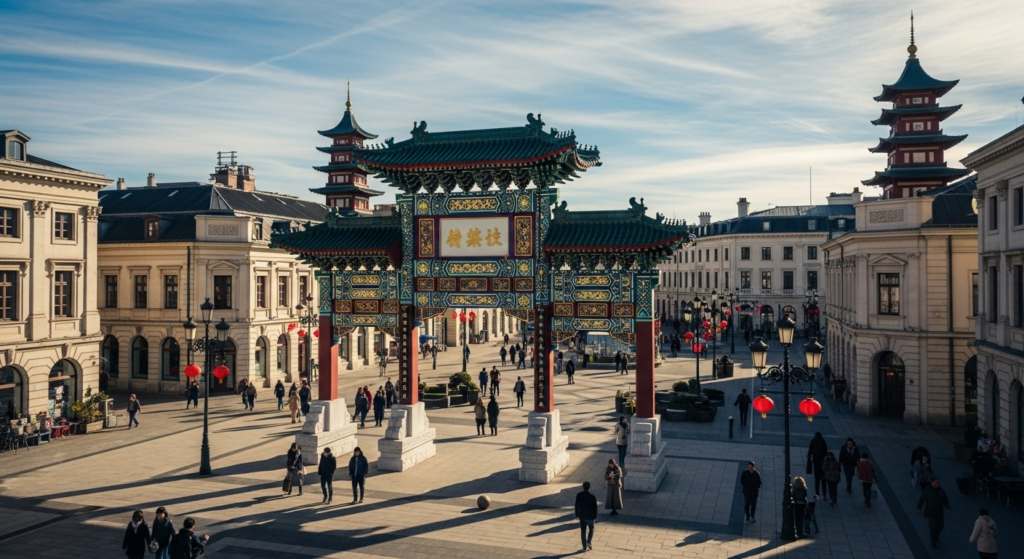
Chinese culture forms the foundation of Singapore’s local cuisine through noodles, stir frying, soy-based sauces, and soup traditions. Techniques like wok cooking and ingredients such as oyster sauce, dark soy, and fermented bean pastes give many Singapore dishes their savoury depth and comforting familiarity, seen in classics like chicken rice, char kway teow, and bak chor mee.
Chinese cuisine gave Singapore:
- Wok cooking
- Noodle culture
- Soy based sauces
- Dim sum
- Roast meats
Iconic Singapore dishes like chicken rice, char kway teow, and bak chor mee are rooted in Chinese techniques.
2. Malay Influence
Malay cuisine introduced coconut milk, sambal, turmeric, lemongrass, and aromatic herbs, which added fragrance, richness, and controlled spice to Singapore food. This influence created iconic dishes such as nasi lemak, satay, and rendang, giving Singapore cuisine its warm, tropical flavour profile.
Malay influence added:
- Coconut-based gravies
- Chilli pastes
- Grilled meats
- Fragrant herbs
Dishes like nasi lemak, satay, and rendang are pillars of Singapore food.
3. Indian Influence
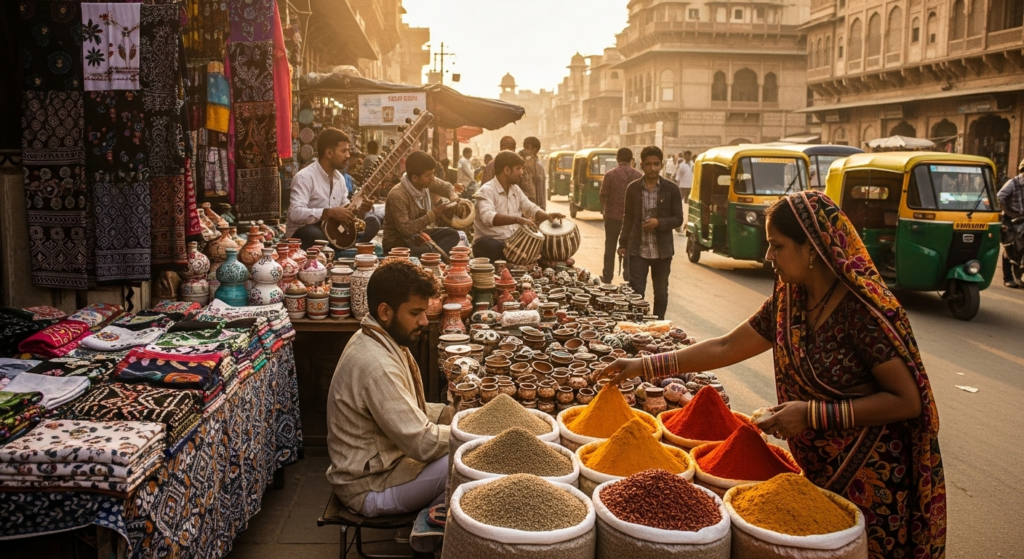
Indian cooking brought complex spice blends, slow cooked curries, lentils, and flatbreads that added depth and warmth to Singapore’s food culture. Ingredients like cumin, coriander, chilli, and garam masala shaped dishes such as fish head curry and roti prata, making spice a key part of Singapore flavour balance.
Indian cuisine contributed:
- Curry powders
- Masala blends
- Lentils
- Flatbreads like roti prata
You can see how these bold flavours still feel balanced in everyday eating, which we explain in food tastes different. Fish head curry and biryani are now Singapore classics.
4. Peranakan Influence
Peranakan cuisine, which blends Chinese and Malay traditions, created some of Singapore’s most distinctive flavours by combining Chinese techniques with Malay spices and coconut based gravies. This fusion produced dishes like laksa and ayam buah keluak, which are now central to Singapore’s food identity.
It created:
- Laksa
- Ayam buah keluak
- Rempah spice pastes
- Sweet-savory balance
Peranakan food is where Singapore’s flavour identity truly crystallised.
5. Indonesian Influence

Indonesian cooking influenced Singapore cuisine through bold spices, peanut sauces, grilled meats, and fried snacks. Flavours from dishes like satay, sambal, and nasi goreng helped strengthen Singapore’s taste for smoky, spicy, and slightly sweet profiles.
It contributed:
- Peanut sauces
- Satay styles
- Fried snacks
- Strong chilli blends
Many hawker favourites come directly from Indonesian roots.
6. Thai Influence
Thai cuisine contributed fresh herbs, lime, fish sauce, and a sharper balance of sour and spicy flavours, adding brightness to Singapore dishes. This influence helped make local food feel lighter, fresher, and more aromatic while still remaining rich and satisfying.
It added:
- Lime
- Fish sauce
- Fresh herbs
- Spicy soups
These flavours enhanced Singapore’s already complex taste profile.
7. Japanese Influence

Japanese food added refined umami flavours, light broths, and precise seafood preparation, which brought subtlety and balance to modern Singapore cuisine. Ramen, donburi, and sushi have become popular while also influencing local cooking styles.
Japanese food influenced modern Singapore cuisine through:
- Umami techniques
- Light broths
- Seafood preparation
- Bento and ramen culture
This made Singapore food more refined and globally appealing.
8. Arab & Middle Eastern Influence
Arab traders introduced spices like cardamom, cloves, and cinnamon, along with rice dishes and lamb-based recipes, which shaped Malay Muslim cooking in Singapore. These flavours added warmth and richness to the local food culture.
Arab traders introduced:
- Spices like cardamom
- Lamb dishes
- Rice pilafs
- Sweet desserts
These flavours shaped Malay and Indian Muslim cooking in Singapore.
9. European Influence

European and British colonial influences introduced baking, bread, butter, and café culture, which blended with Asian flavours to create Singapore’s Western Asian fusion dishes and modern food scene.
British colonial rule introduced:
- Baking
- Bread
- Butter
- Western dining
This led to Singapore’s café culture and Western Asian fusion dishes.
10. Modern Global Influence
Modern global influence has brought Korean, Western, and international food trends into Singapore’s local cuisine, adding new flavours and cooking styles without replacing traditional dishes. This keeps Singapore food fresh and relevant while still respecting its multicultural roots.
Through social media, travel, and global trade, Singapore constantly absorbs new ideas, allowing its cuisine to evolve with changing tastes. This makes Singapore one of the few places where tradition and modern food culture exist in perfect balance. Singapore still stays rooted in hawker culture, which is why UNESCO hawker centres recognition matters so much.
Why Singapore Food Feels So Balanced
Singapore cuisine never goes too far in one direction. Spice is softened by sweetness. Sour cuts through fat. Savoury anchors everything.
This makes it:
- Comfortable
- Addictive
- Easy to eat daily
That balance is the gift of multicultural blending.
Why Tourists Love Singapore Food
Tourists often say Singapore food tastes better because:
- It is layered
- It is not overwhelming
- It feels carefully crafted
They are tasting centuries of cultural blending in every bite.
The Global Reputation of Singapore Cuisine
Singapore’s food scene is now world famous because it offers:
- Street food quality
- Restaurant level flavour
- Cultural authenticity
UNESCO even recognised Singapore hawker culture as world heritage.
Conclusion
Singapore local cuisine is one of the clearest examples of how multicultural history can create something truly original. Chinese, Malay, Indian, Peranakan, and global influences did not remain separate in Singapore. Instead, they blended through shared markets, hawker centres, and everyday cooking, forming a food culture that is layered, balanced, and deeply connected to the country’s identity. Each culture contributed techniques, spices, and ingredients that together shaped dishes that are both comforting and exciting.
What makes Singapore food special is not just variety, but harmony. Sweet, spicy, sour, savoury, and aromatic flavours work together rather than compete. This balance allows Singapore cuisine to be eaten daily while still feeling rich and memorable. As the country continues to welcome new cultures and ideas, its local food will keep evolving, but the multicultural foundation that defines Singapore’s flavour will always remain at its core.
FAQs
1. Why is Singapore local cuisine so multicultural?
Singapore developed as a global trading port where people from China, India, the Malay Archipelago, and beyond lived and cooked together, blending their food traditions.
2. Which cultures influence Singapore food the most?
Chinese, Malay, Indian, and Peranakan influences are the strongest foundations of Singapore’s local cuisine.
3. What makes Peranakan food unique?
Peranakan cuisine blends Chinese cooking techniques with Malay spices and coconut-based flavours, creating dishes like laksa and ayam buah keluak.
4. Why does Singapore food feel so balanced?
Singapore dishes combine sweet, sour, spicy, and savoury flavours in one meal, creating harmony instead of overpowering taste.
5. How did hawker culture shape Singapore cuisine?
Hawker centres brought different cultures together, allowing recipes and techniques to mix and evolve into everyday Singapore food.
6. Is Singapore cuisine still changing?
Yes. While its multicultural roots remain, Singapore continues to absorb global food trends, keeping its cuisine modern and dynamic.