Hawker centres in Singapore were officially recognised by UNESCO as an Intangible Cultural Heritage of Humanity, highlighting their deep role in the country’s identity, food culture, and community life. These vibrant open-air food courts are more than places to eat they represent a living heritage where generations of hawkers preserve traditional recipes, culinary skills, and the spirit of affordable local dining. From iconic dishes like Hainanese chicken rice and laksa to lesser-known regional delicacies, Singapore’s hawker centres reflect the multicultural roots of Chinese, Malay, Indian, and Peranakan communities, making them a cornerstone of the nation’s social and gastronomic landscape.
Today, the UNESCO recognition of Singapore’s hawker culture strengthens its global reputation as one of the world’s most unique and accessible street food ecosystems. Hawker centres serve as everyday gathering spaces where people from all walks of life connect over shared meals, sustaining a culture of inclusivity, craftsmanship, and heritage preservation. Whether you are a tourist exploring authentic Singaporean cuisine or a local continuing a lifelong tradition, Singapore Hawker Centres embody the true essence of Singapore’s food heritage now celebrated and protected at an international level through UNESCO’s cultural heritage list.
What Are Singapore Hawker Centres
Singapore hawker centres are government regulated open air food complexes where independent vendors sell a wide range of local dishes. These centres were created in the 1970s to replace roadside hawkers, improving hygiene and organization while keeping the tradition alive.
Each hawker centre houses dozens or even hundreds of stalls, offering dishes like chicken rice, laksa, nasi lemak, satay, roti prata, and char kway teow. Prices are affordable, making hawker centres a popular dining choice for locals and tourists alike. If you are visiting Singapore for the first time, you might also enjoy our list of the 14 best Singapore foods for tourists
Key Features of Singapore Hawker Centres
| Feature | Description |
|---|---|
| Type | Open-air community food courts |
| Cuisine | Chinese, Malay, Indian, Peranakan & Western |
| Pricing | Budget-friendly meals for all |
| Management | Regulated by the National Environment Agency (NEA) |
| Purpose | Promote hygiene, community dining & cultural preservation |
Why UNESCO Recognized Hawker Culture in Singapore
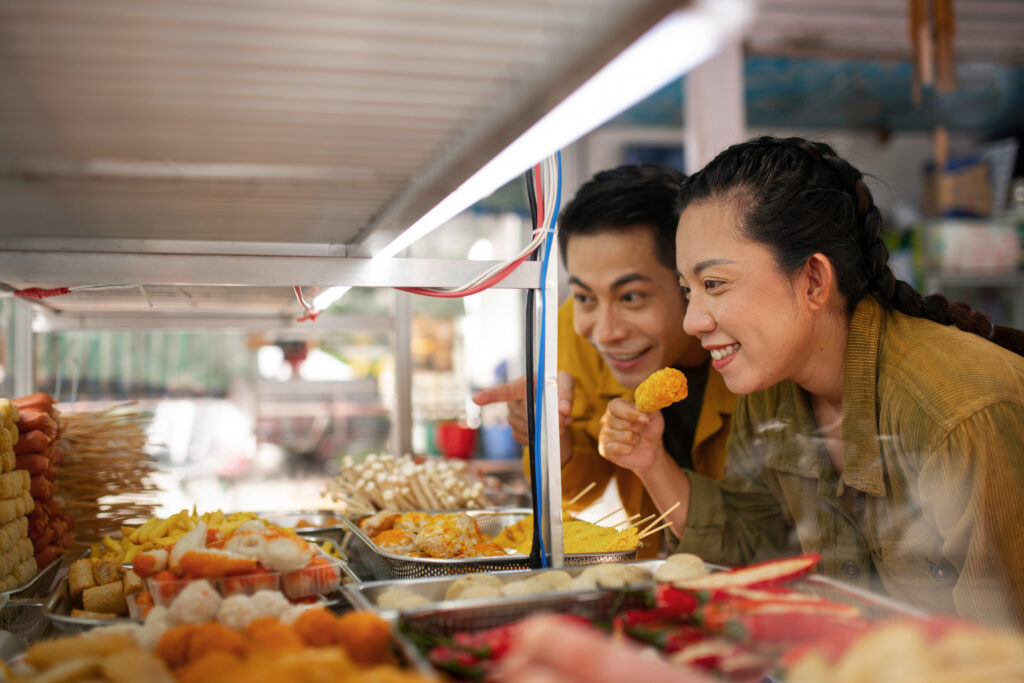
UNESCO recognized hawker culture because it represents Singapore’s shared identity. Hawker centres are places where people of all races gather to eat, socialize, and celebrate traditions. This makes hawker culture a vital part of Singapore’s intangible heritage.
The recognition was awarded in December 2020, acknowledging how hawker centres preserve food traditions, support small businesses, and encourage social harmony. Singapore became the first country in the world to have its street food culture officially recognized by UNESCO.
Hawker Centres Are Singapores Social Dining Spaces
Hawker centres are where Singaporeans gather daily to eat, talk, and connect. These open air food courts are more than places to dine they function as community hubs for families, students, and workers.
People from every background share tables, making hawker centres one of the most inclusive social spaces in Singapore. This daily interaction keeps the country’s communal dining culture alive.
Hawker Culture Represents Singapores Multicultural Heritage
Singapore’s hawker food reflects the country’s blend of Chinese, Malay, Indian, and Peranakan influences. Each dish tells a story about the people who brought their culinary traditions to the island.
Because these cultures share one space, hawker centres symbolise harmony and coexistence. This is why hawker culture is often seen as a living example of Singapore’s multicultural identity.
Popular Hawker Dishes and Their Cultural Origins
| Dish | Cultural Origin | Description |
|---|---|---|
| Chicken Rice | Chinese | Poached chicken served with fragrant rice |
| Nasi Lemak | Malay | Coconut rice with fried chicken or sambal |
| Laksa | Peranakan | Spicy coconut noodle soup |
| Satay | Malay | Grilled skewered meat with peanut sauce |
| Roti Prata | Indian | Flaky flatbread served with curry |
Hawker Centres Were Formally Organized in the 1970s
Before the 1970s, many hawkers sold food on the streets without regulation. To improve hygiene and organisation, the Singapore government relocated them into structured hawker centres.
This transformation created a safe and sustainable system for food vendors. It also laid the foundation for modern hawker culture that continues today.
Singapore Has Over 110 Hawker Centres Nationwide
Singapore currently has more than 110 hawker centres spread across the country. These centres ensure that affordable, high-quality food is accessible in every neighbourhood.
From old-school heritage markets to newly built centres, each offers unique local dishes. Together, they form the backbone of Singapore’s everyday food scene.
Hawker Food is Known for Being Affordable and Delicious
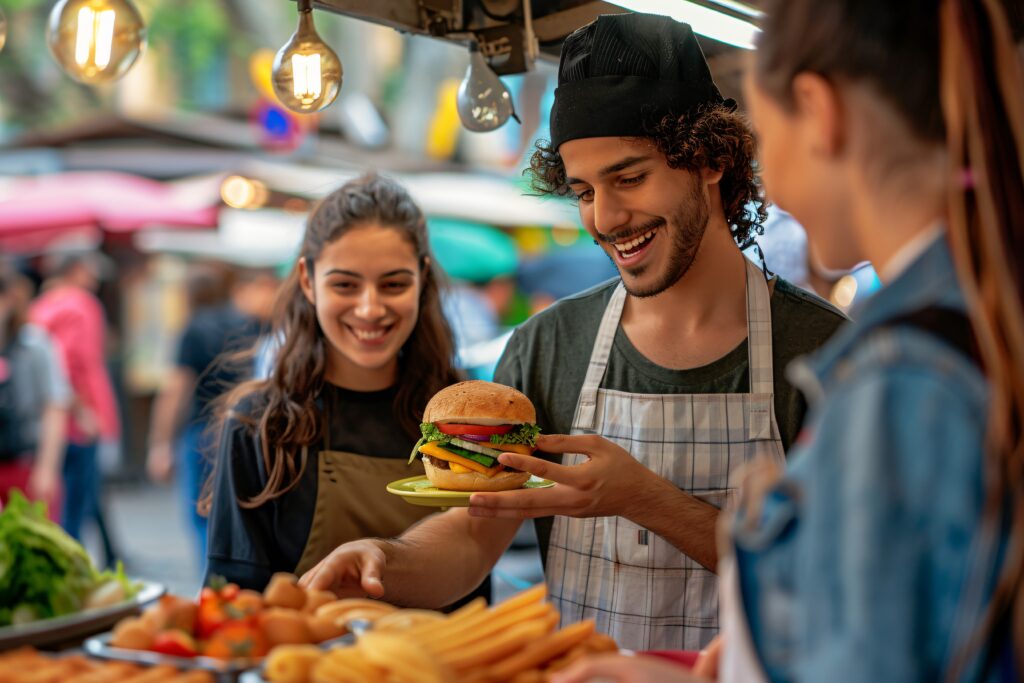
Hawker food provides some of the best meals in Singapore at low prices. It allows people to enjoy authentic local dishes without spending much.
This affordability makes hawker centres essential for daily living. It also attracts tourists who want to taste Singapore’s famous flavours on a budget. For more options, you can check out our list of budget-friendly Singapore food places
Hawker Centres Preserve Traditional Family Recipes
Many hawker stalls are run by families who have passed down recipes for generations. These dishes preserve cultural cooking techniques that might otherwise disappear.
By keeping these traditions alive, hawker centres act as living food museums. They ensure Singapore’s culinary heritage continues to be enjoyed by future generations.
Singapore is the First Country with UNESCO Recognized Street Food Culture
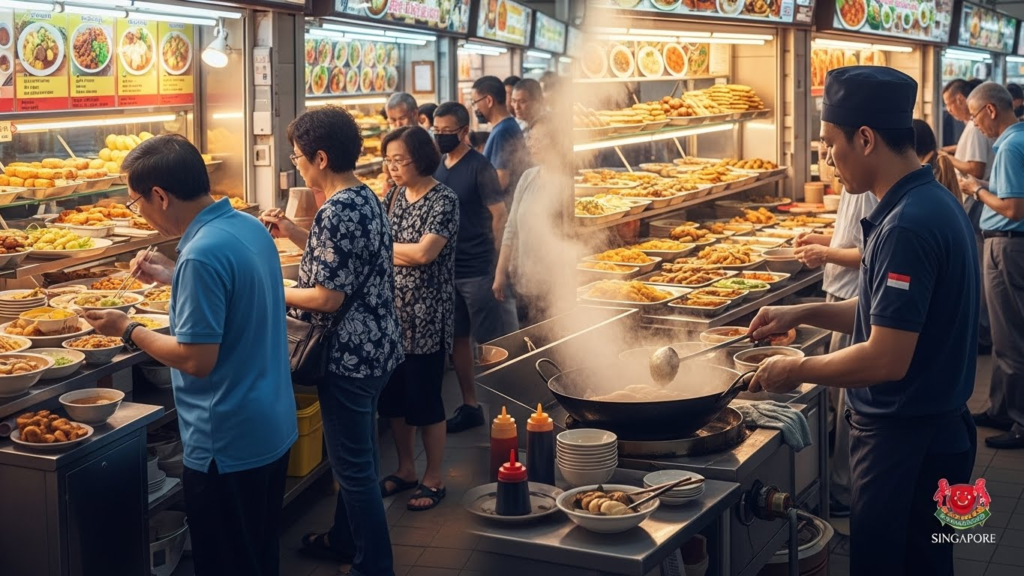
Singapore’s hawker culture was officially recognised by UNESCO in 2020. This honour acknowledges hawker centres as an important part of global cultural heritage.
It highlights how food plays a role in bringing communities together. This recognition also strengthens Singapore’s identity as a world-class food destination.
Hawker Centres Support Thousands of Small Businesses
Each hawker centre houses dozens or even hundreds of small food vendors. These businesses provide livelihoods for many local families and entrepreneurs.
Because of this, hawker centres are a key part of Singapore’s economy. They support not only food culture but also employment and community development.
The Singapore Government Actively Protects Hawker Culture
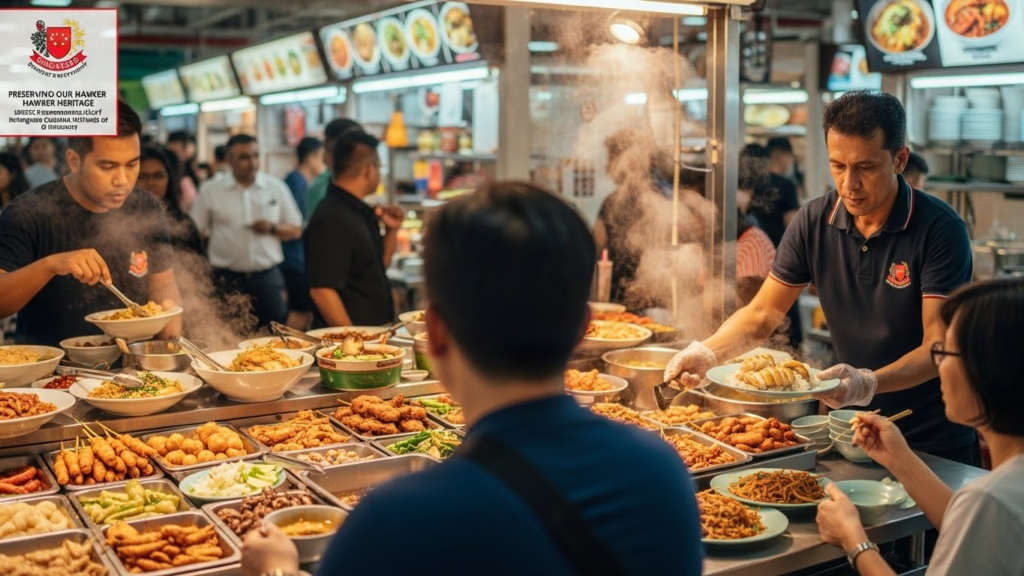
The government invests in maintaining hawker centres and regulating food quality. It provides grants, training, and subsidies to support hawkers.
These efforts ensure hawker food remains affordable and sustainable. This active protection keeps Singapore’s food heritage thriving in modern times.
Hawker Centres Are a Top Attraction for Tourists
Tourists visit hawker centres to experience authentic local flavours and culture. These food markets give visitors a real taste of Singapore’s everyday life.
Because they combine food, history, and community, hawker centres are considered must-visit destinations. They are one of the country’s most unique cultural highlights.
Famous Hawker Centres in Singapore
| Hawker Centre | Location | Known For |
|---|---|---|
| Maxwell Food Centre | Chinatown | Chicken rice & laksa |
| Lau Pa Sat | Downtown | Satay street & seafood |
| Old Airport Road | East Coast | Local noodles & desserts |
| Chinatown Complex | Chinatown | Largest hawker centre in Singapore |
| Tekka Centre | Little India | Indian & Malay cuisine |
The Global Importance of Singapore Hawker Centres
Singapore’s hawker centres have become global symbols of culinary excellence and cultural preservation. They show how food can unite communities, preserve traditions, and strengthen national pride. Their UNESCO recognition ensures they will continue to thrive and inspire other countries to protect their street food heritage as well.
Hawker centres also support Singapore’s tourism economy, attracting food lovers, cultural explorers, and culinary researchers. Their success proves that preserving heritage can also create economic opportunities.
How Singapore Protects Its Hawker Heritage Today
Singapore’s hawker culture is preserved through:
- Government subsidies and grants for vendors
- Hawker succession training for younger chefs
- Strict hygiene and food safety standards
- Digital payments and modern stall upgrades
- Public campaigns encouraging locals to support hawker centres
These steps ensure that hawker centres remain clean, sustainable, and culturally relevant. These initiatives align with Singapore’s broader efforts to preserve its food ecosystem, which you can explore further in our Singapore Food Culture Guide.
Conclusion
Singapore hawker centres represent the soul of Singapore’s culinary and social culture. They are living heritage spaces where people gather to enjoy diverse dishes, celebrate traditions, and strengthen community ties. UNESCO’s recognition confirms their importance on a global level, protecting them as part of humanity’s shared cultural history.
By supporting hawker centres, Singapore ensures that its street food culture continues to flourish for generations. Whether you are a local resident or a visiting tourist, experiencing hawker food is one of the most authentic ways to understand Singapore’s identity and heritage.
FAQs
1. What is UNESCO Hawker Culture Singapore?
It refers to Singapore’s hawker centres being recognized by UNESCO as part of the world’s intangible cultural heritage.
2. When did UNESCO recognize Singapore hawker centres?
They were officially recognized in December 2020.
3. Why are hawker centres important in Singapore?
They promote affordable dining, social unity, and preservation of Singapore’s multicultural food traditions.
4. Which are the most famous hawker centres in Singapore?
Maxwell Food Centre, Lau Pa Sat, Old Airport Road, Tekka Centre, and Chinatown Complex are the most popular.
5. Is hawker food hygienic and safe?
Yes, hawker centres are strictly regulated by Singapore’s National Environment Agency for hygiene and food safety.