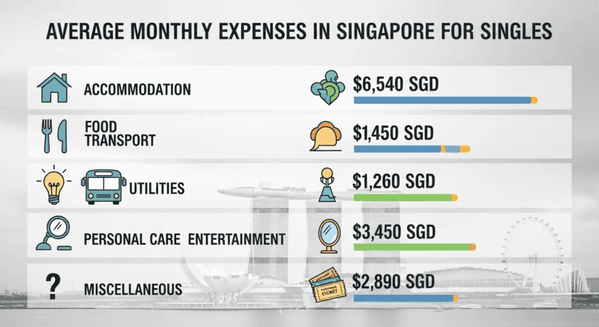
The average monthly expenses in Singapore for singles usually range between SGD 1,800 and SGD 3,500, depending on rent, lifestyle, and location. Rent is the biggest expense, often taking 40 to 60 percent of a single person’s budget. The remaining costs are spent on food, transport, utilities, and mobile data. Singles who live in HDB flats, use MRT and buses, eat at hawker centres, and choose SIM only mobile plans can keep their monthly living costs much lower than those who rent private apartments, use taxis, or eat out frequently.
For families or couples, monthly expenses Singapore typically range from SGD 3,500 to SGD 6,500+, depending on housing type, childcare, schooling, and lifestyle. A household renting a two bedroom HDB in the suburbs, cooking most meals, and using public transport can live comfortably on the lower end, while private condos, international schools, and frequent dining out push monthly costs much higher. This is why understanding rent, food, transport, and utility breakdowns is essential when budgeting.
Housing
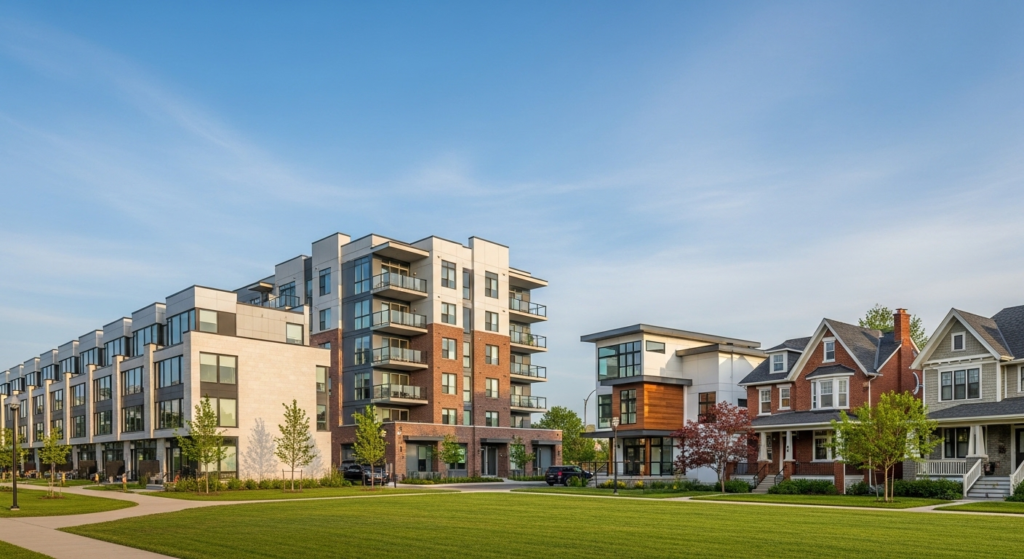
Housing invariably represents the largest chunk of any single person’s budget in Singapore, often consuming 30-50% of monthly income. The rental market offers diverse options, each catering to different preferences and financial capabilities.
HDB (Housing Development Board) flats are government subsidized public housing that make up approximately 80% of Singapore’s residential properties. For singles, renting a room in a shared HDB flat is the most economical option, with prices ranging from SGD 600-1,000 monthly depending on location, room size, and amenities. Entire 2-room or 3-room HDB flats, if you qualify or rent from the open market, cost between SGD 1,800-2,800 per month. Prime locations like Toa Payoh, Bishan, or near MRT stations command higher rates.
Condominium living offers additional facilities such as swimming pools, gyms, 24-hour security, and better furnishings. Studio apartments in suburban condominiums typically range from SGD 2,200-3,200 monthly, while those in prime districts like River Valley, Orchard, or Novena can cost SGD 3,500-5,000 or more. One-bedroom units in decent condominiums average SGD 2,800-4,200 depending on age, facilities, and proximity to the CBD.
Co-living spaces have emerged as innovative solutions for young professionals and digital nomads. Companies like Hmlet, Coliwoo, and lyf provide fully furnished rooms with shared common areas, cleaning services, and community events. Prices range from SGD 1,400-2,500 monthly and typically include utilities, internet, and sometimes even gym memberships, making them convenient turnkey options for newcomers.
Location significantly impacts rental costs. Central areas (Districts 9, 10, 11) and CBD-adjacent neighborhoods command premiums of 40-60% over suburban areas. However, Singapore’s excellent MRT network means that living in the North (Woodlands, Yishun), East (Bedok, Tampines), or West (Jurong, Clementi) doesn’t sacrifice accessibility while offering substantial savings.
Transportation
Singapore’s public transportation system is renowned globally for efficiency, cleanliness, and comprehensive coverage, making car ownership unnecessary for most singles.
The Mass Rapid Transit (MRT) system forms the backbone of public transport, covering virtually every corner of the island. Complemented by an extensive bus network, daily commuters typically spend SGD 100-150 monthly on transportation. The distance-based fare system means shorter journeys cost less, with typical trips ranging from SGD 1.20-2.50. Using contactless payment cards or the SimplyGo system provides automatic fare capping, ensuring you never overpay.
Ride-hailing services like Grab, Gojek, and Tada supplement public transport for convenience, late-night travel, or when carrying heavy items. Moderate users (3-5 rides weekly) add approximately SGD 100-200 to their monthly transportation budget. Strategic use during off-peak hours or utilizing shared rides significantly reduces costs.
Cycling and walking are increasingly popular, especially in well-planned neighborhoods with extensive park connector networks. Singapore’s government has invested heavily in cycling infrastructure, making bikes a viable zero-cost option for short commutes and weekend recreation.
Car ownership represents a luxury in Singapore due to the Certificate of Entitlement (COE) system designed to control vehicle population. The initial COE alone costs SGD 80,000-110,000 before purchasing the actual vehicle. Monthly expenses including car loan payments, insurance, road tax, parking fees, Electronic Road Pricing (ERP) charges, petrol, and maintenance easily exceed SGD 1,800-3,000, making it impractical for most singles.
Food and Dining

Singapore’s food scene is legendary, offering everything from SGD 3 hawker meals to Michelin-starred fine dining. Your monthly food expenses vary dramatically based on cooking habits and dining preferences.
Hawker centers represent Singapore’s culinary soul and UNESCO recognized cultural heritage. These open-air food courts serve affordable, delicious meals from SGD 3-6. Popular dishes include Hainanese chicken rice, char kway teow, laksa, nasi lemak, and roti prata. Singles eating primarily at hawker centers and coffee shops spend approximately SGD 350-500 monthly roughly SGD 12-16 daily.
Food courts and casual dining at shopping malls or neighborhood eateries cost SGD 8-15 per meal. Chain restaurants like Toast Box, Old Chang Kee, or Subway offer familiar options at mid-range prices. Balancing hawker meals with occasional casual dining results in monthly food budgets of SGD 550-750.
Grocery shopping and home cooking can be cost-effective, though Singapore’s grocery prices are relatively high due to importing 90% of food supplies. Singles cooking most meals at home spend SGD 300-450 monthly shopping at FairPrice, Sheng Siong, or Giant supermarkets. Premium supermarkets like Cold Storage or Jason’s Deli cost 20-30% more. Wet markets offer fresh produce at better prices but require early morning visits.
Restaurant dining and social eating significantly increase food budgets. Mid-range restaurants charge SGD 20-40 per meal, while fine dining experiences cost SGD 80-200+ per person. Regular weekend brunches, café visits, and social dinners can push monthly food expenses to SGD 1,000-1,500 for social butterflies and food enthusiasts.
Beverages and alcohol add substantial costs. Local coffee shop kopi costs SGD 1.50-2.50, while Starbucks charges SGD 6-9. Alcoholic beverages face high taxation a pint of beer at bars costs SGD 12-18, and cocktails range from SGD 18-28.
Utilities and Communication
Singapore’s utility services are highly reliable, with consistent service and transparent pricing.
Electricity consumption depends heavily on air conditioning usage in Singapore’s tropical climate. Studio apartment dwellers using air conditioning moderately (evenings and weekends) spend SGD 80-130 monthly. Heavy users or those in larger units can see bills of SGD 150-250. Energy-efficient appliances and smart thermostat usage significantly reduce costs.
Water bills remain modest at SGD 25-45 monthly for singles with normal consumption patterns. Singapore’s NEWater recycling program and desalination plants ensure stable pricing despite limited natural water resources.
Internet and mobile connectivity offer excellent value. Fiber broadband plans with 1Gbps speeds cost SGD 39-59 monthly from providers like Singtel, StarHub, or M1. Mobile phone plans with generous data (20GB-100GB) range from SGD 25-50 monthly, with intense competition among providers ensuring good deals.
Gas for cooking (if applicable) costs under SGD 20 monthly for singles who cook regularly.
Many rental agreements include utilities or have separate billing arrangements. Always clarify these details before signing tenancy agreements to avoid surprises.
Healthcare and Insurance

Singapore’s healthcare system balances quality with accessibility through a mixed public-private model.
Public healthcare through polyclinics provides affordable primary care. Subsidized consultations for residents cost SGD 15-30, while non-residents pay SGD 35-50. Specialist consultations at public hospitals cost more but remain reasonable with government subsidies for citizens and permanent residents.
Private healthcare offers shorter waiting times and more personalized service at higher costs. General practitioner visits cost SGD 50-80, while specialist consultations range from SGD 100-200.
Health insurance is essential for managing unexpected medical expenses. Basic hospitalization and surgical insurance costs SGD 120-200 monthly for young, healthy singles. Comprehensive coverage including outpatient care, dental, and lower deductibles ranges from SGD 250-450 monthly.
MediSave and CPF provide mandatory healthcare savings for Singaporean citizens and permanent residents. Foreign workers must arrange private insurance through employers or personal policies.
Dental care typically requires separate coverage or out-of-pocket payment. Routine cleanings cost SGD 80-150, while more extensive procedures can be expensive without insurance.
Mental health services are increasingly accessible, with private counseling sessions costing SGD 150-300 per hour. Some subsidized options exist through public hospitals and community centers.
Lifestyle, Entertainment, and Personal Development
Singapore offers endless entertainment possibilities across all budget ranges, allowing singles to customize spending based on interests.
Fitness and wellness options range from budget-friendly public facilities to premium boutique studios. ActiveSG gyms charge just SGD 2.50 per entry, providing excellent value for casual exercisers. Commercial gym chains like Fitness First, Anytime Fitness, or Virgin Active cost SGD 100-180 monthly. Boutique studios for yoga, CrossFit, spinning, or Pilates charge SGD 180-350 monthly for unlimited classes.
Entertainment encompasses movies (SGD 10-15 per ticket), concerts (SGD 80-300), theater performances, and cultural events. Monthly entertainment budgets typically range from SGD 150-400 depending on activity frequency and preferences.
Shopping for clothing, personal care, and household items varies tremendously by brand preferences and shopping habits. Budget-conscious singles spend SGD 100-200 monthly, while fashion enthusiasts may allocate SGD 400-700 or more.
Hobbies and social activities including drinks with friends, weekend outings, sports equipment, or hobby-related expenses add SGD 200-500 monthly for moderately social individuals.
Streaming and digital subscriptions for Netflix (SGD 13-20), Spotify (SGD 10), Disney+ (SGD 12), and other services collectively cost SGD 40-70 monthly, providing affordable home entertainment.
Personal development including online courses, professional certifications, books, or workshop attendance costs SGD 100-300 monthly for those investing in continuous learning.
Comprehensive Monthly Budget Breakdown
Here’s a detailed breakdown of average monthly expenses for singles across three distinct lifestyle tiers:
| Expense Category | Budget Lifestyle (SGD) | Moderate Lifestyle (SGD) | Comfortable Lifestyle (SGD) |
|---|---|---|---|
| Housing (Rent) | 700-1,000 | 2,000-2,800 | 3,200-4,500 |
| Transportation | 100-150 | 150-250 | 280-450 |
| Food & Dining | 400-550 | 650-900 | 1,000-1,600 |
| Utilities (Electricity, Water) | 100-150 | 130-200 | 160-280 |
| Internet & Mobile | 50-70 | 60-90 | 80-120 |
| Health Insurance | 120-180 | 180-280 | 280-450 |
| Entertainment & Social | 150-250 | 300-500 | 550-850 |
| Personal Care & Grooming | 60-100 | 120-200 | 220-400 |
| Fitness & Wellness | 20-50 | 100-180 | 200-350 |
| Shopping & Miscellaneous | 100-180 | 200-350 | 350-600 |
| Savings & Investments | 300-500 | 600-1,000 | 1,200-2,000 |
| TOTAL MONTHLY EXPENSES | 2,100-3,180 | 4,490-6,750 | 7,520-11,600 |
Budget Lifestyle involves shared HDB housing, primarily hawker food, extensive public transport use, minimal entertainment, and basic necessities. This lifestyle suits students, fresh graduates, or those aggressively saving.
Moderate Lifestyle includes decent HDB or basic condo living, balanced dining between hawkers and restaurants, occasional ride-hailing, regular entertainment, and comfortable amenities. This represents the average middle-income single professional.
Comfortable Lifestyle features nice condominium living in good locations, frequent dining out, diverse entertainment options, premium services, and significant savings. This suits established professionals and expatriates.
Income-to-Expense Ratio Analysis
Understanding how expenses align with income levels helps assess financial health and affordability:
| Monthly Income (SGD) | Housing Budget (30%) | Total Living Expenses | Recommended Savings (20-30%) | Lifestyle Sustainability |
|---|---|---|---|---|
| 2,500-3,500 | 750-1,050 | 2,100-2,800 | 500-1,050 | Budget lifestyle, shared housing, limited discretionary spending |
| 3,500-5,000 | 1,050-1,500 | 2,800-4,000 | 700-1,500 | Modest lifestyle, HDB or basic condo, moderate entertainment |
| 5,000-7,000 | 1,500-2,100 | 4,000-5,600 | 1,000-2,100 | Comfortable living, decent condo, active social life |
| 7,000-10,000 | 2,100-3,000 | 5,600-8,000 | 1,400-3,000 | Upper-middle lifestyle, nice condo, unrestricted choices |
| 10,000+ | 3,000-4,000 | 8,000-10,000+ | 2,000-5,000+ | Affluent lifestyle, prime locations, luxury options |
The 50-30-20 Rule provides a solid budgeting framework: 50% for necessities (housing, food, utilities, transport), 30% for discretionary spending (entertainment, dining out, shopping), and 20% for savings and investments. Adjusting these percentages based on personal goals and circumstances creates financial flexibility.
Annual and Irregular Expenses
Beyond monthly budgeting, singles should prepare for periodic expenses that occur annually or irregularly:
| Expense Category | Frequency | Estimated Cost (SGD) | Planning Strategy |
|---|---|---|---|
| Travel & Vacation | 1-3 times yearly | 1,500-6,000 per trip | Monthly savings of SGD 200-500 |
| Annual Health Checkup | Yearly | 250-600 | Often covered by insurance or employer |
| Insurance Premiums (Annual Payment) | Yearly | 1,200-3,600 | Budget monthly or pay annually for discount |
| Electronics & Gadgets | Every 2-3 years | 1,200-3,500 | Sinking fund of SGD 50-100 monthly |
| Home Furnishing & Appliances | As needed | 500-2,500 | Emergency fund allocation |
| Professional Certifications | Yearly | 400-2,000 | Career development budget |
| Clothing & Wardrobe Updates | Quarterly/Seasonally | 300-1,000 per season | Seasonal shopping budget |
| Gifts (Weddings, Birthdays) | Throughout year | 600-2,000 annually | Monthly allocation of SGD 50-150 |
| Eyecare (Glasses/Contact Lenses) | Every 1-2 years | 200-800 | Plan ahead for optical expenses |
| Emergency Home Repairs | Unpredictable | 300-1,500 | Emergency fund coverage |
Creating a separate sinking fund for these irregular expenses prevents budget disruptions when they arise. Allocating SGD 200-400 monthly to an “annual expenses fund” ensures readiness for these predictable yet non-monthly costs.
Strategic Money Saving Tips for Singapore Singles
Successfully managing expenses in Singapore requires strategic planning and smart lifestyle choices:
Housing Optimization:
- Consider heartland areas like Woodlands, Jurong, or Tampines where rent is 30-40% lower
- Live near MRT stations even in outer areas for excellent connectivity
- Negotiate rent directly with landlords to avoid agent fees
- Share larger apartments with compatible roommates to reduce per-person costs
- Sign longer leases (2 years) for better rental rates
Food Strategy:
- Embrace hawker culture—nutritious meals for under SGD 5
- Meal prep on weekends to avoid daily decision fatigue
- Shop at neighborhood wet markets for fresh produce at lower prices
- Use cashback credit cards for grocery purchases (1.5-6% savings)
- Take advantage of happy hour promotions for dining out
- Join loyalty programs at frequently visited establishments
Transportation Efficiency:
- Maximize public transport—Singapore’s system is world-class
- Walk or cycle for journeys under 2km
- Use Grab/Gojek strategically during promotions or split with friends
- Avoid peak hours when using ride-hailing to reduce surge pricing
- Consider monthly concession passes if traveling same routes daily
Entertainment and Lifestyle:
- Explore free attractions: Gardens by the Bay outdoor areas, East Coast Park, Botanic Gardens, museum free days
- Attend community events and festivals throughout the year
- Use public libraries for books, magazines, and digital resources
- Take advantage of fitness corners in parks instead of gym memberships
- Organize potluck gatherings instead of expensive restaurant meetups
Subscription Management:
- Audit subscriptions quarterly and eliminate unused services
- Share family plans for Netflix, Spotify, YouTube Premium with friends
- Use free trials strategically but remember to cancel
- Switch between streaming services rather than maintaining multiple simultaneously
Shopping Savvy:
- Shop during Great Singapore Sale (June-August) for major purchases
- Use price comparison apps before buying electronics or appliances
- Buy seasonal items off-season for significant discounts
- Explore Carousell or Facebook Marketplace for second-hand items
- Wait for Black Friday, 11.11, or 12.12 sales for online purchases
Building Financial Resilience
Beyond managing monthly expenses, financial resilience requires strategic planning:
Emergency Fund: Accumulate 6-12 months of living expenses (SGD 15,000-50,000 depending on lifestyle) in accessible savings accounts. Singapore’s high cost of living makes robust emergency funds essential.
Retirement Planning: For Citizens and PRs, CPF contributions provide a foundation, but supplementary retirement savings through SRS (Supplementary Retirement Scheme) offer tax benefits. Foreigners should establish separate retirement accounts, ideally contributing 15-20% of income.
Investment Strategy: Once emergency funds are established, consider investing in diversified portfolios through robo-advisors (Syfe, StashAway, Endowus) or index funds. Singapore’s financial infrastructure supports accessible investing for all income levels.
Insurance Coverage: Beyond health insurance, consider personal accident coverage (SGD 15-30 monthly), critical illness insurance (SGD 80-150 monthly), and term life insurance if you have dependents.
Conclusion
Living as a single person in Singapore presents both opportunities and challenges. Monthly expenses typically range from SGD 2,100 for ultra-budget living to SGD 11,600+ for comfortable, unrestricted lifestyles, with most singles spending SGD 4,000-7,000 monthly depending on housing choices and lifestyle preferences.
The key to financial success lies in strategic decision-making aligned with personal priorities. Housing represents 30-50% of expenses and deserves careful consideration location, housing type, and sharing arrangements dramatically impact overall financial health. Transportation remains affordable thanks to excellent public infrastructure, while food expenses can be managed effectively by embracing Singapore’s incredible hawker culture alongside occasional fine dining experiences.