

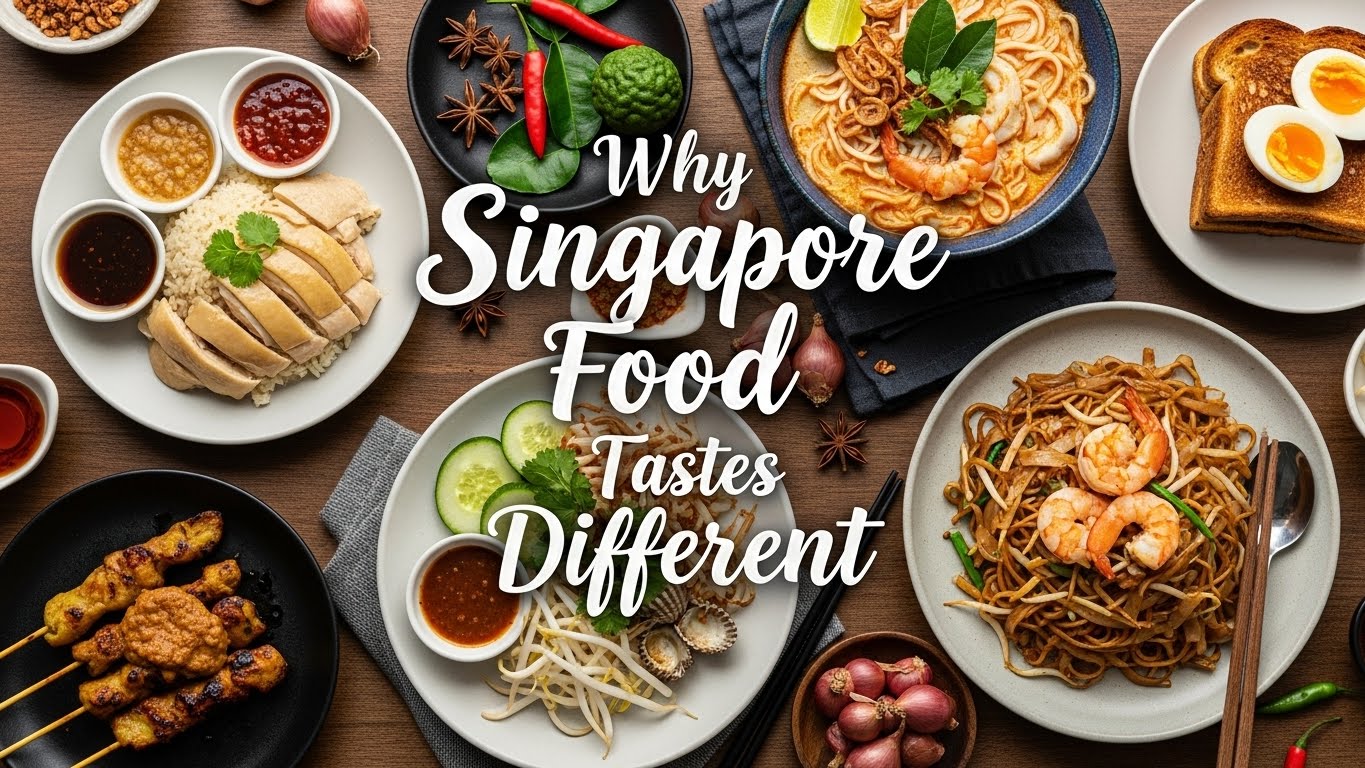
Singapore Food is recognised worldwide for its rich flavours, cultural depth, and unmatched variety. It reflects Singapore’s multicultural society, where Chinese, Malay, Indian, and Peranakan traditions come together to shape a unique food identity. From everyday meals like chicken rice, laksa, nasi lemak, and roti prata to iconic seafood dishes such as chilli crab, Singapore food is built on bold seasoning, balanced spices, and fresh ingredients. This mix of influences creates flavours that feel familiar yet distinctive, making Singapore food one of the most admired cuisines in Asia.
What truly defines Singapore food is its strong hawker culture, where affordable meals are prepared with precision and decades of experience. Recipes are refined over generations, ensuring consistent taste and quality across stalls and eateries. Alongside traditional hawker centres, modern restaurants continue to elevate classic dishes without losing their original character. Strict food standards, attention to detail, and respect for culinary heritage ensure that Singapore food delivers reliability, authenticity, and depth in every bite, turning everyday eating into a cultural experience.
A Country Built on Food and Migration
To understand Singapore’s food, you must first understand its people. Singapore is a small island nation, but its population is made up of diverse communities primarily Chinese, Malay, Indian, and Peranakan each bringing their own culinary traditions.
Unlike many countries where cuisines remain separate, Singapore’s food culture evolved through constant interaction. People lived close together, worked together, and ate together. Over time, recipes adapted, merged, and changed to suit local tastes, ingredients, and lifestyles.
This means Singapore food is not simply Chinese food, Malay food, or Indian food. It is a carefully blended cuisine, shaped by shared kitchens, shared markets, and shared eating habits.
The Multicultural Fusion That Defines Singapore Cuisine

One of the biggest reasons Singapore food tastes different is its fusion at the foundation level, not as a modern trend but as a lived reality. Travellers who want a curated introduction often explore the best Singapore food for tourists you can’t miss, which highlights how this fusion plays out across different dishes.
Chinese Influences
Chinese cooking contributes:
- Soy-based sauces
- Noodles and rice dishes
- Stir-frying and braising techniques
- Umami-rich flavour profiles
Malay Influences
Malay cuisine adds:
- Coconut milk
- Sambal and chilli pastes
- Lemongrass, turmeric, and galangal
- Slow-cooked gravies with aromatic depth
Indian Influences
Indian food influences include:
- Complex spice blends
- Curry bases
- Flatbreads and rice accompaniments
- Toasted spice aromas
Peranakan Influence
Peranakan cuisine bridges cultures by blending Chinese techniques with Malay ingredients, creating flavours that are:
- Slightly sweet
- Gently spicy
- Aromatic rather than aggressive
Because these influences coexist rather than compete, Singapore food rarely feels one dimensional.
Cultural Influences in Everyday Dishes
| Culture | Key Contributions to Taste |
|---|---|
| Chinese | Soy sauces, noodles, rice dishes, stir-frying, umami depth |
| Malay | Coconut milk, sambal, lemongrass, turmeric, aromatic gravies |
| Indian | Spices, curries, toasted masalas, slow-cooked flavours |
| Peranakan | Sweet-spicy balance, complex aromatics, fusion techniques |
Ingredients That Change Everything

Another reason Singapore food tastes different is ingredient selection. Even when recipes look similar to those in other countries, the ingredients are often not. Many budget-friendly meals rely on this freshness, which is why even guides to top budget-friendly Singapore food consistently mention flavour quality rather than price alone.
Tropical Freshness
Singapore uses ingredients that thrive in a tropical climate:
- Pandan leaves
- Kaffir lime leaves
- Fresh coconut milk
- Palm sugar
- Fresh chillies
These ingredients add natural fragrance and softness that dried or substituted versions cannot replicate.
Fermented Depth
Fermentation plays a key role in flavour:
- Shrimp paste
- Fermented bean sauces
- Fish sauces
These ingredients add layers of savoury depth that sit quietly in the background but define the final taste.
Freshness Over Storage
In many hawker kitchens, ingredients are bought daily. Sauces are prepared fresh, not stored for weeks. This freshness directly affects aroma, mouthfeel, and aftertaste.
The Heart of Singapore Food Identity

You cannot talk about Singapore food without talking about hawker centres. These are not casual food courts; they are the backbone of the country’s culinary identity.
Hawker stalls usually specialise in one or two dishes only. The same cook prepares the same recipe thousands of times over many years. This repetition leads to extreme consistency and precision.
Why Hawker Food Tastes Better
- High turnover keeps food fresh
- Recipes are refined daily
- Cooking is done at full heat
- There is no room for shortcuts
Many iconic stalls operate inside places featured in lists like top must-try hawker stalls and local eats in Singapore, where consistency and technique matter more than presentation.
High Heat Cooking and Wok Technique
Many Singapore dishes rely on intense heat. Stir-fries, noodle dishes, and even some rice dishes are cooked over open flames at temperatures difficult to replicate in home kitchens.
This creates:
- Smoky aromas
- Light charring
- A dry yet rich finish
This technique, often referred to as “wok hei,” adds flavour that cannot be achieved through slow or low-heat cooking.
Balance Is the Real Secret
Singapore food rarely focuses on a single dominant taste. Instead, it aims for balance.
A typical dish may include:
- Sweetness from palm sugar
- Saltiness from soy or fermented sauces
- Heat from chilli
- Sour notes from lime or tamarind
- Richness from coconut or oil
None of these elements overpower the others. The result is food that feels complete rather than heavy.
This balance is why Singapore food appeals to a wide range of palates, including people who do not normally enjoy very spicy or very rich food.
Strict Food Standards and Consistency
Singapore has some of the strictest food hygiene standards in Asia. Hawker stalls are graded, inspected, and regulated. Cleanliness, sourcing, and preparation all matter.
This ensures:
- Reliable quality
- Consistent taste
- Safer eating experiences
Because vendors cannot rely on shortcuts, flavour comes from proper technique rather than excessive oil or seasoning.
Why the Same Dish Tastes Different Outside Singapore
Many people notice that Singapore dishes taste different when cooked abroad. Even experienced chefs struggle to replicate the flavour exactly.
Common Reasons
- Ingredient substitutions
- Lower cooking heat
- Different oils and water
- Lack of hawker-style repetition
Outside Singapore, dishes are often adapted for convenience, cost, or local taste preferences. These small changes add up, altering the final result.
Singapore Food vs Other Asian Cuisines
| Cuisine | Key Taste Difference |
|---|---|
| Singapore | Balanced fusion with layered flavours |
| Malaysian | Spicier, heavier coconut use |
| Chinese | More regional, less fusion |
| Thai | Sharper sour-sweet contrast |
| Indonesian | Deeper spice but less balance |
Singapore stands out not because it is stronger, but because it is more controlled and integrated.
Climate and Eating Culture
Singapore’s hot, humid climate influences how food is prepared and consumed. Meals are designed to be:
- Comforting without being heavy
- Flavourful without being oily
- Satisfying without causing fatigue
This is why soups, rice dishes, and noodle-based meals dominate daily eating.
Food as a Social Experience
In Singapore, food is not just fuel. It is conversation, identity, and community. People discuss food openly, compare stalls, and debate flavours passionately.
This cultural importance pushes cooks to maintain high standards. Reputation matters. Taste matters. Small improvements are noticed and rewarded.
Can Singapore Food Be Replicated at Home

It is possible to get close, but difficult to match exactly.
To replicate Singapore flavours:
- Use fresh ingredients
- Avoid shortcuts
- Cook at high heat
- Focus on balance, not intensity
Most importantly, understand that Singapore food is not about adding more flavour it is about adding the right flavour in the right amount.
Conclusion
Singapore food tastes different because it is built on history, balance, and precision, not shortcuts. The mix of Chinese, Malay, Indian, Peranakan, and Western influences did not blend randomly it evolved through generations of hawkers refining recipes to suit a shared palate. From the careful layering of spices to the obsession with texture, heat, and aroma, every dish is designed to be complete on its own. Add to this Singapore’s strict food standards and fresh supply chains, and you get flavours that are consistently bold yet clean, rich yet controlled.
What truly sets Singapore food apart is its respect for craft. Whether it is a humble hawker stall or a Michelin-recognised eatery, the focus remains on technique, timing, and authenticity. Recipes are guarded, skills are passed down, and even the simplest meal carries intention. That is why Singapore food does not just taste good it tastes deliberate, memorable, and unmistakably its own.
FAQs
1.Why does Singapore food have such strong flavours?
Singapore food uses layered seasoning techniques developed across Chinese, Malay, Indian, and Peranakan cuisines. Ingredients like fermented sauces, spices, herbs, and aromatics are balanced carefully rather than used randomly, creating bold but controlled flavours.
2.Is Singapore food influenced by multiple cultures?
Yes. Singapore cuisine is shaped by Chinese, Malay, Indian, Eurasian, and Peranakan communities. Each culture contributed cooking methods, spice blends, and ingredients, resulting in unique dishes that cannot be traced to a single origin.
3.Why does hawker food in Singapore taste better than street food elsewhere?
Singapore hawkers often specialise in one or two dishes for decades, refining taste, texture, and consistency. Strict hygiene regulations and high ingredient standards also ensure better quality compared to many informal street-food setups.
4.Does food taste different in Singapore because of fresh ingredients?
Fresh seafood, high-quality imported produce, and daily market sourcing play a major role. Many dishes rely on freshness rather than heavy masking with oil or artificial flavouring.
5.Why is Singapore food balanced and not overly spicy?
Instead of extreme heat, Singapore dishes aim for balance combining sweet, savoury, spicy, sour, and umami flavours. This makes the food enjoyable for a wide range of palates.
6.Are Singapore recipes different from traditional Chinese or Indian food?
Yes. Many dishes are local adaptations. Ingredients, spice levels, and cooking methods were adjusted over time to suit local tastes, climate, and ingredient availability.
7.Does strict food regulation affect taste in Singapore?
Strict food safety laws improve consistency and cleanliness, which indirectly affects taste. Clean kitchens, proper storage, and controlled preparation help preserve natural flavours.
8.Why does even simple food in Singapore taste special?
Simple dishes are treated with care. Techniques like slow simmering, precise timing, and handmade components elevate everyday meals without making them complicated.
Is Singapore food more refined than other Asian cuisines?
Rather than being more refined, Singapore food is more intentional. Each element serves a purpose, resulting in dishes that feel complete, balanced, and thoughtfully prepared.
9.Why do visitors remember Singapore food long after leaving?
The combination of cultural depth, consistent quality, and flavour balance creates a strong sensory memory. Singapore food is not just eaten it is experienced.