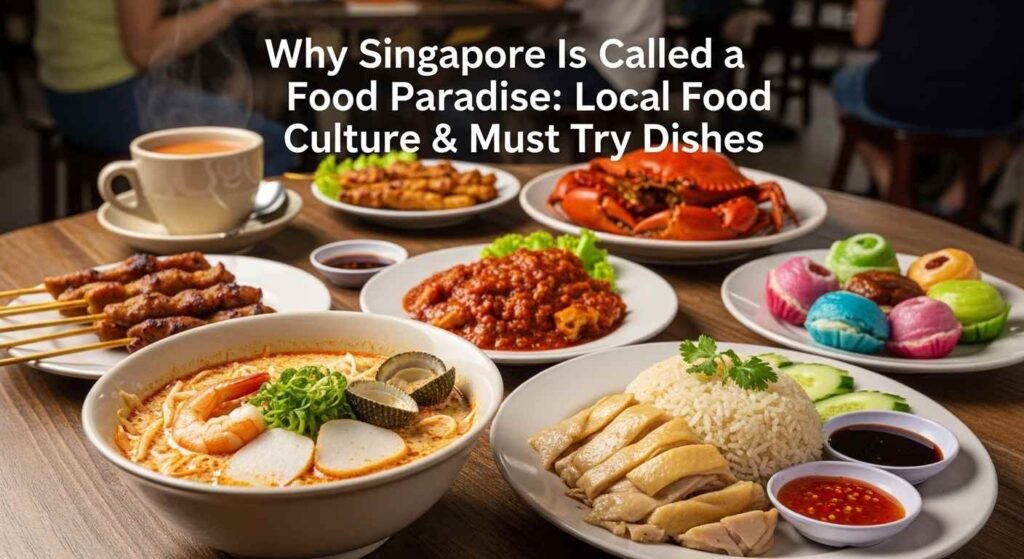
Singapore is called a food paradise because it is home to one of the most diverse, affordable, and celebrated culinary scenes on the planet. As a tiny island nation shaped by centuries of Chinese, Malay, Indian, and Peranakan immigration, Singapore has developed a food culture that is completely unique where a Michelin-starred meal can cost just a few dollars at an open-air hawker centre. From the smoky wok hei of Char Kway Teow to the creamy coconut broth of Laksa and the silky perfection of Hainanese Chicken Rice, every dish tells a story of cultural fusion, generational craftsmanship, and national pride. It is not just about the food it is about the way food connects communities, defines identity, and keeps history alive on every plate.
What truly sets Singapore apart from every other food destination in the world is the remarkable accessibility of world-class cuisine. In 2020, UNESCO officially recognised Singapore’s hawker culture as an Intangible Cultural Heritage of Humanity a milestone that cemented what locals have always known: eating here is a way of life, not just a meal. With over 110 licensed hawker centres scattered across the island, food is woven into the daily rhythm of Singaporeans in a way that few other cities can replicate. Whether you are a budget traveller grabbing a SGD $3 plate of chicken rice or a fine-dining enthusiast exploring Peranakan cuisine at Candlenut the world’s first Michelin starred Peranakan restaurant Singapore satisfies every palate, every budget, and every craving. This is exactly why Singapore is called a food paradise, and rightly so.
1. The Cultural Roots of Singapores Food Identity
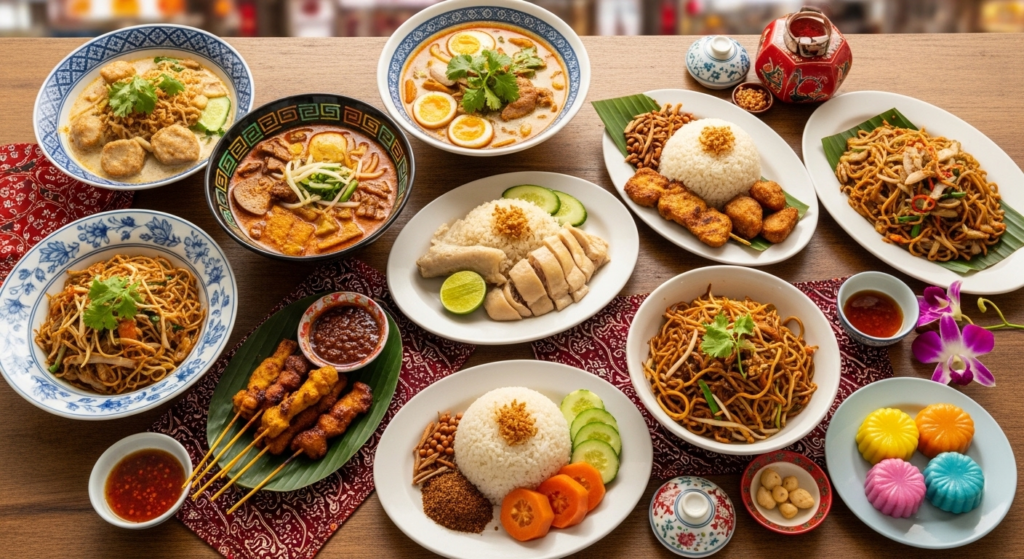
To truly understand why Singapore is called a food paradise, you must first understand its people. Singapore is a melting pot of ethnicities predominantly Chinese, Malay, Indian, and Eurasian and each community brought its own flavours, techniques, and culinary traditions when they arrived on the island centuries ago. Over time, these traditions did not stay separate. They collided, merged, and evolved into something entirely new: Singaporean cuisine.
This blending process gave birth to dishes that exist nowhere else on earth. Peranakan cuisine born from the intermarriage of Chinese settlers with local Malay communities introduced spice-rich curries, complex sambals, and slow-cooked stews that combine the best of both worlds. Indian migrants from Tamil Nadu brought roti prata, biryani, and spiced lentil curries, which then fused with local ingredients. The result is a cuisine that is simultaneously familiar and surprising, rooted in heritage yet always evolving.
Key Cultural Influences on Singapore Food:
- Chinese (Hokkien, Teochew, Cantonese, Hainanese) noodle dishes, rice-based meals, soups
- Malay sambal, coconut-based dishes, grilled meats, nasi lemak
- South Indian (Tamil) roti prata, fish head curry, biryani, dosas
- Peranakan (Straits Chinese) laksa, ayam buah keluak, kueh, nonya curries
- Eurasian devil’s curry, sugee cake, a unique colonial fusion tradition
2. The Hawker Centre: The Heart of Singapore Food Culture
No article about Singapore food culture is complete without a deep dive into the hawker centre the open-air food halls that are as central to Singaporean life as coffee shops are in Italy or night markets in Taiwan. Hawker centres are not just places to eat; they are living social institutions where politicians, executives, students, and labourers all sit at the same plastic tables, eating the same incredible food.
In 2020, Singapore’s hawker culture was inscribed on the UNESCO Representative List of the Intangible Cultural Heritage of Humanity. This global recognition highlighted what hawker centres truly represent: a democratic, inclusive food culture where high quality does not require high prices. Many stall owners have spent decades even their entire lives perfecting a single dish, and their dedication shows in every bite.
What Makes Hawker Centres Special:
- Prices are remarkably affordable most dishes cost between SGD $3 to $8
- Over 110 hawker centres operate across Singapore, open from early morning to late night
- Some stalls have received Michelin recognition while still charging hawker prices
- The ‘chope’ culture reserving seats with a packet of tissues is uniquely Singaporean
- Hawker centres are air-conditioned or open-air, family-friendly, and accessible to all
- Stalls are typically run by multi-generational families preserving recipes passed down over decades
If you are especially interested in seaside food spots, read this guide to East Coast Lagoon Food Village Singapore and this overview of East Coast Park in Singapore.
Below is a guide to Singapore’s most celebrated hawker centres and what makes each one worth visiting:
| Hawker Centre | Location | Famous For | Vibe |
|---|---|---|---|
| Maxwell Food Centre | Chinatown | Tian Tian Chicken Rice | Local & Touristy |
| Lau Pa Sat | CBD | Satay Street, Heritage stalls | Iconic & Atmospheric |
| Newton Food Centre | Newton | Seafood, Satay, Supper spot | Lively Night Crowd |
| Old Airport Road FC | Geylang | Old-school hawker classics | Authentic Local |
| Chinatown Complex | Chinatown | Michelin-approved stalls | Maze of flavours |
| East Coast Lagoon FV | East Coast Park | Seafood, Satay by the sea | Relaxed Beach Vibes |
3. Must Try Dishes: The Definitive Singapore Food List
Singapore’s food landscape is vast and endlessly rewarding, but certain dishes stand above the rest as absolute must-tries. These are the iconic plates that define the nation, spark passionate debates among locals, and leave visitors speechless. Each dish reflects a chapter of Singapore’s multicultural story. If you want even more ideas after this list, take a look at Singapore’s must try dishes for tourists, famous hawker dishes in Singapore, and top local food spots in Singapore.
Hainanese Chicken Rice
Widely regarded as Singapore’s unofficial national dish, Hainanese Chicken Rice is deceptively simple but mind-blowingly delicious. The dish features poached or roasted chicken served on fragrant rice that has been cooked in rich chicken broth with ginger and garlic. It comes accompanied by a fiery chilli sauce and dark soy sauce. Despite its humble origins brought by Hainanese immigrants from China’s Hainan island this dish has been elevated to near-mythical status. The stall at Maxwell Food Centre, Tian Tian, famously beat Gordon Ramsay in a cook-off and was visited by Bill Gates in 2025, bringing renewed global attention to this timeless classic.
Chilli Crab
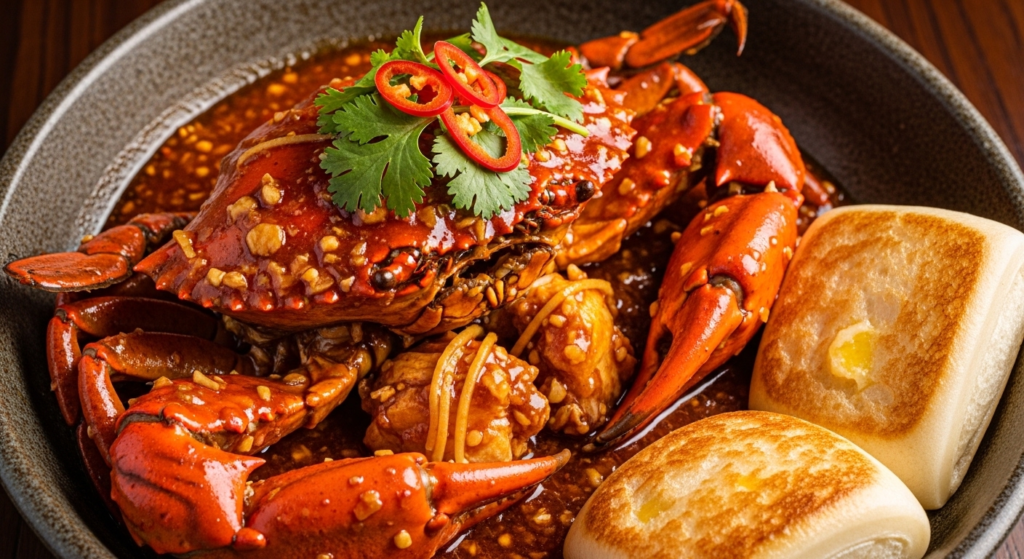
If Singapore had a culinary ambassador, it would undoubtedly be Chilli Crab. Whole mud crabs are stir-fried in a rich, tangy, slightly spicy tomato and chilli-based sauce, thickened with eggs and served with deep-fried or steamed mantou buns to soak up every last drop of sauce. It is messy, communal, joyful, and utterly unforgettable. JUMBO Seafood at Clarke Quay is widely considered the gold standard for this dish and is an essential Singapore dining experience.
Laksa
Laksa is the jewel of Peranakan cuisine a rich, spicy noodle soup built on a deeply fragrant coconut milk broth packed with prawns, tofu puffs, fishcakes, and cockles. Singapore’s version, known as Katong Laksa, is distinctive because the thick rice noodles are cut short so the dish can be eaten entirely with a spoon no chopsticks required. The broth is layered with rempah (spice paste), dried shrimp, and candlenut, creating a complex flavour profile that is smoky, creamy, spicy, and umami all at once. 328 Katong Laksa, endorsed by celebrity chef Gordon Ramsay, remains the benchmark.
Satay
Satay is the ultimate street food bite-sized skewers of marinated chicken, beef, or mutton grilled over charcoal and served with a rich peanut dipping sauce, cucumber, onions, and ketupat (compressed rice cakes). The smoky char from the charcoal grill is irreplaceable. Lau Pa Sat’s Satay Street, which comes alive at night with rows of satay stalls spilling onto the road, is one of the most atmospheric dining experiences in all of Singapore. Billionaire tech philanthropist Bill Gates was spotted enjoying satay here during his May 2025 visit to Singapore.
Other Essential Dishes Worth Knowing
- Bak Kut Teh Peppery pork rib soup, originally a labourer’s breakfast, now a beloved comfort food
- Char Kway Teow Stir fried flat rice noodles with wok hei (smoky breath of the wok), a true hawker classic
- Roti Prata Crispy, flaky South Indian flatbread served with fish or mutton curry for dipping
- Nasi Lemak Fragrant coconut rice with sambal, crispy anchovies, peanuts, and a fried egg
- Kaya Toast A classic Singaporean breakfast of toasted bread spread with coconut jam and cold butter
- Ice Kachang A refreshing dessert of shaved ice drenched in colourful syrups, red beans, and jelly
- Hokkien Mee Yellow noodles and rice vermicelli stir-fried in a rich prawn and squid broth
Singapore Must Try Dishes at a Glance
Use this quick-reference table to plan your Singapore food adventure:
| Dish Name | Cultural Origin | Key Ingredients | Best Place to Try |
|---|---|---|---|
| Hainanese Chicken Rice | Chinese (Hainanese) | Poached chicken, fragrant rice, chilli sauce | Tian Tian, Maxwell Food Centre |
| Chilli Crab | Singaporean | Mud crab, tomato-chilli sauce, eggs | JUMBO Seafood, Clarke Quay |
| Laksa | Peranakan | Coconut milk broth, rice noodles, prawns | 328 Katong Laksa, Joo Chiat |
| Satay | Malay | Marinated skewered meat, peanut sauce | Lau Pa Sat Satay Street |
| Roti Prata | South Indian | Flaky flatbread, curry dipping sauce | Sin Ming Roti Prata, Bishan |
| Bak Kut Teh | Chinese (Teochew) | Pork ribs, white pepper, garlic, herbs | Ng Ah Sio Bak Kut Teh, Rangoon Rd |
| Char Kway Teow | Chinese (Hokkien) | Flat rice noodles, eggs, bean sprouts, wok hei | Hill Street Char Kway Teow, Bedok |
| Nasi Lemak | Malay | Coconut rice, sambal, anchovies, peanuts | Various hawker centres island-wide |
4. Peranakan Cuisine: Singapores Most Unique Culinary Heritage
Among all the food cultures that exist in Singapore, Peranakan cuisine holds a particularly special place. The Peranakans also known as Straits Chinese or Baba Nyonya are descendants of Chinese immigrants who settled in the Malay Archipelago and married local Malay women. Over generations, their food became a rich tapestry of Chinese techniques and Malay spices, slow cooking, and intensely fragrant rempah pastes.
Singapore is home to the world’s first Michelin-starred Peranakan restaurant, Candlenut at Dempsey Hill, helmed by Chef Malcolm Lee. At Candlenut, century old Nonya recipes are reimagined for the modern palate while retaining their soul. The food tells the story of Singapore’s history better than any museum exhibit every bite is a reminder of the cultural convergence that made this island what it is today.
Famous Peranakan Dishes to Try:
- Laksa Spicy coconut noodle soup (arguably the most famous Peranakan dish)
- Ayam Buah Keluak Chicken braised with the rare, earthy buah keluak nut
- Babi Pongteh Slow-braised pork in fermented soy bean paste
- Kueh Pai Tee Crispy pastry cups filled with spiced vegetables and shrimp
- Popiah Fresh spring rolls filled with braised turnip, egg, and vegetables
5. Michelin Stars at Hawker Prices
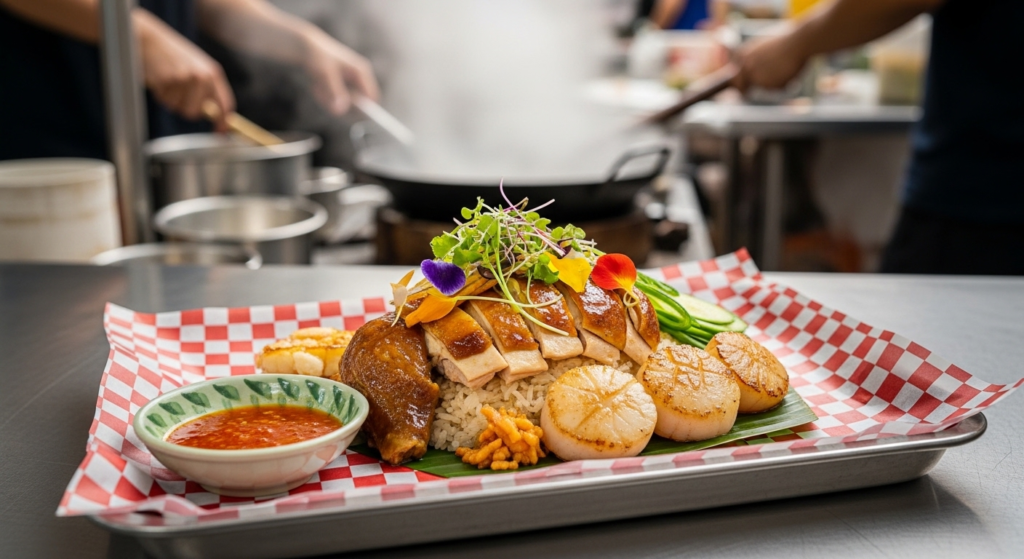
One of the most remarkable stories in global gastronomy belongs to Singapore. In 2016, two hawker stall operators Chan Hon Meng of Hong Kong Soya Sauce Chicken Rice and Noodle at the Chinatown Complex, and Hill Street Tai Hwa Pork Noodle received Michelin stars. This was a world first: hawker stall food earning the world’s most prestigious culinary recognition. You can support this section with a relevant internal link to hawker centres and UNESCO recognition in Singapore because it reinforces Singapore’s global food reputation.
The story of Hong Kong Soya Sauce Chicken Rice is particularly legendary. Chef Chan had been making the same dish perfectly glazed soya sauce chicken served on rice for decades, charging just a few Singapore dollars per plate. When Michelin awarded him a star, queues stretched around the block for hours. This single moment perfectly encapsulates why Singapore is called a food paradise: extraordinary quality democratised for everyone.
Michelin Recognised Hawker & Heritage Spots:
- Hong Kong Soya Sauce Chicken Rice Chinatown Complex (World’s cheapest Michelin meal)
- Hill Street Tai Hwa Pork Noodle Crawford Lane (Michelin-starred bak chor mee)
- Liao Fan Hawker Chan Multiple outlets after Michelin recognition
- Candlenut Worlds first Michelin-starred Peranakan restaurant, Dempsey Hill
- Hawker Chan’s fame triggered a wave of international attention on Singapore’s hawker culture
6. Singapore Food Festivals & Culinary Events
Singapore takes its food culture seriously at an institutional level. The Singapore Food Festival, typically held in July and September, is the city’s flagship culinary celebration a month-long series of events, pop-ups, chef collaborations, and food trails that showcase the best of Singaporean cuisine. The 2025 theme was ‘Singaporean Flavours Reimagined,’ reflecting the city’s desire to honour tradition while embracing innovation.
Events like Gastro Beats at Bayfront Event Space bring together over 40 street food vendors under the Marina Bay skyline, combining food with music and entertainment. These festivals are not just for tourists they are deeply loved by locals who use them to rediscover dishes from their own cultural heritage and try new fusions from rising chefs.
Key Food Events in Singapore:
- Singapore Food Festival Annual July-September event celebrating local food heritage
- Gastro Beats Urban food carnival at Bayfront with 40+ vendors and live music
- World Gourmet Summit Fine dining event bringing international chefs to Singapore
- Singapore Restaurant Festival Promotions and special menus across top restaurants
- Hawker Heritage trails Guided tours of historic hawker centres with cultural context
7. Singapore Food Culture Quick Facts & Statistics
Here is a summary of key facts that illustrate why Singapore is called a food paradise at a national level:
| Category | Key Facts |
|---|---|
| Culinary Influences | Chinese, Malay, Indian, Peranakan, Eurasian |
| Number of Hawker Centres | Over 110 licensed hawker centres across the island |
| Michelin Stars | Singapore has the most Michelin-starred hawker stalls in the world |
| UNESCO Recognition | Hawker culture added to UNESCO Intangible Cultural Heritage list (2020) |
| Food Market Size | Projected at US$12.66 billion by 2025 |
| Average Hawker Meal Cost | SGD $3–$8 per dish at most centres |
| National Dish | Hainanese Chicken Rice (widely recognised) |
8. Modern Food Trends in Singapore (2026)
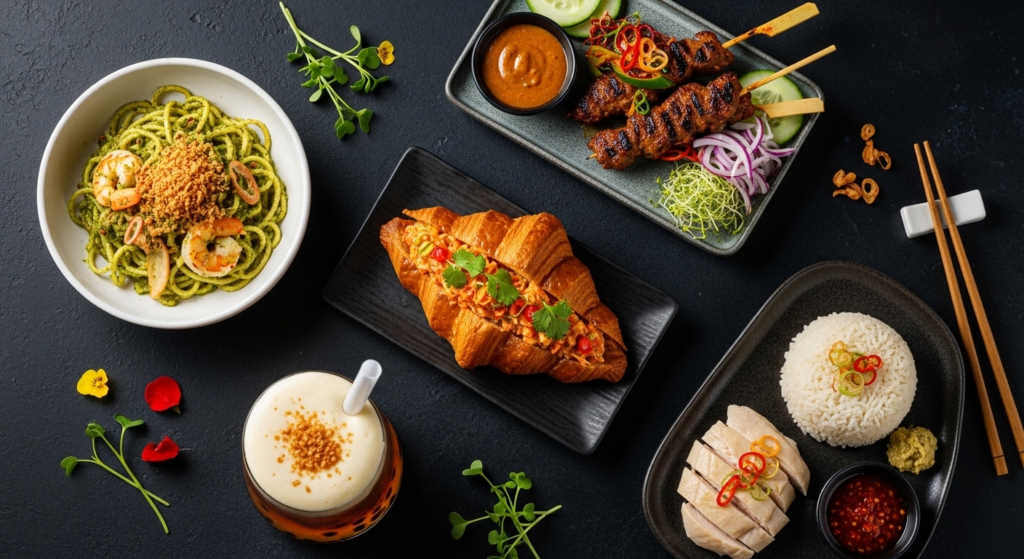
Singapore’s food scene never stands still. While hawker classics remain at the heart of the culture, 2025 has seen a wave of exciting new trends redefining what Singaporean food means. The city’s food market is projected to generate revenues of US$12.66 billion by 2025, growing at a steady 4.73% annually a testament to both local appetite and international interest.
Top Food Trends Shaping Singapore in 2026:
- Plant-Based Innovation Vegan chicken rice, jackfruit rendang, and Impossible satay skewers are now mainstream, driven by health and sustainability concerns
- Heritage Fusion Dining Chefs are blending classic Singaporean flavours with global techniques, creating dishes that are simultaneously nostalgic and avant-garde
- Fine Casual Dining Premium quality in relaxed, hawker-inspired settings is the new sweet spot for Singapore diners
- Social Media-Driven Food ‘Instagrammable’ dishes and TikTok food trends drive enormous footfall to new eateries
- Zero-Waste & Sustainable Dining Restaurants like Kausmo are pioneering zero waste fine dining, reflecting growing eco-consciousness among Singaporean diners
- AI & Tech in F&B Automated hawker stalls and smart ordering systems are slowly entering traditional hawker centres
9. Practical Tips for Food Tourism in Singapore
Planning to eat your way through Singapore? Here are the most important insider tips to make the most of your culinary journey in this food paradise:
Before You Eat:
- Always carry small change many hawker stalls still operate on a cash only basis
- Use the ‘chope’ method to reserve seats place a packet of tissues or an umbrella on the table
- Visit hawker centres during off-peak hours (10–11am or 2–4pm) to avoid long queues at popular stalls
- Download the Burpple or HungryGoWhere app to discover highly-rated hidden gems
- Book in advance for fine-dining Peranakan restaurants like Candlenut they fill up weeks ahead
While You Eat:
- Share dishes ordering multiple dishes to share at the table is standard practice in Singapore
- Do not be afraid of the heat Singapore food is best eaten at hawker centres for the authentic wok hei experience
- Try the teh tarik (pulled milk tea) or kopi (local coffee) to complete any hawker meal
- Always sample the chilli sauce every stall makes their own version and it is often what separates good from extraordinary
- Ask locals for recommendations Singaporeans are incredibly passionate and opinionated about food, and will steer you right
Final Thoughts
Singapore’s title as a food paradise is not marketing it is a deeply earned reputation built over generations of cultural blending, culinary craftsmanship, and an almost religious devotion to eating well. In a city where hawker stalls receive Michelin stars, where a $3 plate of chicken rice can reduce a grown adult to silence, and where food culture has been recognised by UNESCO as a global heritage, there is simply nowhere else quite like it.
Whether you are slurping a bowl of laksa at a plastic table in Katong, cracking chilli crab shells at Clarke Quay with the Singapore River glittering behind you, or sitting down to a 12-course Peranakan dinner at Candlenut food in Singapore is always an experience that goes far beyond eating. It is a connection to history, culture, community, and the beautiful chaos of a city that has always known how to bring people together through the universal language of an incredible meal.