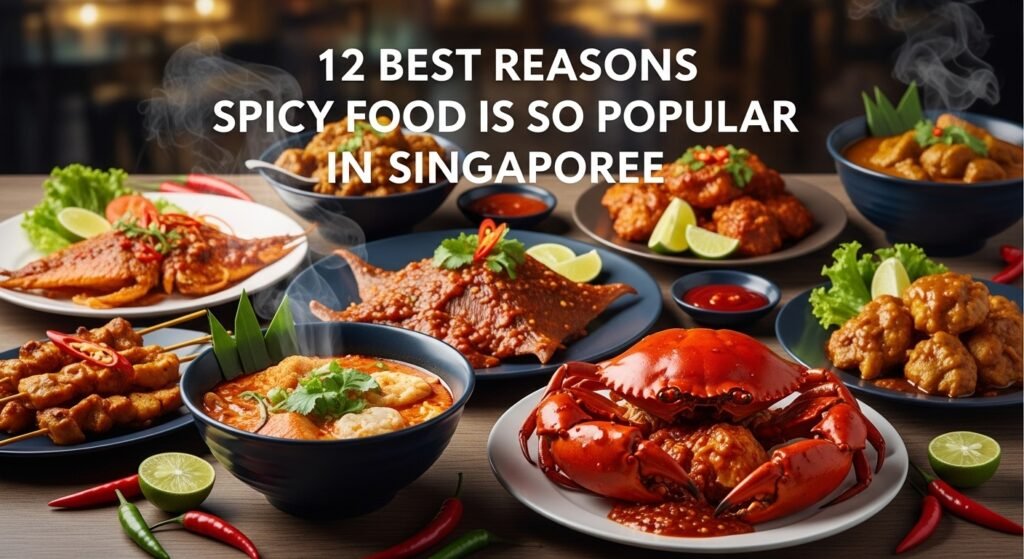
Spicy food refers to dishes that use ingredients like chilli peppers, pepper, spices, and heat producing compounds to enhance flavour and intensity. Across many cultures, spicy food is valued not just for heat, but for how it deepens taste, balances richness, and stimulates the senses. From Asian street food to global cuisines, spicy food has become a daily choice for millions because it adds excitement, aroma, and character to otherwise simple meals.
Beyond flavour, spicy food plays a cultural and environmental role. In warm climates, it helps regulate body temperature through sweating, while in traditional cooking it reflects heritage, local ingredients, and shared eating habits. Today, spicy food remains popular worldwide because it connects taste with tradition, creates memorable dining experiences, and offers customisable heat levels that suit both beginners and spice lovers.
Why Is Spicy Food So Common in Singapore
Singapore’s food culture is built on strong flavours. Spicy ingredients like chilli, sambal, curry paste, and pepper are used not to overpower dishes, but to balance richness, enhance aroma, and stimulate appetite. In a hot, humid country where meals are often eaten quickly and socially, spice plays a practical and cultural role.
Spicy food in Singapore reflects how people live, cook, and eat fast, flavourful, communal, and deeply rooted in Singapore’s food culture.
1. Singapore Tropical Climate Encourages Spicy Eating

Singapore’s year-round heat and humidity influence how people eat. In hot climates, spicy food helps trigger sweating, which naturally cools the body. This physiological response has been understood and embraced across tropical regions for centuries.
Rather than avoiding heat, Singaporeans lean into it. Spicy soups, curries, and sambal dishes may seem counterintuitive in warm weather, but they help regulate body temperature and keep meals satisfying without feeling heavy. This is one reason spicy dishes remain popular even during the hottest months.
2. Multicultural Food Heritage Normalised Spicy Flavours
Singapore’s population is shaped by Chinese, Malay, Indian, and Peranakan communities, each bringing their own spice traditions. Malay cuisine relies heavily on chilli, turmeric, and sambal. Indian food uses spices like chilli powder, cumin, and garam masala. Peranakan cooking blends Chinese techniques with Malay spice profiles.
Because these cuisines developed side by side, spicy food became normal rather than niche. Over time, Singaporeans of all backgrounds grew up eating spice regularly, making it a shared national taste rather than a cultural exception.
3. Hawker Food Culture Demands Bold Flavours
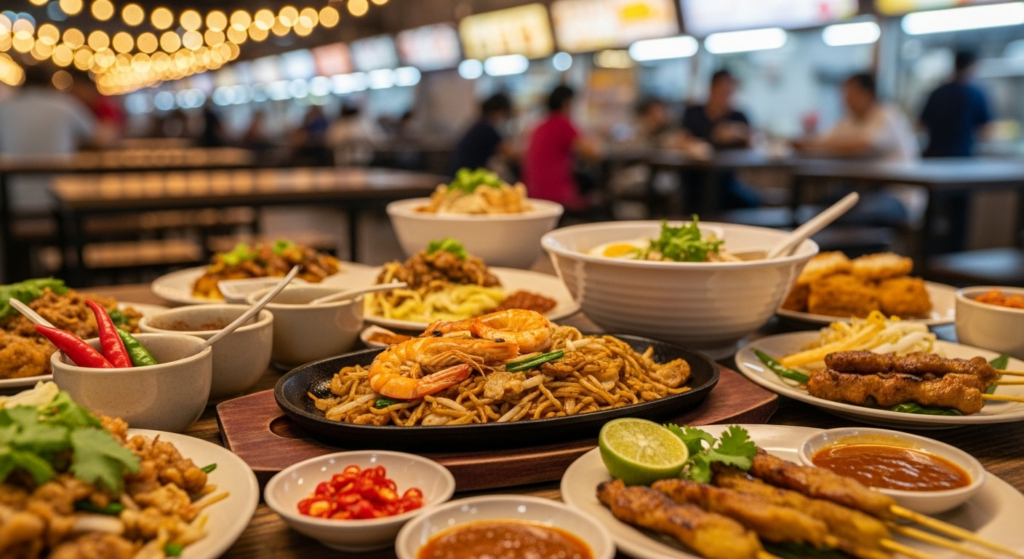
Hawker food is the backbone of Singapore’s daily dining. Hawker stalls focus on affordability, speed, and flavour. To stand out, dishes must deliver immediate impact and spice helps achieve that.
Many hawker dishes rely on chilli pastes, spicy sauces, or sambal to elevate simple ingredients. Whether it is laksa, nasi lemak, sambal stingray, or chilli crab, spice creates depth and memorability, making hawker food satisfying despite its simplicity.
4. Chilli Is a Daily Condiment, Not a Special Ingredient
In Singapore, chilli is not limited to spicy dishes it is added to almost everything. From chicken rice to fried noodles, chilli sauce is offered as a standard accompaniment. Many people customise their meals by adding their preferred level of heat.
This everyday habit is one reason many visitors feel that Singapore food tastes different compared to other countries.
5. Spice Enhances Flavour Without Adding Heaviness
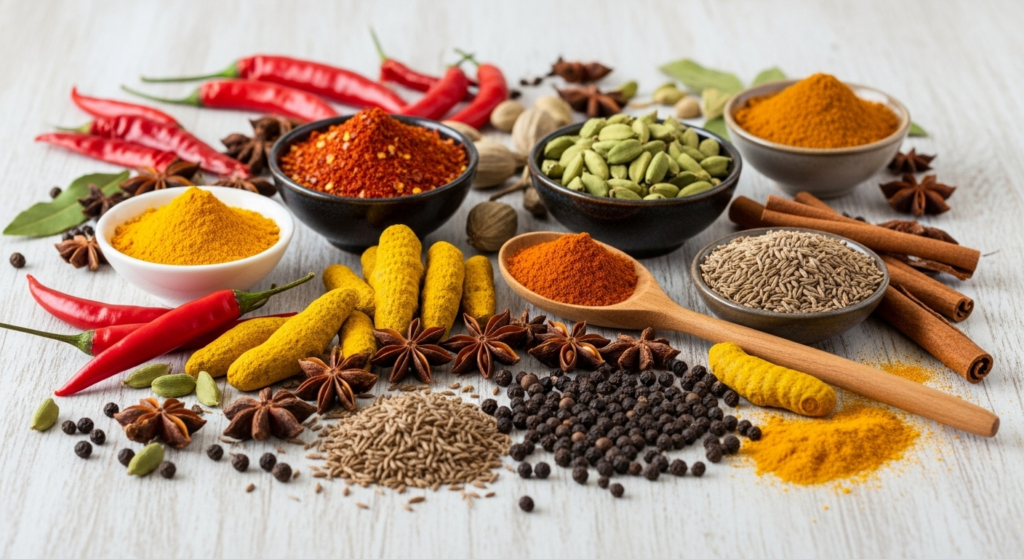
Spicy ingredients stimulate the senses and enhance aroma, making food taste richer without adding extra fat or sugar. In Singapore cuisine, spice balances savoury, sweet, sour, and salty elements.
Dishes like laksa or curry noodles rely on spice to prevent richness from becoming overwhelming. This balance keeps meals satisfying but not excessive, which is especially important in a culture where people eat out frequently.
6. Traditional Recipes Are Passed Down With Spice Intact
Many Singaporean dishes are family recipes passed down through generations. These recipes retain their original spice levels because they represent authenticity and heritage.
Grandparents teach parents, who teach children, reinforcing spice tolerance from a young age. Over time, this creates a population that naturally enjoys and expects spicy food, rather than needing to adjust to it later in life.
7. Street Food Cooking Methods Favour Spicy Profiles
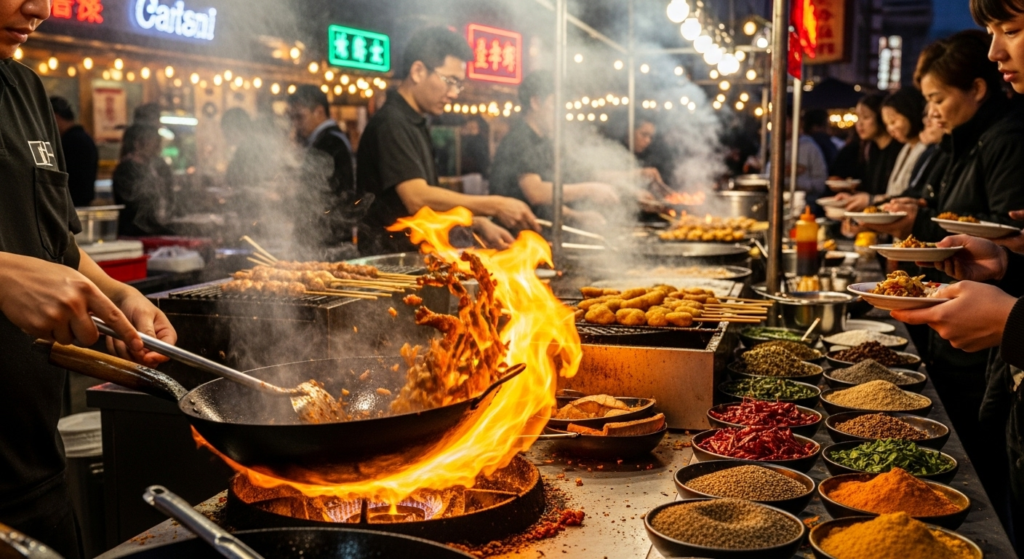
Street and hawker cooking prioritises high heat, fast cooking, and concentrated flavours. Techniques like stir-frying, grilling, and simmering benefit from spicy sauces that develop depth quickly.
Spice also helps mask minor ingredient variations, allowing hawker stalls to maintain consistent flavour despite changes in supply. This practical advantage further cements spice as a core element of Singapore’s street food culture.
8. Cultural Beliefs Link Spice to Health and Digestion
While not medical claims, many traditional beliefs associate spicy food with better digestion, circulation, and appetite stimulation. Ingredients like chilli, ginger, garlic, and turmeric are seen as warming and cleansing.
These beliefs persist across Malay, Indian, and Chinese traditions, making spicy food feel beneficial rather than indulgent. As a result, spice is welcomed rather than avoided in daily meals.
9. Customisable Spice Levels Make Heat Accessible to Everyone
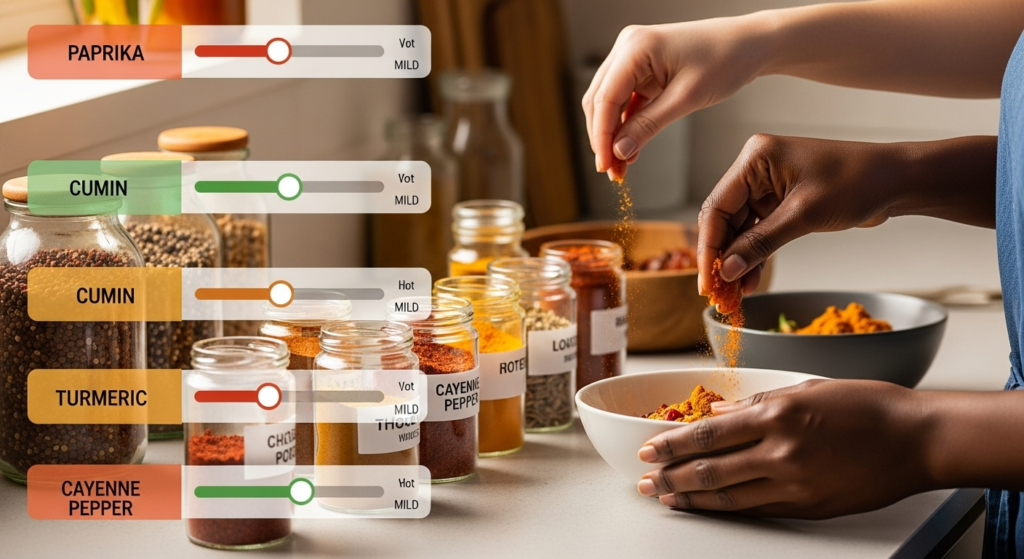
Singaporean food culture allows people to choose their spice tolerance. Many stalls ask customers how spicy they want their food, or provide chilli separately.
This flexibility means spicy food is inclusive rather than intimidating. Beginners can start mild, while spice lovers go all in. Over time, many people naturally increase their tolerance, reinforcing spice popularity across all age groups.
10. Spicy Food Strengthens Social Eating Culture
Singaporeans often eat together families, colleagues, and friends sharing meals. Spicy food becomes a shared experience, encouraging conversation, laughter, and bonding.
From debating which stall has the best sambal to daring each other to try extra spicy dishes, heat becomes part of social interaction. This communal enjoyment helps maintain spicy food’s popularity across generations.
11. Global Asian Influence Expanded Singapore’s Spice Palette
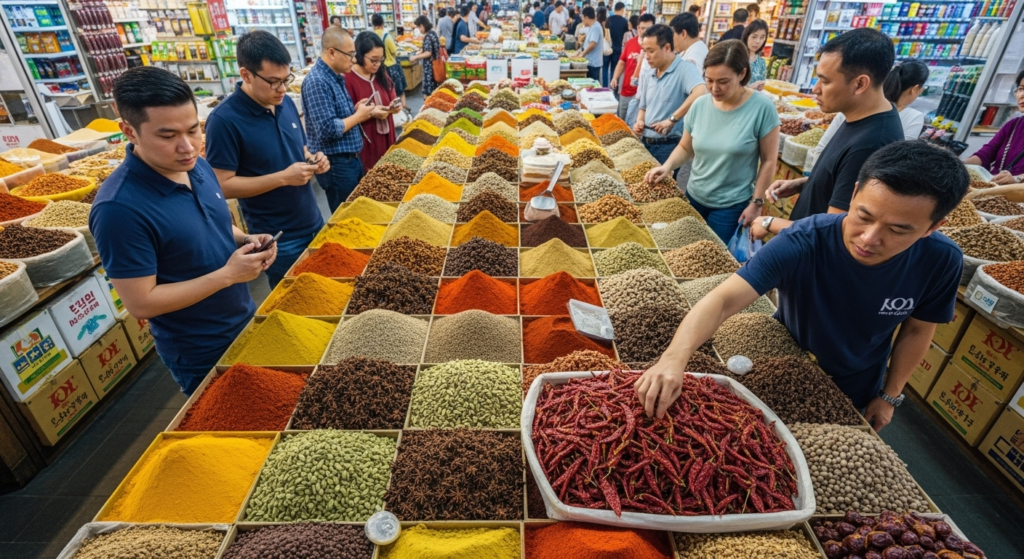
Singapore’s openness to global cuisine introduced new spice influences from Thailand, Indonesia, Korea, and beyond. Tom yum, Korean spicy noodles, and Indonesian sambal varieties expanded local spice expectations.
Instead of replacing traditional flavours, these influences enriched Singapore’s spice culture, offering more styles of heat and reinforcing spice as a defining characteristic of good food.
12. Spicy Food Creates a Psychological Reward
Spicy food triggers the release of endorphins, creating a mild sense of pleasure after eating. This natural response makes spicy food enjoyable and slightly addictive.
Many Singaporeans associate spicy meals with satisfaction and comfort, reinforcing repeat consumption. Over time, spice becomes emotionally linked to enjoyment, stress relief, and indulgence.
Popular Spicy Dishes in Singapore
| Dish | Cuisine | Spice Level |
|---|---|---|
| Laksa | Peranakan | High |
| Chilli Crab | Chinese | Medium to High |
| Sambal Stingray | Malay | High |
| Curry Chicken | Indian | Medium |
| Mala Xiang Guo | Chinese | Customisable |
Factors That Make Spicy Food Popular in Singapore
| Factor | Why It Matters |
|---|---|
| Climate | Encourages sweating and cooling |
| Culture | Normalises spice from childhood |
| Hawker Food | Demands bold, fast flavours |
| Social Eating | Turns spice into a shared experience |
Is All Singapore Food Spicy
Not all Singapore food is spicy, but spice is widely available and commonly added. Many dishes are naturally mild, such as chicken rice, fish soup, and steamed dim sum. However, chilli sauces and sambal are almost always served on the side, allowing people to adjust the heat level themselves. Visitors looking for affordable options will notice that both spicy and non spicy dishes are widely available in budget-friendly hawker food spots.
This flexibility is why spicy food feels so common in Singapore. Even mild dishes can become spicy instantly with the addition of chilli. As a result, spice becomes part of the overall eating experience rather than a fixed rule in every recipe.
Why Tourists Notice Singapore Love for Spice
Tourists quickly notice Singapore’s love for spicy food because chilli appears with almost every meal. Unlike some countries where spice is limited to specific dishes, Singapore offers chilli as a standard condiment, making heat highly visible in daily dining.
Another reason is confidence in local food culture. Singapore does not reduce spice levels for visitors; instead, it encourages people to experience food as locals do. This authenticity leaves a strong impression on tourists and often becomes one of their most memorable food experiences.
Conclusion
Spicy food is popular in Singapore because it fits the climate, reflects multicultural heritage, strengthens hawker food culture, and enhances social dining. It is practical, cultural, emotional, and deeply familiar.
Rather than being a trend, spicy food is part of how Singapore eats, lives, and connects. From everyday meals to celebratory feasts, spice remains a defining feature of Singapore’s rich and evolving food identity.
FAQs
1. Why is spicy food so popular in Singapore?
Spicy food is popular in Singapore because it suits the tropical climate, reflects multicultural heritage, and enhances the bold flavours of hawker cuisine.
2. Is all Singapore food spicy?
No, not all Singapore food is spicy. Many dishes are mild, but chilli and spice are usually offered as optional condiments for customisation.
3. Why do Singaporeans eat spicy food in hot weather?
Spicy food causes sweating, which helps cool the body naturally, making it suitable for Singapore’s hot and humid climate.
4. What cuisines influence spicy food in Singapore?
Malay, Indian, Peranakan, Chinese, Thai, and Indonesian cuisines all influence Singapore’s love for spicy food.
5. Is chilli an important part of Singapore food culture?
Yes, chilli is a daily condiment in Singapore and is commonly served alongside rice, noodles, and hawker dishes.
6. What are the most popular spicy dishes in Singapore?
Popular spicy dishes include laksa, chilli crab, sambal stingray, curry chicken, and mala xiang guo.
7. Do hawker centres contribute to spicy food popularity?
Yes, hawker centres rely on bold flavours to make simple, affordable dishes memorable, and spice plays a key role in this.
8. Can tourists handle spicy food in Singapore?
Yes, most stalls allow customers to choose their spice level, making Singapore food accessible to both locals and tourists.