








Hawker food tastes better than restaurant food because it is cooked fresh, served fast, and perfected over generations. Hawker stall owners often specialise in just one or two dishes, allowing them to master flavour balance, cooking temperature, and timing in a way most restaurants cannot. From smoky wok hei to slow simmered broths, hawker food delivers bold, authentic taste using traditional techniques that prioritise flavour over presentation. This focus on craftsmanship is why many locals believe hawker food offers a richer, more satisfying experience than restaurant meals.
Table Of Content
- What Is Hawker Food
- Hawker Food vs Restaurant Food
- 1. Generations Old Family Recipes
- 2. Cooked Fresh Right in Front of You
- 3. High Heat Cooking Enhances Flavour
- 4. Focus on Taste Not Presentation
- 5. Authentic Local Ingredients and Spices
- 6. Daily Repetition Perfects Every Dish
- 7. No Compromise for Mass Appeal
- 8. Cultural Identity in Every Bite
- 9. Price Does Not Dictate Quality
- Why Singapore Hawker Food Is World Famous
- Conclusion
- FAQs1. Why does hawker food taste better than restaurant food?
- 2. Is hawker food more authentic than restaurant food?
- 3. Do hawkers use fresher ingredients than restaurants?
- 4. Why does high heat make hawker food taste better?
- 5. Why is hawker food more flavourful despite being cheaper?
- 6. Do hawkers rely more on skill than recipes?
- 7. Why do restaurant dishes sometimes taste bland compared to hawker food?
- 8. Does faster cooking improve the taste of hawker food?
- 9. Is hawker food connected to local culture?
- 10. Why do people prefer hawker food over restaurant food?
Another reason hawker food tastes better than restaurant food is the emotional and cultural connection behind every dish. Recipes are often passed down through families, refined daily based on customer feedback, and cooked in open kitchens where freshness is non-negotiable. Unlike restaurants that rely on standardised menus and pre prepared ingredients, hawker food thrives on immediacy, heritage, and simplicity. This combination of authenticity, skill, and freshness is what makes hawker food consistently more flavourful and memorable than restaurant food.
What Is Hawker Food
Hawker food refers to affordable, freshly cooked meals sold at hawker centres or street food stalls. These stalls are usually run by individuals or families who specialise in specific dishes such as chicken rice, laksa, char kway teow, satay, or roti prata. If you’re new to the scene, you’ll enjoy this breakdown of Singapore’s most famous hawker dishes
In Singapore, hawker food is deeply rooted in culture and history. Hawker centres were created to preserve traditional street food while maintaining hygiene and accessibility. In 2020, Singapore’s hawker culture was officially recognised by UNESCO as Intangible Cultural Heritage, highlighting its global importance and authenticity.
Unlike restaurants with large menus and rotating chefs, hawker stalls thrive on specialisation, repetition, and mastery.
Hawker Food vs Restaurant Food
| Hawker Food | Restaurant Food |
|---|---|
| Cooked fresh for every order | Often pre prepared or batch cooked |
| Focus on taste and aroma | Focus on presentation and ambience |
| Family or heritage recipes | Standardised or commercial recipes |
| High-heat cooking methods | Controlled, mild cooking |
| Affordable and accessible | Expensive and exclusive |
1. Generations Old Family Recipes
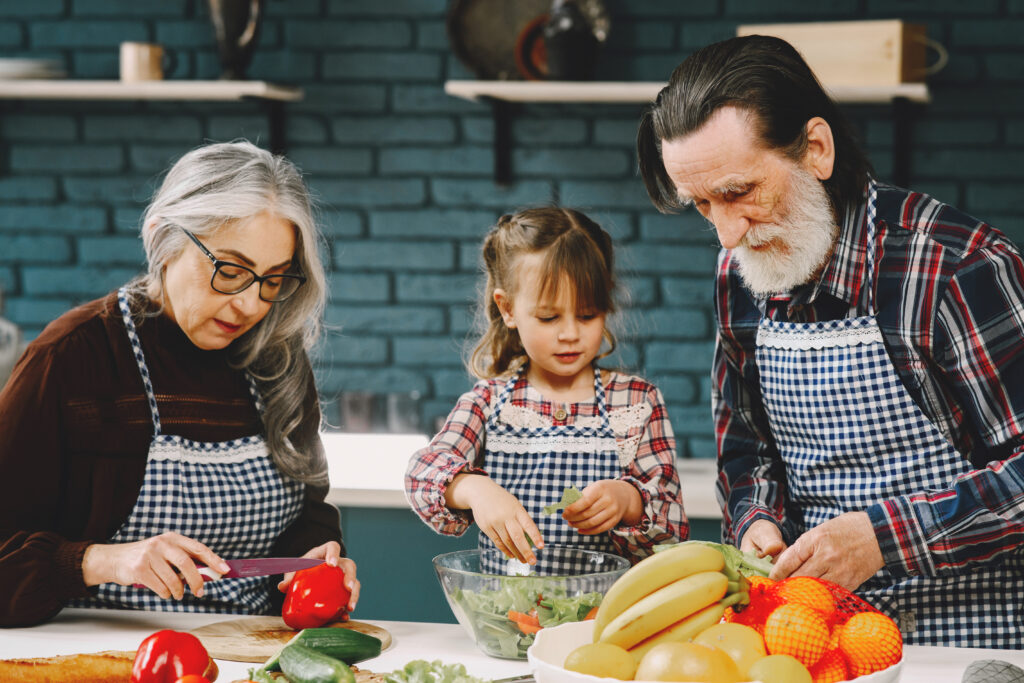
One of the strongest reasons hawker food tastes better than restaurant food is the use of generational recipes. Many hawker stalls have been operating for 30, 40, or even 70 years, using the same techniques passed down through families.
These recipes are not written for mass production or cost optimisation. Instead, they are refined through years of daily cooking, customer feedback, and cultural tradition. Each ingredient, spice ratio, and cooking time is adjusted through experience rather than experimentation.
Restaurants, especially chains, often change recipes based on trends, margins, or customer surveys. Hawker stalls rarely do this. They protect their flavour at all costs.
2. Cooked Fresh Right in Front of You
Hawker food is almost always cooked to order. You can see the chef slicing ingredients, boiling noodles, grilling meat, or stir-frying dishes the moment you place your order.
This freshness plays a huge role in taste. Freshly cooked food:
- Retains moisture
- Preserves natural oils
- Enhances aroma
- Delivers stronger flavours
Restaurants often rely on pre-cooked sauces, frozen ingredients, or batch-prepared components to save time. While this improves efficiency, it reduces flavour intensity.
Hawker food does not have this compromise.
3. High Heat Cooking Enhances Flavour
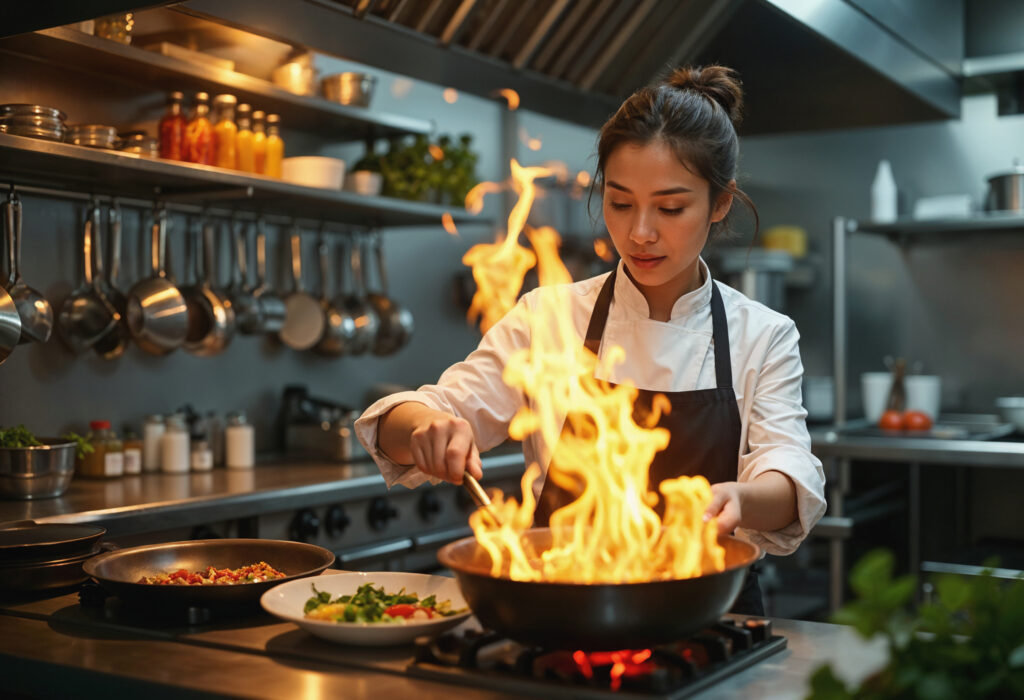
Many hawker dishes are cooked using very high heat, especially in woks. This technique creates what food experts call wok hei a smoky, slightly charred flavour that cannot be replicated with low or medium heat cooking.
High heat:
- Seals flavours quickly
- Creates caramelisation
- Enhances aroma
- Adds depth to simple ingredients
Restaurants, especially fine-dining kitchens, often avoid extreme heat to maintain consistency and safety standards. Hawker stalls embrace it, because flavour is the priority.
4. Focus on Taste Not Presentation
Restaurants invest heavily in plating, decor, lighting, and branding. While these elements improve visual appeal, they often shift focus away from taste.
Hawker food does the opposite.
At a hawker stall:
- Plates are simple
- Portions are generous
- Flavour comes first
A dish does not need microgreens, artistic plating, or imported tableware to taste good. Hawker food proves that great taste does not need decoration.
5. Authentic Local Ingredients and Spices
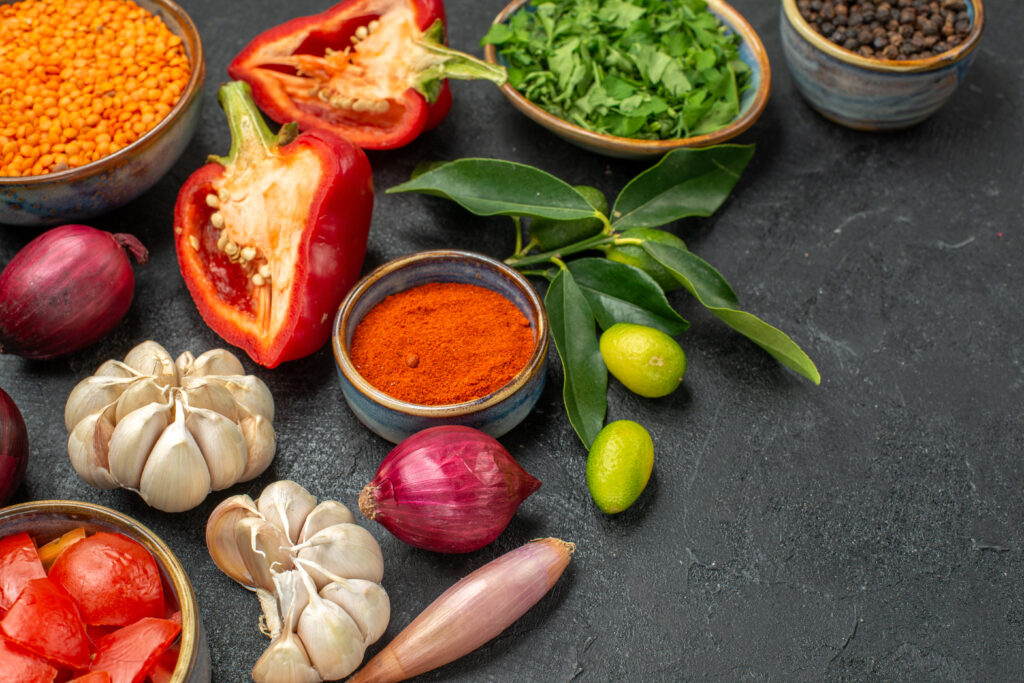
Hawker food uses ingredients that are deeply connected to local culture. From fermented sauces to regional spices, these ingredients are chosen for authenticity rather than global appeal. If you want a wider context of what makes local flavours so distinct, this Singapore food culture guide
For example:
- Laksa paste made fresh daily
- Soy sauce blended specifically for chicken rice
- Chilli pastes ground in-house
Restaurants often tone down spices to cater to a wider audience. Hawker stalls do not. They cook food the way it is meant to be eaten.
6. Daily Repetition Perfects Every Dish
Many hawker stalls sell only one or two dishes. This means the same meal is cooked hundreds of times every day.
This repetition leads to:
- Perfect timing
- Consistent seasoning
- Muscle memory cooking
- Near-flawless execution
A restaurant chef may cook dozens of different dishes during a shift. A hawker may cook the same dish 500 times. That level of repetition creates mastery that restaurants struggle to match.
7. No Compromise for Mass Appeal
Restaurants often adjust flavours to suit tourists, children, or international customers. This results in diluted seasoning and toned-down spice levels.
Hawker food does not chase mass appeal. It serves:
- Locals
- Regular customers
- Food lovers who appreciate authenticity
Because hawker stalls depend on repeat customers, they stay true to their original flavours. This honesty is reflected in taste.
8. Cultural Identity in Every Bite
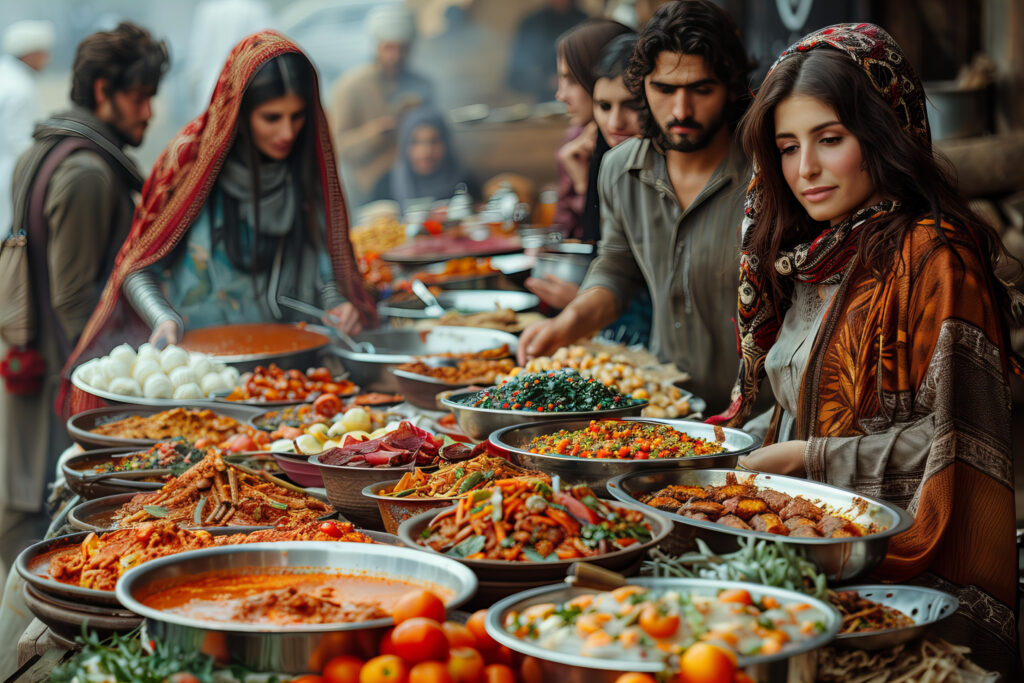
Hawker food is not just food; it is cultural expression. Every dish tells a story about migration, heritage, and community.
When you eat hawker food, you are tasting:
- History
- Family tradition
- Cultural pride
Restaurants may replicate flavours, but they cannot replicate this emotional connection. Taste is not only physical; it is psychological, and hawker food delivers both.
9. Price Does Not Dictate Quality
One of the biggest myths in food culture is that expensive food tastes better. Hawker food completely disproves this idea.
Affordable pricing does not mean lower quality. It means:
- No branding costs
- No luxury interiors
- No marketing budgets
All effort goes into the food itself. This is why a simple hawker dish often tastes better than a meal costing five times more at a restaurant. If you want examples that prove this point, here are the best hawker foods under $5 in Singapore
Why Singapore Hawker Food Is World Famous
Singapore hawker food is famous because it combines:
- Authentic flavours
- High hygiene standards
- Cultural diversity
- Affordable pricing
Visitors from around the world prefer hawker centres because they offer genuine local food without compromise. This reputation has made Singapore a global food destination.
Conclusion
Hawker food often tastes better than restaurant food because it is rooted in tradition, speed, and real world cooking experience. Hawkers cook the same dish hundreds of times a day, refining flavour through repetition and instinct rather than fixed recipes. The use of fresh ingredients, high heat, and time tested techniques creates bold, balanced flavours that are hard to replicate in commercial restaurant kitchens.
Beyond taste, hawker food carries cultural depth and authenticity. Each dish reflects heritage, community preferences, and generations of culinary knowledge. Unlike restaurants that focus on presentation and scalability, hawker stalls prioritise flavour above all else. This combination of skill, freshness, and emotional connection is why hawker food consistently feels more satisfying and memorable
FAQs
1. Why does hawker food taste better than restaurant food?
Hawker food tastes better because it is cooked fresh in small batches using high heat and time-tested techniques. Hawkers prepare the same dishes daily, allowing them to perfect flavour through experience rather than fixed recipes.
2. Is hawker food more authentic than restaurant food?
Yes, hawker food is usually more authentic as it follows traditional recipes passed down through generations. Restaurants often modify flavours to suit a broader audience or commercial trends.
3. Do hawkers use fresher ingredients than restaurants?
Many hawkers buy ingredients daily and cook them immediately, which helps preserve natural flavours. Restaurants may store ingredients longer due to menu size and operational scale.
4. Why does high heat make hawker food taste better?
High heat enhances flavour by creating caramelisation and smoky aromas, especially in dishes like fried noodles and grilled meats. This cooking style is common in hawker stalls but less so in restaurant kitchens.
5. Why is hawker food more flavourful despite being cheaper?
Hawker stalls have lower overhead costs, allowing them to focus spending on ingredients rather than décor, branding, or service staff. This results in better flavour at a lower price.
6. Do hawkers rely more on skill than recipes?
Yes, most hawkers cook by instinct, adjusting seasoning and timing based on experience. This hands-on approach leads to more balanced and consistent flavours.
7. Why do restaurant dishes sometimes taste bland compared to hawker food?
Restaurant dishes are often standardised to maintain consistency and appeal to wider tastes. This can reduce bold seasoning and depth of flavour.
8. Does faster cooking improve the taste of hawker food?
Faster cooking helps retain moisture, texture, and aroma. Hawker food is usually cooked and served immediately, preserving freshness and taste.
9. Is hawker food connected to local culture?
Yes, hawker food reflects local traditions, heritage, and community preferences. Each dish tells a cultural story that adds emotional value to the eating experience.
10. Why do people prefer hawker food over restaurant food?
People prefer hawker food because it offers stronger flavours, cultural authenticity, freshness, and affordability all in one experience that feels genuine and satisfying.

No Comment! Be the first one.