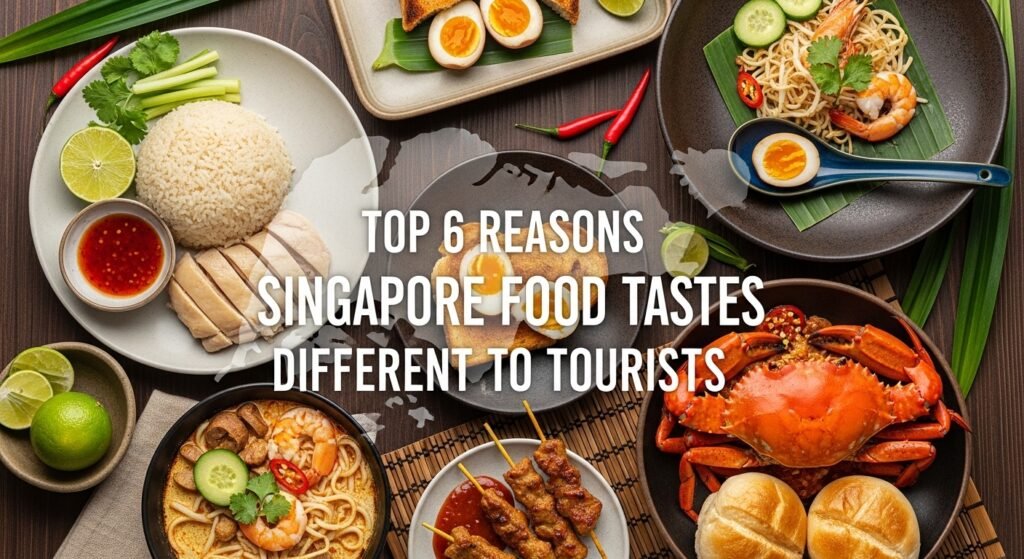
Singapore food is known for its bold flavours, cultural diversity, and everyday accessibility, making it one of the most unique food scenes in the world. From hawker centres to neighbourhood kopitiams, Singapore cuisine blends Chinese, Malay, Indian, and Peranakan influences into dishes that balance spice, sweetness, savoury depth, and aroma. This layered approach creates meals that are rich in flavour yet easy to enjoy, which is why Singapore food stands out to both locals and visitors.
What makes Singapore food special is how it is designed for daily eating in a tropical, multicultural city. Instead of focusing on extreme spice or heavy sauces, local dishes use fresh ingredients, controlled heat, and aromatic elements to create harmony on the palate. This careful balance allows Singapore cuisine to remain comforting, exciting, and globally appealing, helping it consistently rank among the world’s most loved food cultures.
Why Singapore Food Feels So Unique to Visitors
Taste is not only about the tongue. It is about environment, expectation, memory, and habit. Tourists bring their own food backgrounds when they arrive in Singapore. Many come from countries where food is eaten in controlled, air-conditioned spaces, often in large portions, and usually with one dominant flavour profile.
Singapore food, however, is designed for something else entirely: fast eating, shared tables, hot weather, small portions, and constant variety. This is also why Singapore food differs from what many travellers are used to.
This creates a style of cooking that feels different the moment a tourist takes the first bite.
Comparison Table Of Top 6 Reasons Singapore Food Tastes Different to Tourists
| Reason | How It Works in Singapore | What Tourists Are Used To | Why It Feels Different |
|---|---|---|---|
| 1. Tropical Climate Cooking | Food is lighter, brighter, and designed for hot weather using acidity, chilli, and herbs | Heavier sauces, cream, and rich gravies in cooler climates | Singapore food feels fresher and less tiring to eat |
| 2. Hawker Cooking Style | High-heat, fast cooking with smoky “wok hei” flavour | Slower restaurant cooking with lower heat | Food tastes more intense and aromatic |
| 3. Multi-Flavour Layering | Sweet, sour, spicy, savoury and aromatic flavours combined in one dish | One dominant flavour per dish | Singapore food tastes more complex |
| 4. Everyday Eating Culture | Designed to be eaten daily without fatigue | Food often designed for special meals | Singapore food feels more balanced and comfortable |
| 5. Controlled Use of Chilli | Chilli is served on the side and added by choice | Spice is mixed into the dish | Heat feels adjustable, not overpowering |
| 6. Cultural & Expectation Gap | Locals eat this food as normal daily meals | Tourists expect extreme spice or street-food heaviness | The surprise makes the food taste even better |
1. Singapores Tropical Climate Changes How Food Is Seasoned
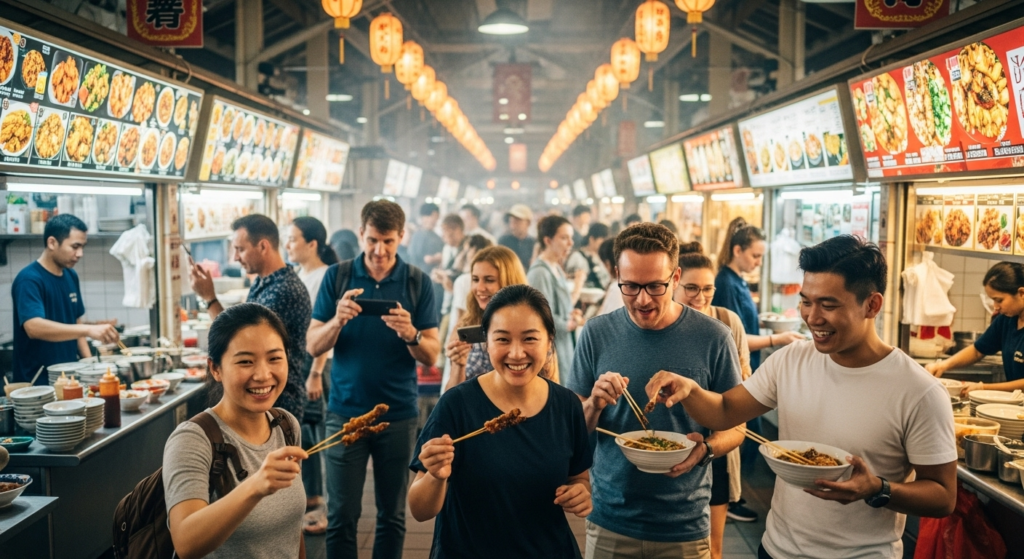
Singapore is hot, humid, and tropical all year round. This environment directly shapes how food is prepared and enjoyed.
In hot climates, heavy, rich, or greasy food becomes uncomfortable very quickly. That is why Singapore cuisine relies more on light sauces, acidity, aromatics, and controlled spice instead of thick, heavy gravies. This also ties into why spicy food remains popular without making meals feel heavy.
Local food is designed to:
- Stimulate appetite
- Cool the mouth
- Keep people eating comfortably
Chilli, lime, vinegar, ginger, and herbs are used to refresh the palate rather than overwhelm it.
Tourists coming from colder climates often find Singapore food sharper, brighter, and more aromatic because their taste buds are not used to food built for heat and humidity.
2. Hawker Cooking Creates Flavours Tourists Rarely Experience
Most tourists come from cultures where restaurants dominate food culture. Singapore is different. Here, hawker food is the backbone of daily eating.
Hawker cooking is:
- Fast
- High-heat
- Highly specialised
- Repeated thousands of times
This creates flavour profiles that are very hard to reproduce in normal restaurant kitchens.
Hawkers master:
- Wok hei
- Charred aromas
- Rapid flavour development
Tourists often say Singapore food tastes deeper or stronger because they are tasting food cooked at intense heat by people who make the same dish all day, every day.
How Hawker Cooking Affects Taste
| Cooking Factor | Hawker Stall Effect | Why Tourists Notice It |
|---|---|---|
| High flame | Creates smoky, charred aroma | Rare in home or Western kitchens |
| Fast cooking | Locks in flavour | Food tastes fresher |
| Repetition | Consistent seasoning | No random variation |
| Small batches | Food is always hot | More aroma released |
3. Singapore Cuisine Layers Flavours Instead of Choosing One
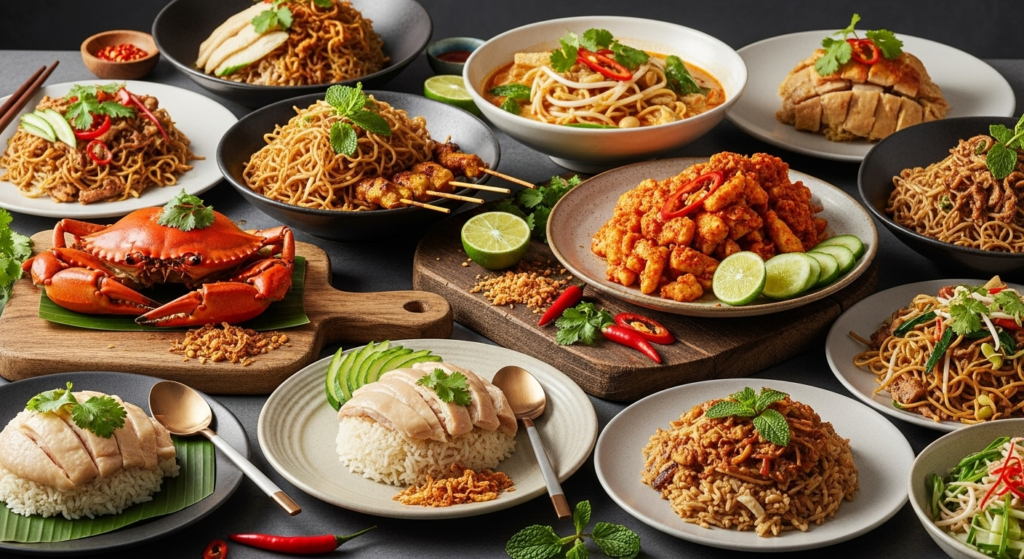
Many cuisines focus on one dominant flavour: sweet, salty, spicy, or savoury. Singapore food rarely does that.
Instead, it layers:
- Sweet
- Sour
- Spicy
- Savoury
- Aromatic
All in one dish.
This comes from its mixed heritage: Chinese, Malay, Indian, and Peranakan influences blending into one style.
For example:
- Chilli is balanced with sugar
- Sourness is softened with coconut
- Salt is rounded by umami
Tourists often struggle to describe Singapore food because it does not fit neatly into one taste category.
Singapores Multi Flavour Balance
| Taste Layer | Typical Ingredients | What It Does |
|---|---|---|
| Sweet | Palm sugar, caramelised onions | Softens spice |
| Sour | Tamarind, lime, vinegar | Brightens flavour |
| Spicy | Chilli, sambal | Adds warmth |
| Savoury | Soy sauce, fermented pastes | Adds depth |
| Aromatic | Ginger, garlic, lemongrass | Creates fragrance |
4. Locals Eat Singapore Food Daily, Not Occasionally
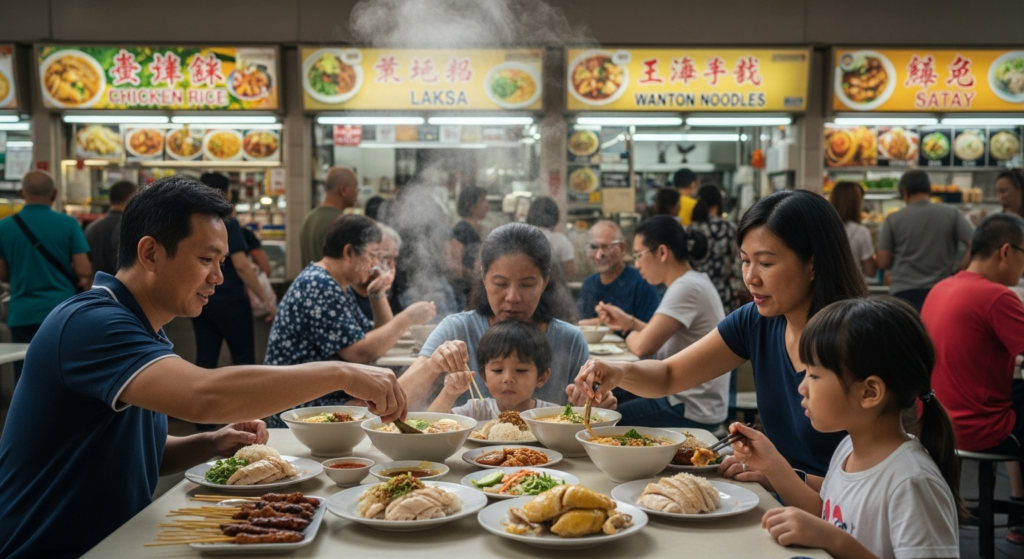
Singapore food is not designed for special occasions. It is everyday food.
Locals eat:
- Hawker food for breakfast
- Lunch at food courts
- Dinner at neighbourhood stalls
This shapes how flavours are developed.
Food must be:
- Easy to eat
- Not too heavy
- Not too spicy
- Not tiring
Tourists, however, are used to food being an experience. Singapore food is built for repetition, not for one dramatic meal. That makes it feel more balanced, lighter, and cleaner than what visitors expect.
5. Singapore Uses Chilli as a Tool, Not a Weapon
Many tourists expect Singapore food to be extremely spicy. Instead, they find that the heat is controlled and optional.
In Singapore:
- Sambal is served on the side
- Chilli sauce is adjustable
- Pickled chillies are optional
This allows each person to customise heat without changing the dish itself.
This makes food feel more refined and balanced to tourists, especially compared to cuisines where spice is baked into every bite.
6. Tourists Experience Singapore Food Through a Cultural Filter
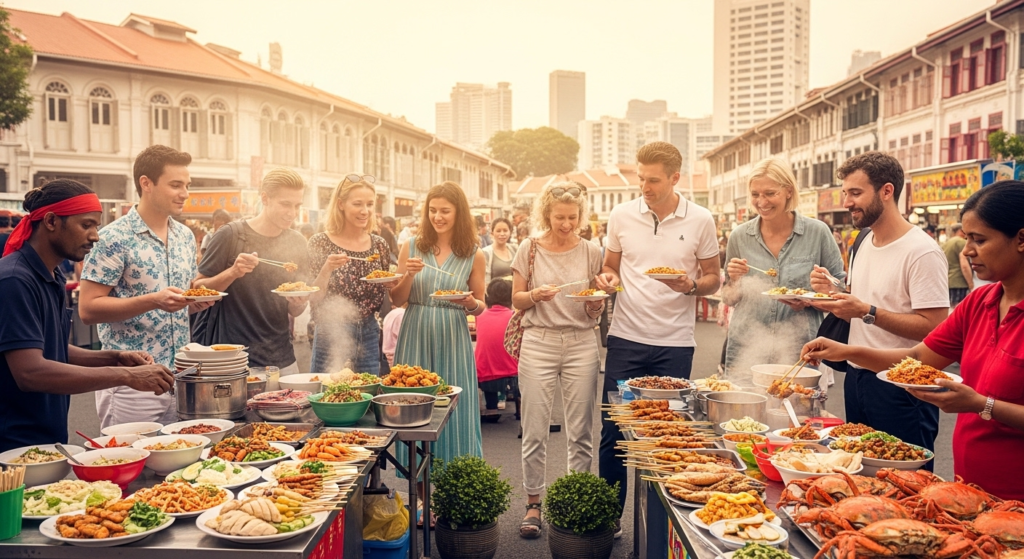
Finally, perception plays a huge role.
Tourists arrive in Singapore expecting:
- Asian food to be extremely spicy
- Street food to be greasy
- Hawker stalls to be basic
Instead, they find:
- Clean, organised hawker centres
- Balanced flavours
- Fresh ingredients
- Clear cooking methods
This is one reason the UNESCO recognition of hawker centres feels meaningful it reflects how structured and culturally important the system really is.
Singapore food tastes different to tourists not just because of ingredients, but because it breaks their expectations.
Why Tourists Often Love Singapore Food So Much
Singapore cuisine sits at a rare point between:
- Bold and balanced
- Complex and approachable
- Traditional and modern
It does not try to shock. It tries to satisfy.
That is why tourists often say Singapore food is:
- Easy to enjoy
- Hard to replicate
- Memorable
How Singapores Food Style Compares to Other Regions
| Region | Food Style | How It Feels Compared to Singapore |
|---|---|---|
| Thailand | Intense heat and sweetness | Singapore feels milder and more balanced |
| China | Focused regional flavours | Singapore is more layered |
| India | Strong spice profiles | Singapore is lighter |
| Western cuisine | Single flavour focus | Singapore is more complex |
Conclusion
Singapore food tastes different to tourists because it is built for a unique way of life. Tropical weather, hawker culture, multicultural influence, and daily eating habits all shape how food is seasoned, cooked, and served. Instead of focusing on extreme heat or heavy richness, Singapore cuisine focuses on balance, aroma, and repeat enjoyment.
For visitors, this creates a flavour experience that feels fresh, layered, and surprisingly refined. Singapore food does not try to impress with intensity. It wins by making every bite comfortable, interesting, and satisfying. That is what makes it feel so different and so unforgettable to tourists.
FAQs
1. Why does Singapore food taste so different to tourists?
Singapore food tastes different to tourists because it is shaped by a tropical climate, hawker cooking methods, and a mix of Chinese, Malay, Indian, and Peranakan influences. These factors create flavours that are more layered, balanced, and aromatic than what many visitors are used to.
2. Is Singapore food spicier than food in other countries?
Not necessarily. While Singapore uses chilli often, it is usually served on the side so diners can control the heat. This makes the food flavourful without being overwhelming.
3. Why do tourists find Singapore food more flavourful?
Tourists find Singapore food more flavourful because it combines sweet, sour, spicy, and savoury elements in one dish, creating depth that feels richer than single-flavour cuisines.
4. Does the hot weather affect how Singapore food is cooked?
Yes. Singapore’s hot and humid climate encourages lighter, brighter dishes that stimulate appetite without feeling heavy, which makes the food feel fresher to visitors.
5. Why does hawker food taste better than restaurant food to tourists?
Hawker food is cooked at very high heat by specialists who make the same dishes daily. This produces stronger aromas, better texture, and more consistent flavour.
6. Are Singapore dishes made differently for locals and tourists?
No. Tourists eat the same food locals do. The difference in taste comes from different food backgrounds and expectations, not different recipes.
7. Why does Singapore food feel less greasy than other street food?
Singapore street food focuses on balance and freshness, using less heavy oil and more aromatics, sauces, and acidity to create flavour without heaviness.
8. What makes Singapore cuisine unique compared to other Asian food?
Singapore cuisine blends multiple cultures into one style, creating dishes that are complex, balanced, and designed for everyday eating rather than extreme flavours.